

An Adventure Through Xi’an: Where Every Street Tells a Story
I’ll admit, before arriving in Xi’an, I thought I knew what to expect: Terracotta Warriors, maybe a stroll along the Muslim Quarter, and perhaps a bite of a roujiamo. But Xi’an isn’t just a checklist of “must-see” attractions—it’s an adventure that pulls you in, challenges you, and leaves you with stories you’ll actually want to tell. As a solo traveler who loves getting lost (figuratively and literally), here’s my take on exploring this ancient city like a local, with practical tips to help you do the same.
Day 1: Ditch the Taxi, Embrace the Subway (And Get Lost on the City Walls)
My adventure started the second I landed at Xi’an Xianyang International Airport. Forget overpriced taxis—the Airport Metro Line (Line 14) is your best friend. It’s clean, cheap (around ¥25 to the city center), and whisks you to Bell Tower Station in under an hour. Pro tip: Buy a “长安通” (Chang’an Pass) card at the airport; it works on subways, buses, and even some convenience stores, saving you from fumbling with coins every time.
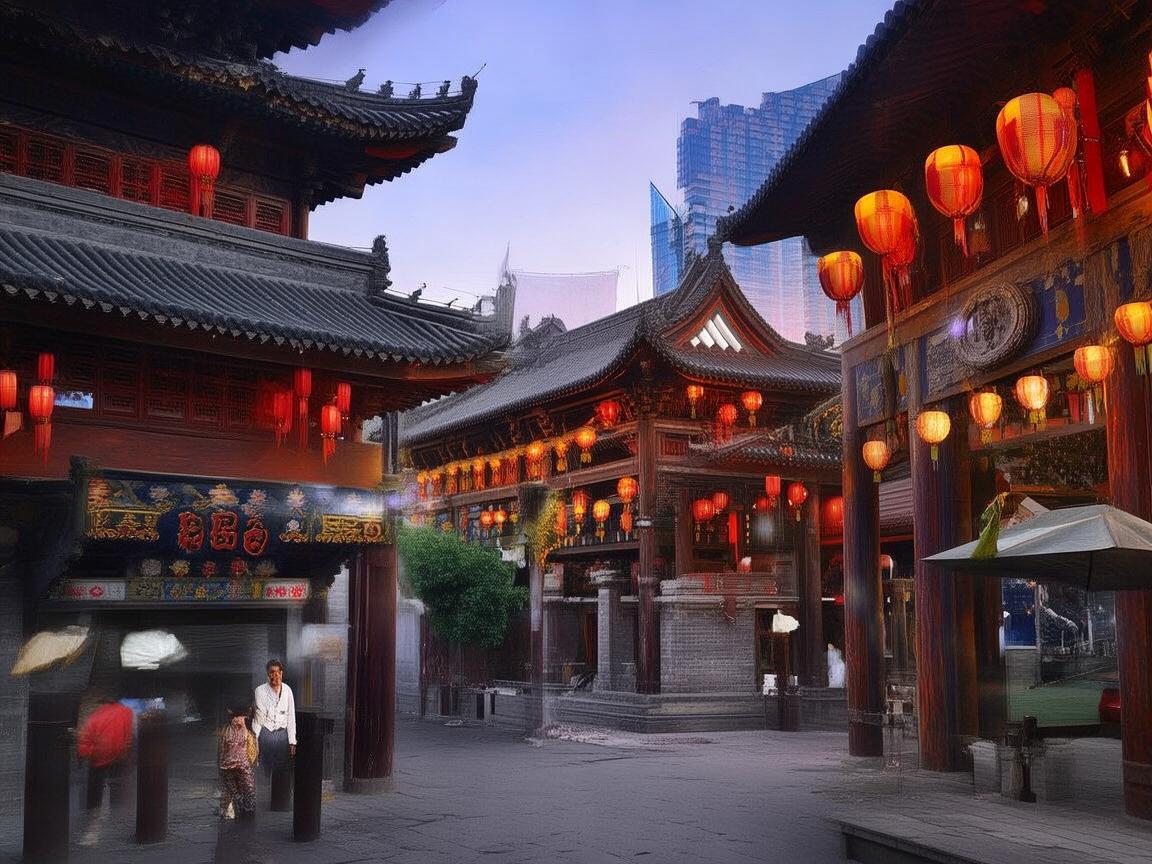
An Adventure Through Xi’an: Where Every Street Tells a Story
I stayed near the Muslim Quarter, which is perfect for first-timers—loud, lively, and steps away from the Bell Tower and Drum Tower. But here’s the real adventure: rent a bike and cycle the Xi’an City Wall at sunrise. I know, it sounds cliché, but trust me—doing it at 6 a.m. (when the gates open) is a game-changer. Most tourists roll in around 10 a.m., battling crowds and heat. At dawn, you’ll have the 14-kilometer loop almost to yourself, the mist clinging to the ancient bricks, and the first rays of sun warming your face.
Rentals are ¥45 for a regular bike or ¥80 for an electric one (totally worth it for those steep climbs!). I started at the South Gate (Yongning Men), cycled clockwise, and stopped halfway at the East Gate to watch an elderly couple practice tai chi in the park below. The best part? You can hop on and off as you please—climb the watchtowers, snap photos of the city’s mix of old and new, and even chat with local guards who might share a story or two (most speak basic English).
Practical Tip: Wear comfortable shoes—you’ll be pedaling for 2-3 hours. And bring water; there are snack vendors on the wall, but prices are higher than outside.
Day 2: Muslim Quarter Beyond the Main Street—Eat Like a Local
Everyone knows the Muslim Quarter’s main street—packed with stalls selling skewers, candied hawthorns, and souvenirs. But the real adventure? Turning off the main drag and into the alleys. I followed the smell of cumin and heard laughter spilling out of a tiny shop called “老米家大雨泡馍” (Lao Mi’s Big Rain Pao Mo). Inside, it’s chaos: locals yelling orders, steam rising from clay pots, and no English menu.
Pao mo is Xi’an’s signature dish—stewed bread in a lamb broth, where you tear the bread into small pieces (they give you gloves!) and let it soak. I pointed to what the next table was having, and within minutes, a steaming bowl arrived. It’s messy, delicious, and costs around ¥30. For dessert, grab a “镜糕” (jinggao)—a sweet rice cake steamed in a small mold, topped with hawthorn, sesame, or osmanthus. You’ll find vendors pushing carts through the alleys; just point and smile.
Later, I stumbled upon a “hidden” tea house called “福宝阁” (Fubao Ge), tucked behind a mosque. The owner, a friendly man with a gray beard, invited me to try “八宝茶” (babaocha)—a mix of chrysanthemum, goji berries, and other herbs, steeped in a glass pot. He told me (through a translation app) that locals come here to chat and play chess. It cost ¥20, but the conversation and atmosphere were priceless.
Practical Tip: If you’re vegetarian or vegan, say “我不吃肉” (wǒ bù chī ròu—I don’t eat meat) clearly. Many places can adapt dishes. And don’t be afraid to bargain in the alleys—but keep it friendly; a smile goes further than haggling over ¥5.
Day 3: Huaqing Palace and the “Hot Springs” Secret (No, Not the Tourist Trap)
Everyone goes to the Terracotta Warriors (and they’re incredible—go early to avoid crowds), but I wanted something different. A local friend recommended Huaqing Palace, the royal bathhouse of Emperor Xuanzong and Yang Guifei. It’s less crowded, cheaper (¥60 vs. ¥150 for the warriors), and surrounded by lush gardens.
The real adventure? Finding the hidden hot springs. Most tourists stick to the main palace, but if you walk to the back of the East Garden, you’ll see a sign for “九龙汤” (Nine Dragons Spring). It’s a small, unassuming pool where locals still bathe (yes, you can dip your feet—just ask first!). An elderly woman let me sit on the edge while she told me (via gestures) about how her grandmother used to come here. It’s a quiet, magical moment you won’t find in any guidebook.
Afterward, I took a bus (No. 914) from Huaqing Palace to the foot of Mount Li. The winding road offers stunning views of the Qinling Mountains, and at the top, you’ll find the “烽火台” (Beacon Tower), where Emperor You Wang lit false alarms to amuse his concubine—a story that led to the fall of the Western Zhou dynasty. Climb the 100+ steps for panoramic views of Xi’an’s plains.
Practical Tip: Bring cash—small vendors at Huaqing Palace don’t take cards. And wear layers; the mountains get chilly, even if the city is warm.
Day 4: The “Wild” Night Market and a Qin Dynasty Escape Room
Xi’an nights are electric, but skip the overpriced “tourist night markets” and head to “回民街夜市” (Muslim Night Market) after 8 p.m. That’s when the real action starts: street performers fire-eating, locals playing cards on tiny stools, and the air thick with the smell of grilled lamb and yangrou Paomo (spicy lamb soup).
I joined a group of students for “串串” (chuanchuan)—skewers of meat, veggies, and tofu grilled over charcoal, dipped in a spicy sesame sauce. They taught me to order by holding up fingers (10 skewers = ¥20) and clinking soda cans instead of beer (“干杯!”—gan bei!). We talked about travel, school, and their favorite K-pop groups—language barriers don’t matter when you’re laughing over good food.
For a different kind of adventure, try “Escape the Qin Dynasty,” a live-action escape room near the Big Wild Goose Pagoda. You’re “arrested” by Qin soldiers and have to solve puzzles (decoding bamboo slips, finding hidden weapons) to escape before the emperor’s executioner arrives. It’s in English, immersive, and a fun break from temples and tombs.
Practical Tip: Night markets can be chaotic—keep your phone and wallet secure. And if you’re not into spicy food, say “我不吃辣” (wǒ bù chī là—I don’t eat spicy); most vendors can adjust the heat.
Day 5: A Final Adventure—Biking the Xi’an Riverside
On my last day, I rented a bike from my hotel and cycled along the Wei River (渭河), just outside the city. The path is flat and scenic, with locals flying kites, fishing, and practicing calligraphy with water brushes on the pavement. I stopped at a small village called “草滩” (Caotan) and bought fresh persimpts from a farmer’s stand (¥5 for a bag).
The highlight? Watching the sunset over the river. The sky turned pink and gold, and a group of elderly men started playing the erhu (a traditional string instrument). I didn’t understand the lyrics, but the melody felt ancient and universal—like the city itself.
Final Tips for Your Xi’an Adventure
- Get lost: Some of my best moments were when I wandered off plan—whether it was a random alley or a local bus.
- Learn a few phrases: “谢谢” (xièxiè—thank you), “多少钱” (duōshao qián—how much?), and “这个好吃吗?” (zhège hǎochī ma—Is this delicious?) go a long way.
- Respect the past: The Terracotta Warriors and city walls are thousands of years old—don’t touch, climb, or flash (seriously, people do it).
- Eat early: Locals eat lunch around 12 p.m. and dinner at 6 p.m. Beat the crowds by adjusting your schedule.
Xi’an isn’t just a destination—it’s an experience. It’s the taste of a steaming bowl of pao mo, the feeling of wind in your hair as you bike the city walls, and the warmth of a stranger’s smile when you try to speak their language. So pack your curiosity, skip the tourist traps, and let the city surprise you. After all, the best adventures are the ones you don’t plan.
Safe travels—and gan bei! (Cheers!)
Xi’an Airport Transfer Service
Private English-speaking driver service in Xi’an operated directly by Bruce Zhang. 24/7 airport pickup and hotel transfer for foreign travelers.
Helpful for Your Trip in Xi’an
Xi’an Through My Eyes: A Visitor’s Approval Guide to the Must-Do, Must-Eat, and Must-Avoid
2026-09-01Xi’an on Your Terms: How the Smart Access System Made My Trip a Breeze
2026-08-30Xi’an: Where Ancient History Meets a Modern Integrated Tourism Ecosystem
2026-08-29Xi’an: Where Ancient Heritage Breathes with Living Ecosystems
2026-08-27Xi’an on the Metro: A Traveler’s Guide to Getting Around Like a Local
2026-08-27Xi’an Travel Tips: Navigating Ticket Codes Like a Local
2026-08-25What I Only Figured Out After 3 Trips
2026-08-23Is the Forest of Stone Steles Actually Worth Visiting in Xi'an?
2026-08-182026 Travel Season: How to Visit Xi'an in Summer Without the Crowds
2026-08-16Xi’an Travel Diary: How Reservation Confirmations Saved My Trip
2026-08-14