

Navigating Xi’an: A Traveler’s Guide to Entry Checkpoints and Beyond
Landing in Xi’an felt like stepping into a living history book—one where the first chapter starts with a line. Not a boring airport security line, but the entry checkpoint, that initial gateway where every traveler’s Chinese adventure officially begins. I’d spent months planning this trip: the terracotta warriors, the Muslim Quarter’s night markets, the city wall at sunset. But what I hadn’t fully prepared for was how smoothly (or not) I’d get past that first hurdle. Spoiler: it was way easier than I feared, thanks to a little prep and a lot of patience. Here’s my real-deal guide to navigating Xi’an like a pro, starting with the entry checkpoint and ending with how to soak up every bit of this incredible city.
First Stop: Xi’an Entry Checkpoint—What to Expect (and How to Not Panic)
Xi’an’s Xi’an Xianyang International Airport (XIY) is the main entry point for most travelers, and let me tell you: it’s modern, organized, and way less intimidating than I imagined. But “less intimidating” doesn’t mean “no effort.” Here’s what went down when I landed, and what you should know to breeze through.
Before You Land: The Prep Work
My flight from Singapore landed around 10 PM, so I was tired but excited. The key to a smooth entry checkpoint? Documentation ready. I had my passport (obviously), a valid visa (since I’m not visa-exempt), and a negative COVID-19 test result—though I later learned China had relaxed most entry requirements by 2023, it’s always smart to check the latest rules on the Chinese embassy website. Pro tip: Save a digital copy of all docs on your phone and email them to yourself; if you lose a physical copy, you’ve got backups.
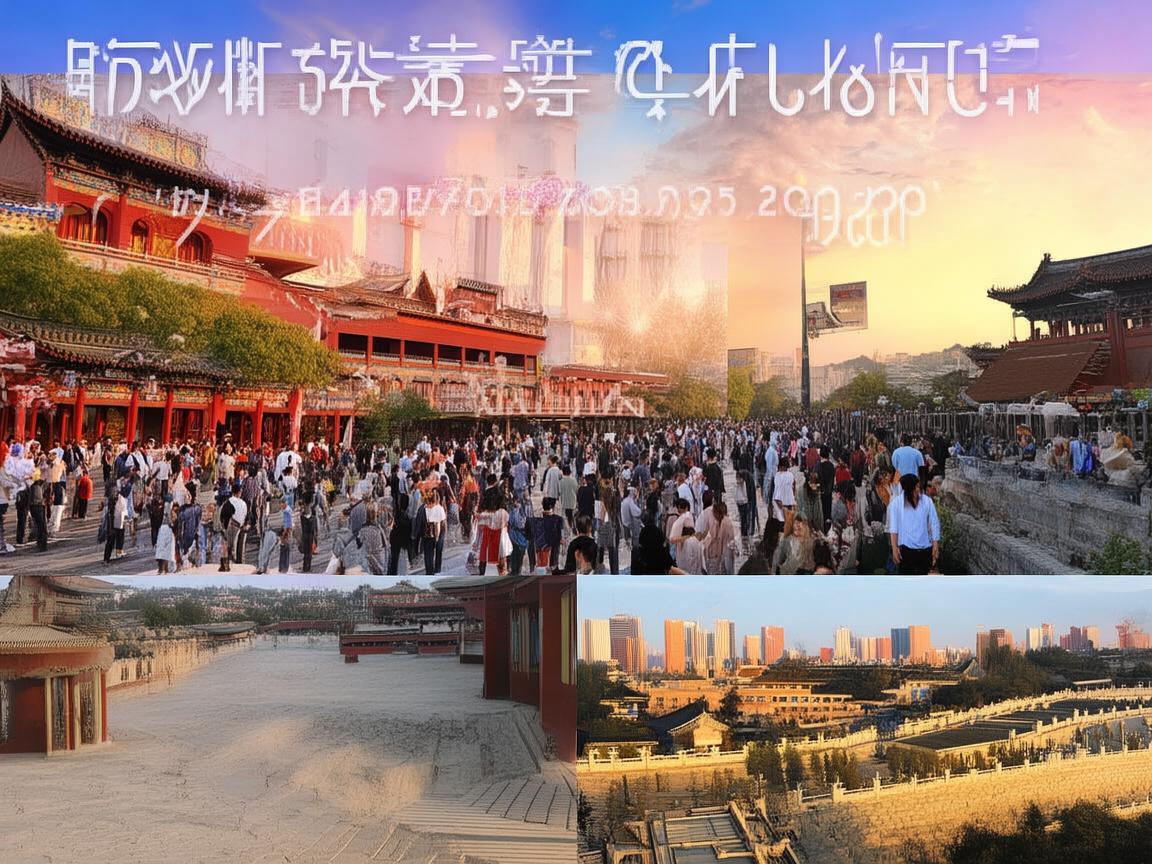
Navigating Xi’an: A Traveler’s Guide to Entry Checkpoints and Beyond
At the Airport: Following the Signs
After deplaning, the airport signs are in English and Chinese, so you can’t get lost (phew!). The flow is simple: Immigration → Baggage Claim → Customs. The entry checkpoint (Immigration) is the first stop, and it’s divided into two lines: “Chinese Citizens” and “Foreigners.” Obviously, you’re heading to the “Foreigners” line.
I was a bit nervous—what if I filled out the arrival card wrong? What if the officer asked a question I couldn’t answer? But the officers here are pros. They barely looked at me; they just stamped my passport, smiled, and said “Welcome to China.” That’s it! No grilling, no drama. The whole process took maybe 10 minutes, even though the line was 20 people deep. Moral of the story: Don’t stress the entry checkpoint—they’ve seen thousands of travelers like you.
Baggage Claim & Customs: Quick & Painless
Next up: baggage claim. The airport has carousels for all flights, and the screens are in English, so you won’t grab someone else’s suitcase (I hope). Once you’ve got your bags, you’ll head to customs. There are two channels: “Nothing to Declare” and “Goods to Declare.” Unless you’re bringing in over $5,000 USD, restricted items (like fresh fruit or more than 200 cigarettes), or anything illegal, take the “Nothing to Declare” line. They’ll X-ray your bags, but it’s a quick wave-through—no unpacking needed.
From Entry Checkpoint to City Center: Getting Around Like a Local
Once you’re past customs, the next challenge is actually getting into Xi’an. The airport is about 40 km from the city center, so you’ve got options. Here’s what I did, and what I’d recommend:
Option 1: Airport Express Bus (Budget-Friendly & Easy)
This is my top pick for first-time visitors. The bus leaves from outside the Arrival Hall, and signs are in English. There are several routes, but the most popular is Route “Airport Line 2,” which goes straight to the Bell Tower—the heart of Xi’an’s old town. A one-way ticket costs ¥25, and the ride takes about 60 minutes, depending on traffic. I hopped on around 11 PM, and the bus was clean, air-conditioned, and not crowded. The driver even pointed out the city wall as we drove past it at night—bonus!
Option 2: Metro (If You’re Traveling Light)
Xi’an’s Metro Line 14 connects the airport to the city center, and it’s fast (about 40 minutes) and cheap (¥5-8). But here’s the catch: the Metro stops running around 10 PM. If you land late, like I did, this isn’t an option. Also, if you have a big suitcase, navigating stairs and escalators can be a pain. I tried the Metro on my way back to the airport, though, and it was super efficient—no traffic, just smooth sailing.
Option 3: Taxi or Ride-Hailing (Convenient but Pricey)
Taxis are available outside the Arrival Hall, and they’re easy to spot (yellow with a “出租车” sign). A ride to the Bell Tower should cost around ¥100-150, but always insist on using the meter—some drivers might try to negotiate a flat fee, which is usually more expensive. I used a ride-hailing app (Didi, China’s version of Uber) instead, which is cheaper and transparent about pricing. Just make sure to download the app before you land (you’ll need a Chinese phone number to register, but you can use a friend’s number or buy a local SIM card at the airport).
Where to Stay: Pick the Right Neighborhood
Xi’an is big, so where you stay matters. I spent my first three nights in the Bell Tower neighborhood (钟楼), and it was perfect. It’s walkable to most major attractions (the Muslim Quarter, the city wall, the Drum Tower), and there are tons of restaurants and shops nearby. I stayed at a budget hotel called “Xi’an Bell Tower Hostel,” which had clean dorm beds for ¥80/night and a rooftop terrace with views of the Bell Tower at night—total steal.
If you prefer something quieter, consider the Small Wild Goose Pagoda (小雁塔) area, or High-tech Zone if you want modern amenities. But for first-timers, stick to the old town—you’ll save hours on transportation.
Must-See Attractions: Beyond the Tourist Trail
Xi’an is famous for the Terracotta Army, and for good reason—it’s incredible. But don’t stop there. Here are my top picks, including a few hidden gems:
Terracotta Army (兵马俑)
This is non-negotiable. The army of 8,000+ life-sized clay soldiers, each with unique faces, is one of the world’s greatest archaeological finds. To get there, take Metro Line 9 to “Terracotta Army Station” (about 1 hour from the city center). Buy your ticket in advance online (¥120) to skip the line—trust me, the queues can be 2+ hours long during peak season.
Pro tip: Hire a guide! I booked one through my hotel for ¥200, and it made all the difference. He told me stories about Emperor Qin Shi Huang, how the army was discovered in 1974 by a farmer digging a well, and why the soldiers’ faces are all different. Without a guide, you’ll just see a bunch of clay figures—with one, you’ll feel like you’re traveling back in time.
Xi’an City Wall (西安城墙)
The city wall is one of the best-preserved ancient walls in China, and it’s a must-do for two reasons: you can walk or bike on top of it, and it offers stunning views of the city. I rented a bike for ¥50 (deposit ¥200) and cycled the entire 14 km loop. It took about 2 hours, and I stopped halfway at a watchtower to snack on roasted chestnuts and watch the sunset.
Best time to go: Early morning (7-9 AM) or evening (5-7 PM). It’s less crowded, and the light is golden and perfect for photos.
Muslim Quarter (回民街)
This is Xi’an’s food paradise—a narrow, bustling street lined with stalls selling everything from roujiamo (Chinese hamburgers) to paomo (bread soaked in lamb soup). It gets super crowded at night, so go early (around 5 PM) to beat the rush. My must-try foods:
- Roujiamo: ¥10 each—juicy pork in a crispy bun, “the Chinese hamburger.”
- Biangbiang noodles: ¥15—wide, chewy noodles with chili oil, garlic, and veggies.
- Tanghulu: ¥20—candied hawthorns on a stick, sweet and tangy.
- Yangrou paomo: ¥25—tear bread into pieces, dip in lamb soup, and slurp. It’s messy but delicious.
Pro tip: Don’t eat at the first stall you see—walk a few blocks in, where the locals eat. The food is cheaper and better.
Shaanxi History Museum (陕西历史博物馆)
If you love history, this museum is a gem. It has over 370,000 artifacts, including ancient bronze, pottery, and Tang Dynasty gold. The best part? The Tang Dynasty murals—they’re so vibrant, you’ll feel like you’re walking into a 1,000-year-old painting.
Important: You need to book tickets in advance (free, but limited daily). I booked 3 days ahead on the museum’s official WeChat account (you’ll need a Chinese phone number, or ask your hotel to help). Alternatively, pay ¥30 for a “special exhibition ticket” which lets you skip the line—worth it if you’re short on time.
Foodie Tips: Eat Like a Local
Xi’an is a foodie city, so come hungry. Here are a few more local favorites:
- Liangpi (凉皮): Cold wheat noodles with chili oil, vinegar, and bean sprouts. Refreshing on a hot day. I ate it at a tiny stall near the Muslim Quarter—¥8 a bowl.
- Rougaomo (肉夹馍): Try the “Famen Temple Roujiamo” (法门寺肉夹馍) at a chain called “Lao Sun Family” (老孙家). The meat is slow-cooked for 6 hours—fall-off-the-bone good.
- Bingfeng (冰峰): Xi’an’s local soda, tastes like orange Fanta. Pair it with roujiamo for the perfect combo.
Final Tips: Things I Wish I’d Known
- Language: Most young people in Xi’an speak basic English, but older locals don’t. Download a translation app (like Google Translate or iFly) and download the Chinese language pack offline—it’s a lifesaver.
- Cash: While WeChat Pay and Alipay are everywhere, some small stalls (especially in the Muslim Quarter) only take cash. Bring around ¥500 in small bills (¥10, ¥20).
- Weather: Xi’an has four distinct seasons. Summer (June-August) is hot and humid (up to 35°C), winter (December-February) is cold (down to -5°C). Spring (April-May) and autumn (September-October) are the best times to visit—mild and sunny.
- Safety: Xi’an is very safe, even at night. I walked back to my hotel from the Muslim Quarter at 11 PM and felt totally fine. Just keep an eye on your belongings in crowded places.
Wrapping Up: Xi’an Is More Than a Stopover
Xi’an exceeded all my expectations. From the seamless entry checkpoint to the ancient walls, the delicious food, and the friendly locals, it’s a city that blends history and modernity in the best way possible. The entry checkpoint? It’s just the first step in an adventure that will leave you with memories (and a full stomach) for a lifetime.
So if you’re planning a trip, don’t be nervous. Do a little prep, pack your comfy shoes, and get ready to explore. Xi’an is waiting—and trust me, you won’t want to leave.
Xi’an Airport Transfer Service
Private English-speaking driver service in Xi’an operated directly by Bruce Zhang. 24/7 airport pickup and hotel transfer for foreign travelers.
Helpful for Your Trip in Xi’an
Skip the Lines, Savor the Stories: My VIP Entry Guide to Xi’an
2026-07-27Traveling Xi’an Smart: How Online Booking Made My Trip Seamless and Stress-Free
2026-07-27Navigating Xi’an’s Face Recognition Entry Systems: A Tourist’s Practical Guide
2026-07-27Xi’an Traveler’s Guide: Navigating the City with China’s Visitor Platforms
2026-07-26Navigating Xi’an’s Tour Entry System: A Traveler’s Practical Guide
2026-07-26Xi’an Travel Hack: How a Ticket Issuing App Saved My Trip and 5 Hours in Queues
2026-07-26Xi’an Travel Tips: Navigating Ticket Codes Like a Local
2026-07-25Unlocking Xi’an: A Traveler’s Guide to the China Museum Gate and Beyond
2026-07-25Visiting Xi’an: A Practical Guide to China’s Attraction Regulations
2026-07-23Traveling Xi’an Like a Local: Smart Destination Management Tips for Tourists
2026-07-23