

Unlocking Xians Heritage: A Travelers Guide to Accessing Ancient Wonders
Landing in Xi’an, I felt like I’d stepped into a living history book. The city’s air hums with stories—of emperors, soldiers, monks, and traders who shaped China’s past. But as a first-time visitor, I quickly realized: "accessing" Xi’an’s heritage isn’t just about showing up at famous sites. It’s about navigating logistics, avoiding crowds, and digging beneath the surface to truly connect with the past. After a week of trial and error (and way too much steamed bread), I’ve put together this guide to help you experience Xi’an’s wonders without the headaches. Let’s dive in.
Start with the "Big Three": But Smart
Xi’an’s crown jewels—Terracotta Army, Ancient City Wall, and Big Wild Goose Pagoda—are non-negotiable. But here’s the thing: they’re also crowded, expensive, and easy to rush through. To access them meaningfully, plan ahead.
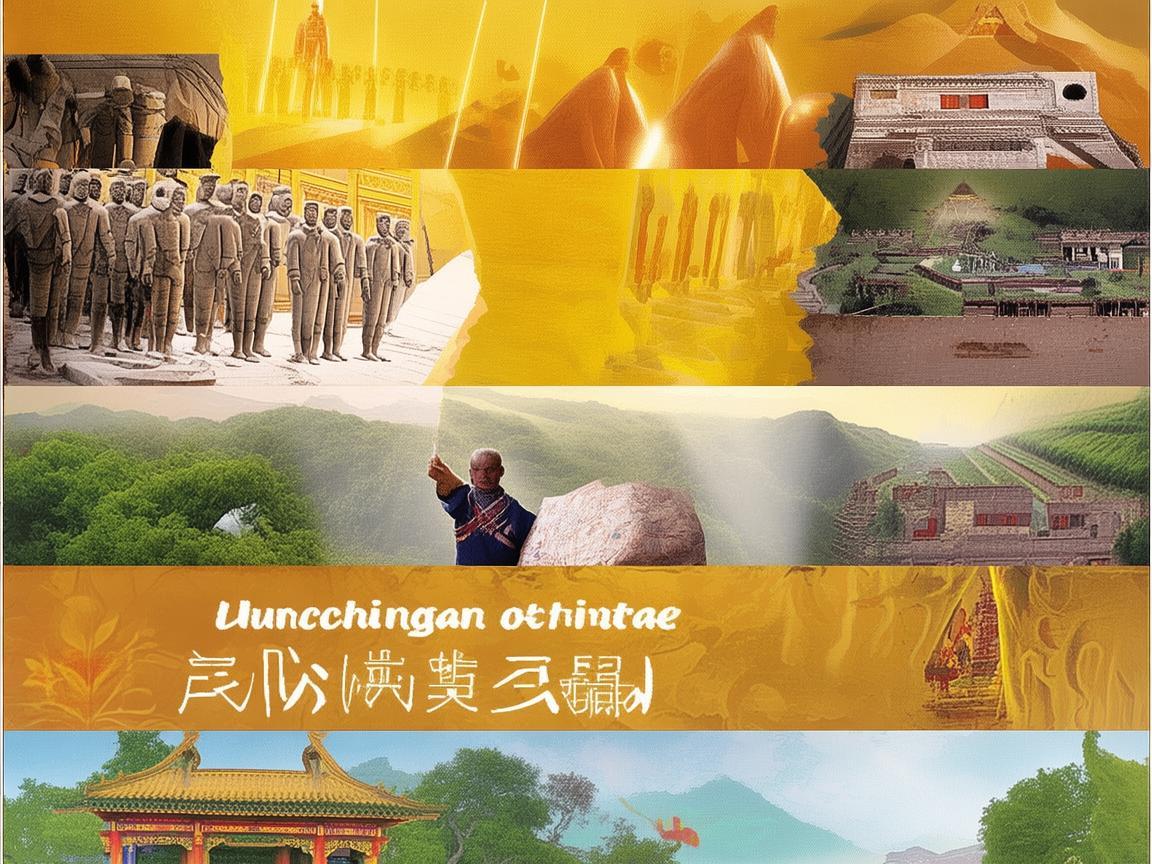
Unlocking Xians Heritage: A Travelers Guide to Accessing Ancient Wonders
Terracotta Army: Beat the Crowds, Listen to the Experts
The Terracotta Warriors are Xi’an’s star, and for good reason. But arriving at 10 AM on a weekend? You’ll be elbow-to-elbow with tour groups. I learned the hard way: go early. The gates open at 8:30 AM in summer (8 AM in winter), and if you’re there by 8:45, you’ll have Pit 1— the largest, with thousands of soldiers—almost to yourself.
Tickets: ¥120 (adult), ¥60 (student/child). Buy them online via the official WeChat account ("秦始皇陵博物院") or website to skip the ticket line. Trust me, the "foreigner ticket queue" can be an hour long.
Guides: Do not skip a guide. The pits are massive, and without context, you’ll just see clay statues. I booked an English-speaking guide through my hotel (¥200 for 2 hours, worth every yuan). She pointed out details I’d have missed: the individualized faces of each warrior, the bronze swords still sharp after 2,000 years, and the fact that Pit 3 is the "command center" with fewer but higher-ranking officers.
Pro tip: There’s a small museum near the entrance with artifacts from the tomb—chariots, weapons, bronze vessels. Most tourists rush to the pits and skip this, but it’s packed with context. Spend 30 minutes here first; the pits will make more sense.
Ancient City Wall: Walk, Don’t Just Bike
The City Wall is a 14-kilometer ring of history, and biking is the classic move. But here’s my secret: walk a section. I rented a bike (¥45 for 2 hours, ¥200 deposit) at the South Gate (Yongningmen), but after 30 minutes, I ditched it and walked the less-trodden East Wall. The views of the city’s mix of ancient pagodas and modern skyscrapers are stunning, and you’ll spot locals practicing tai chi, kids flying kites, and artists painting the scenery.
Tickets: ¥54 (adult), ¥27 (student). Enter at any gate—South Gate is busiest, so try East Gate (Dongzhengmen) or West Gate (Andingmen) for quieter vibes.
Best time: Sunset. The wall glows gold as the sun dips, and the city lights start to twinkle. Bring a jacket—evenings get cool.
Big Wild Goose Pagoda: More Than Just a Tower
Most tourists snap a photo of the pagoda and leave. But to access its heritage, explore the entire complex. The Big Wild Goose Pagoda was built in 652 to hold sutras brought to China by the monk Xuanzang, and the grounds are filled with steles, gardens, and even a small museum.
Tickets: ¥50 (adult), ¥25 (student). Enter from the Big Wild Goose Pagoda Square (famous for its musical fountain—check the schedule; it runs at 12 PM, 3 PM, and 8 PM in summer).
Pro tip: Skip the "pagoda climb" (extra ¥30). The view from the top is meh, and the stairs are steep. Instead, walk around the base—read the steles (ancient stone inscriptions) and visit the Xuanzang Memorial Hall to learn about his journey to India.
Go Beyond the Tourist Trail: Hidden Heritage Gems
Xi’an’s heritage isn’t just in the "big three." The city is a maze of alleyways, temples, and neighborhoods where history feels alive. Here are my favorite off-the-beaten-path spots:
Muslim Quarter: Eat, Explore, and Respect
The Muslim Quarter (Huimin Street) is famous for its street food—roujiamo (Chinese burgers), paomo (bread soup), and yangrou paomo (lamb bread soup). But it’s also a living heritage site, home to the Great Mosque, one of China’s oldest Islamic mosques.
How to access it right: Enter from the West Street (Xi Dajie) instead of the main entrance. You’ll avoid the worst of the crowds and find quieter lanes with traditional courtyard houses. Visit the Great Mosque first (¥25, free for prayer times)—it’s a peaceful blend of Chinese and Islamic architecture, with gardens, pavilions, and a prayer hall. Then, explore the food stalls. Pro tip: Try sugar-coated haws (candied fruit on a stick) from the vendor near the mosque—they’ve been there for 30 years.
Small Wild Goose Pagoda: The "Chill" Alternative
While the Big Wild Goose Pagoda is bustling, the Small Wild Goose Pagoda is a hidden oasis. Built in 707, it’s shorter (43 meters) but more elegant, surrounded by a park where locals practice calligraphy, play chess, and drink tea.
Tickets: ¥30 (adult), ¥15 (student). Bonus: The nearby Shaanxi History Museum is right next door (more on that below).
Tang Dynasty West Market: Relive the Silk Road
The original Tang Dynasty West Market was a global trade hub, where merchants from Persia, Arabia, and India sold spices, silk, and gold. Today, it’s been rebuilt as a modern complex, but the basement floors are a recreation of the ancient market—with life-sized statues of traders, spice shops, and even a "Silk Road Museum" (free entry).
Go here for: Silk (buy a scarf; it’s cheaper than at the Terracotta Army), souvenirs, and the "Tang Dynasty Show" (dinner and dance; ¥380-680). Skip the overpriced "ancient costume photo shoots"—they’re cheesy and not worth the money.
Unlock the Past: Museums & Cultural Experiences
Xi’an’s museums are where heritage comes to life. But with so many options, it’s easy to waste time. Here’s how to prioritize:
Shaanxi History Museum: "China’s Treasure House"
This museum is a must—it has over 370,000 artifacts, including Tang Dynasty gold, bronze vessels from the Shang Dynasty, and the famous "Han Dynasty dancing figurines." But it’s extremely crowded, and tickets are limited.
How to access it: Book 3-7 days in advance on the official WeChat account ("陕西历史博物馆"). Foreigners can also book at the ticket counter with a passport, but you’ll risk missing out. Go on a weekday morning if possible.
Pro tip: Hire a guide (¥150 for 2 hours) or rent an audio guide (¥30). The museum is huge, and without guidance, you’ll miss key pieces—like the "Tang Dynasty tri-colored camels" (a symbol of the Silk Road).
Han Yangling Underground Museum: The "Quiet" Warriors
If the Terracotta Army is too overwhelming, head to Han Yangling. This is the tomb of Emperor Jing of Han (d. 141 BC) and his empress, but instead of life-sized warriors, the pits contain miniature figurines—30 cm tall, with detailed clothing and faces. It’s less crowded, cheaper (¥60), and gives you a different perspective on Han Dynasty burial practices.
How to get there: Take metro line 1 to "Weiyanglu Station," then bus 262 to "Han Yangling" (40 minutes).
Navigating Xi’an: Transport & Logistics
Getting around Xi’an is easy—if you know the tricks.
Metro: The Best Friend of Travelers
Xi’an’s metro is clean, cheap, and covers all major sites. A single ride costs ¥2-7 (buy a "Yikatong" card at any station for ¥20 deposit + ¥10 minimum balance). Key lines:
- Line 3: Direct to Terracotta Army ("Hualin Road Station").
- Line 2: To City Wall ("Bell Tower Station") and Muslim Quarter ("Muslim Quarter Station").
- Line 1: To Han Yangling ("Weiyanglu Station").
Avoid rush hour (7-9 AM, 5-7 PM)—trains are packed, and stations are chaotic.
Taxis & Didi: Bargain Smart
Taxis are cheap in Xi’an (starting ¥9), but drivers often overcharge foreigners. Always use Didi (China’s Uber)—it’s cheaper, tracks your route, and avoids scams. If you take a taxi, insist on using the meter.
Buses: For the Adventurous
Buses are ¥1-2, but routes are confusing (most signs are in Chinese only). Only take them if you’re confident in your navigation skills.
Practical Tips for Heritage Access
- Timing is Everything: Visit outdoor sites (Terracotta Army, City Wall) in the morning or late afternoon to avoid midday heat (summer temperatures can hit 40°C/104°F). Winter is cold but fewer crowds.
- Dress Modestly: When visiting temples (Great Mosque, Big Wild Goose Pagoda), cover your shoulders and knees. It’s a sign of respect.
- Learn Basic Phrases: Locals appreciate the effort. "Xièxiè" (thank you), "Nǐ hǎo" (hello), and "Duōshao qián?" (how much?) go a long way.
- Avoid "Tourist Traps": In the Muslim Quarter, don’t buy "antiques" from street vendors—they’re fake. Also, skip the "free" tea demonstrations—they’ll pressure you to buy expensive tea.
- Stay Hydrated: Tap water isn’t safe to drink. Buy bottled water (¥1-2) everywhere.
Final Thoughts
Xi’an’s heritage is more than just artifacts—it’s a story waiting to be told. By planning ahead, avoiding crowds, and digging deeper, you’ll move from "seeing" the sites to experiencing them. I left Xi’an not just with photos, but with a sense of connection to the people who built this city—one warrior, one brick, one story at a time.
So go early, stay curious, and let the past guide you. Xi’an’s heritage is waiting—you just need to know how to unlock it.
Xi’an Airport Transfer Service
Private English-speaking driver service in Xi’an operated directly by Bruce Zhang. 24/7 airport pickup and hotel transfer for foreign travelers.
Helpful for Your Trip in Xi’an
Skip the Lines, Savor the Stories: My VIP Entry Guide to Xi’an
2026-07-27Traveling Xi’an Smart: How Online Booking Made My Trip Seamless and Stress-Free
2026-07-27Navigating Xi’an’s Face Recognition Entry Systems: A Tourist’s Practical Guide
2026-07-27Xi’an Traveler’s Guide: Navigating the City with China’s Visitor Platforms
2026-07-26Navigating Xi’an’s Tour Entry System: A Traveler’s Practical Guide
2026-07-26Xi’an Travel Hack: How a Ticket Issuing App Saved My Trip and 5 Hours in Queues
2026-07-26Xi’an Travel Tips: Navigating Ticket Codes Like a Local
2026-07-25Unlocking Xi’an: A Traveler’s Guide to the China Museum Gate and Beyond
2026-07-25Visiting Xi’an: A Practical Guide to China’s Attraction Regulations
2026-07-23Traveling Xi’an Like a Local: Smart Destination Management Tips for Tourists
2026-07-23