

Navigating Xi’an’s Entry Control System: A Traveler’s No-Nonsense Guide
First things first: I love Xi’an. The city’s got this magical mix of ancient history—like, really ancient, think 2,000-year-old walls and terracotta warriors—and modern buzz. But when I landed here last month, I’ll admit, I was a little overwhelmed by the “entry control system” I kept hearing about. It’s not just one thing, you know? It’s a bunch of little rules, checkpoints, and steps that vary from the airport to the Terracotta Army to even the subway. After a few days of trial and error (and one embarrassing moment where I almost missed my train because I didn’t know about a security checkpoint), I figured out how to navigate it like a pro. So if you’re planning a trip, let me break it down—no fluff, just the stuff that’ll actually save you time and stress.
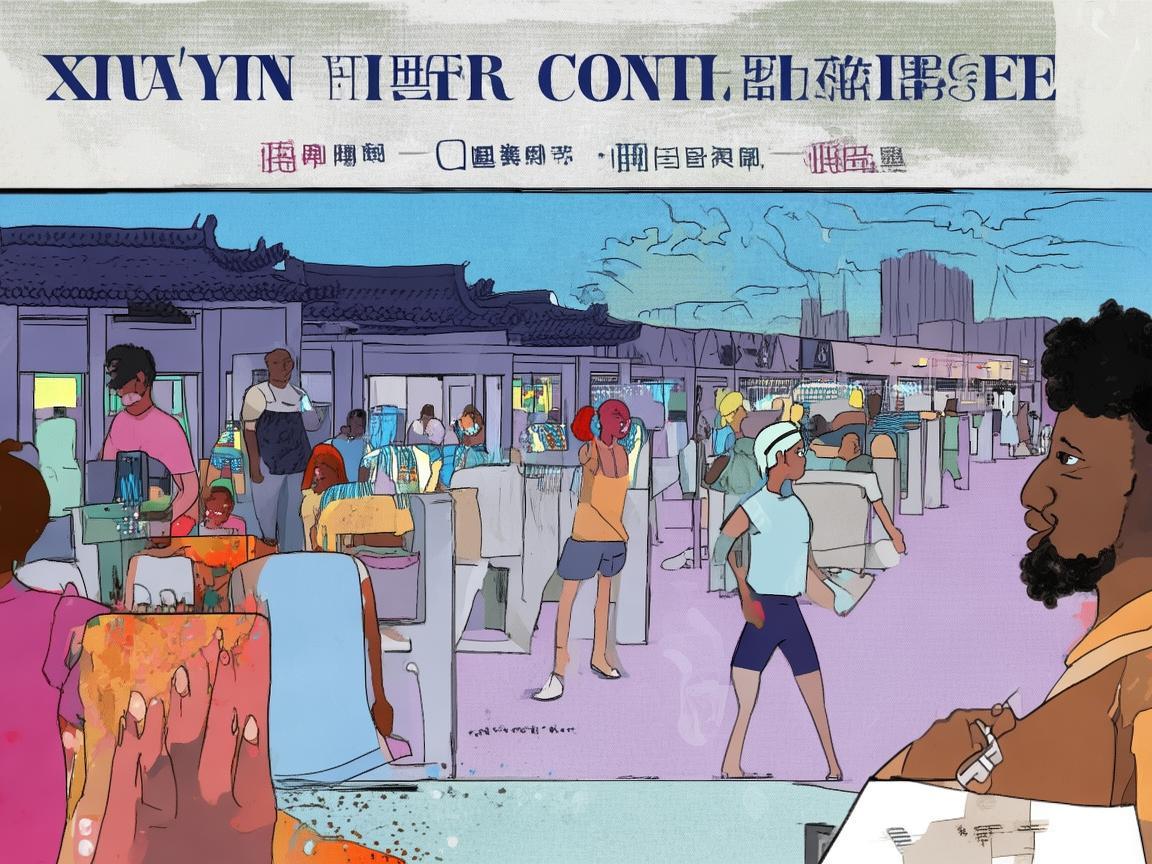
Navigating Xi’an’s Entry Control System: A Traveler’s No-Nonsense Guide
Part 1: What Is Xi’an’s “Entry Control System”?
Let’s get this straight: “entry control” here isn’t some big, scary gatekeeping thing. It’s just the mix of security checks, ID requirements, and entry rules you’ll face at almost every “official” spot—airports, train stations, major attractions, even some subway lines. Think of it like a security blanket: the city takes its history and safety seriously, so they want to know who’s coming and going. For travelers, that means a little extra prep, but once you get the hang of it, it’s totally manageable.
Part 2: Starting with the Big Ones—Airport & Train Station Entry
Okay, let’s talk about getting into Xi’an in the first place. Whether you fly into Xi’an Xianyang International Airport (XIY) or arrive by train (like the super high-speed rail from Beijing or Chengdu), the entry process is pretty similar, but with key differences.
At the Airport:
First, you’ll go through the usual airport security—take out your laptop, liquids in a clear bag, shoes off if you’re wearing boots (learned that the hard way). But here’s the thing: after you grab your bags, you’ll exit into the arrivals hall, and there’s a second checkpoint where they scan your ID (passport for foreigners, Chinese ID for locals) and your health code (more on that in a sec). I flew in from Shanghai, and I almost skipped this because I thought I was “done” with security, but nope—there’s a guard at the exit checking every person. Pro tip: Have your passport and health code ready on your phone before you get to the checkpoint. It saves you from fumbling while a line forms behind you.
At the Train Station:
Xi’an has a few major train stations—Xi’an North (the big one for high-speed rail), Xi’an, and Xi’an South. I took the high-speed rail from Xi’an North, and here’s what to expect: Once you get through the main security (same as the airport—liquids, laptops, etc.), you’ll head to your gate. But before you board, there’s another ID check. They scan your ticket and your ID (again, passport for foreigners) to make sure you’re the right person. I saw a traveler get turned away because their ticket name didn’t match their passport—so double-check when you book! Also, if you’re taking a regular train (not high-speed), the security might be a bit more relaxed, but still, bring your ID. You never know when they’ll check.
Part 3: The “Must-Do” Attractions—Entry Control Is Real Here
Xi’an’s top attractions are world-famous, which means they take entry control very seriously. I’m talking about the Terracotta Army, the City Wall, and the Big Wild Goose Pagoda. Let’s break each down because their rules are totally different.
Terracotta Army (秦始皇兵马俑):
This is the big one, and it’s where I almost messed up. First, you must book tickets in advance—like, days in advance, especially during peak season (spring/autumn). You can’t just show up and buy a ticket at the gate. I used the “WeChat Mini Program” (search for “陕西旅游集团”) to book, but you can also use Trip.com or Klook. You’ll need to enter your passport details, and they’ll send you an e-ticket.
Now, here’s the entry control part: When you get to the Terracotta Army site (it’s a bit outside the city, so take the subway Line 9 to “Huaqing Palace” station and then a shuttle bus), you’ll go through two security checkpoints. First, at the main entrance, they scan your e-ticket and check your passport against the booking details. Then, before you enter each pit (there are three main pits plus a museum), there’s another security scan—no large bags, no drones, no tripods (unless you have a special permit). I had a small backpack, and they made me open it to check for cameras or food (outside food is allowed, just no alcohol).
Oh, and one more thing: The site uses facial recognition at entry. They’ll scan your face to match your passport photo. If you’ve changed your hairstyle a lot since your passport photo (guilty as charged), don’t worry—they’ll just double-check with your ID. It’s quick, but if you’re with a group, make sure everyone is ready to go one by one.
City Wall (西安城墙):
The City Wall is easier than the Terracotta Army, but still has rules. You can buy tickets online or at the gate (I bought mine at the gate—no line when I went at 9 AM). Entry points are at several gates: South Gate (the most popular), East Gate, North Gate, etc.
Security check: Lighter than the Terracotta Army. They’ll scan your bag for large items, but no one cares about snacks or water. The main thing is your ticket and ID. If you rent a bike to ride on the wall (super fun, by the way), you’ll need to leave a deposit (ID or cash) at the rental booth. They’ll hold your ID until you return the bike—so don’t lose it!
Big Wild Goose Pagoda (大雁塔):
This is part of a complex, so entry control is a bit different. You can buy a ticket for the pagoda itself or just enter the surrounding square (which is free). If you go up the pagoda, you’ll need a ticket and ID. Security is standard—bag scan, no large items. The square is always busy, but no entry control there. Pro tip: If you go in the evening, there’s a fountain show (free, but you need to get a ticket to reserve a spot). Entry for the show has a bag check, so leave your big backpack at the hotel.
Part 4: Daily Life—Subway, Hotels, and Restaurants Entry Control
You might not think about entry control for everyday stuff, but in Xi’an, it’s there. Here’s what to know:
Subway:
Xi’an’s subway is clean and efficient, but security is strict. Every station has a security checkpoint—you’ll see a machine with a conveyor belt, and a guard watching. You need to put your bag on the belt and walk through the metal detector. They don’t check IDs for every rider, but if you look suspicious (or if there’s a heightened alert), they might. I never had my ID checked on the subway, but I always had my bag scanned. Pro tip: If you’re carrying a reusable water bottle, make sure it’s empty before you go through security—they might make you pour it out if it’s full.
Hotels:
When you check into a hotel in China, you must register your passport with the police. The hotel staff will take a copy of your passport and enter your details into a national database. This is mandatory for all foreigners, so don’t be surprised if they ask for your passport—even if you booked online. They’ll usually keep the copy for the duration of your stay. Just make sure you have your passport handy when you check in.
Restaurants and Malls:
Most restaurants and malls don’t have entry control, but some popular ones (especially in tourist areas like the Muslim Quarter) might check bags if they’re crowded. It’s rare, but if you see a security guard at the door, just be prepared to open your bag if asked.
Part 5: The “Health Code” Thing—You’ll Need This Everywhere
Okay, this is a big one, especially if you’re traveling during or after COVID. Xi’an uses a “health code” system (健康码, jiànkāng mǎ) to track travelers’ health status. For foreigners, this is usually linked to your passport on WeChat or Alipay.
Here’s how it works:
-
Get a health code: Open WeChat, search for the “Health Code” mini program (or use Alipay’s “健康码” feature). You’ll need to enter your passport details and some personal info (name, nationality, etc.). It will then generate a green, yellow, or red code.
- Green: Good to go—you can enter most places.
- Yellow: You might need to quarantine or get tested—hopefully this doesn’t happen!
- Red: Stay home and contact local authorities—again, rare for travelers.
-
Use it everywhere: You’ll need to show your green health code at attractions, hotels, train stations, and even some restaurants. It’s usually a QR code that you scan at a checkpoint. I kept mine on my phone’s home screen so I could access it quickly.
Pro tip: If you don’t have a Chinese phone number, you can still get a health code—you’ll just need to use your passport to register. Ask your hotel staff for help if you’re stuck; they’re used to helping foreigners with this.
Part 6: Common Problems—How to Fix Them (Because They Happen)
Even with the best prep, things can go wrong. Here are a few issues I ran into—and how to solve them:
Problem 1: “Your passport doesn’t match the booking.”
I booked my Terracotta Army ticket with my married name, but my passport still has my maiden name. The guard at the entry checkpoint flagged it. Solution: Bring a copy of your marriage certificate (or a document that links your two names) to prove they’re the same person. I didn’t have one, but I showed them my wedding photos on my phone (awkward, but it worked).
Problem 2: “Your health code is yellow.”
This happened to a friend of mine because she’d been in a city with a COVID outbreak a week earlier. Solution: Don’t panic. The health code system updates every 24 hours. If it’s yellow, go to a local hospital and get a COVID test (it’s free for travelers). Once the test comes back negative, your code will turn green in a few hours.
Problem 3: “You forgot your ID at the hotel.”
I was rushing to the subway and left my passport at the hotel. I didn’t realize until I got to the station and they asked for ID. Solution: Most hotels will hold a copy of your passport, so you can call them and ask them to send a photo to your phone. Or, if you’re near your hotel, just go back—better to be late than miss your train.
Problem 4: “The security line is 1 hour long.”
This happened at the Terracotta Army on a Saturday morning. Solution: Go early! I went at 8 AM when the site opened, and there was no line. If you go in the afternoon, expect to wait. Also, buy your ticket online in advance—you can skip the ticket line (though you still have to go through security).
Part 7: My Top Tips for Navigating Entry Control Like a Local
After a week in Xi’an, I’ve learned that entry control isn’t something to fear—it’s just part of the travel experience. Here are my top tips to make it smooth:
-
Bring a physical copy of your passport. I know, everything is digital now, but some places (like the Terracotta Army) still prefer physical copies. I kept a photocopy in my wallet and a photo on my phone—just in case.
-
Download apps in advance. Get the “陕西旅游集团” mini program for attraction tickets, WeChat for health code, and a metro app (like “MetroMan”) for subway directions. Trust me, you don’t want to be fumbling with Wi-Fi when you’re in a hurry.
-
Wear easy-to-remove shoes. If you’re wearing boots or sneakers with laces, airport and train security will make you take them off. I switched to slip-on sneakers—so much easier.
-
Don’t bring large bags. The bigger your bag, the longer the security check. I used a small crossbody bag—enough for my phone, passport, water, and snacks.
-
Ask for help. Chinese people are super friendly, and most young people speak a little English. If you’re confused about a checkpoint or health code, just ask a guard or a passerby—they’ll be happy to help.
Final Thoughts
Xi’an’s entry control system might seem complicated at first, but once you get the hang of it, it’s totally manageable. The key is to prepare: bring your ID, book tickets in advance, get your health code ready, and don’t be afraid to ask for help. At the end of the day, these rules are there to keep you safe and protect the city’s amazing history. So embrace the extra steps—they’re worth it when you’re standing in front of the Terracotta Army or walking on the ancient City Wall.
Now go, explore Xi’an! Just don’t forget your passport. ?
Xi’an Airport Transfer Service
Private English-speaking driver service in Xi’an operated directly by Bruce Zhang. 24/7 airport pickup and hotel transfer for foreign travelers.
Helpful for Your Trip in Xi’an
Skip the Lines, Savor the Stories: My VIP Entry Guide to Xi’an
2026-07-27Traveling Xi’an Smart: How Online Booking Made My Trip Seamless and Stress-Free
2026-07-27Navigating Xi’an’s Face Recognition Entry Systems: A Tourist’s Practical Guide
2026-07-27Xi’an Traveler’s Guide: Navigating the City with China’s Visitor Platforms
2026-07-26Navigating Xi’an’s Tour Entry System: A Traveler’s Practical Guide
2026-07-26Xi’an Travel Hack: How a Ticket Issuing App Saved My Trip and 5 Hours in Queues
2026-07-26Xi’an Travel Tips: Navigating Ticket Codes Like a Local
2026-07-25Unlocking Xi’an: A Traveler’s Guide to the China Museum Gate and Beyond
2026-07-25Visiting Xi’an: A Practical Guide to China’s Attraction Regulations
2026-07-23Traveling Xi’an Like a Local: Smart Destination Management Tips for Tourists
2026-07-23