

Do Hotels in China Take Cash? My Real Tips as a Xi’an Traveler
Let me start with this: I landed in Xi’an last month, jet-lagged and dragging a suitcase, staring at the hotel lobby thinking, Do hotels in China take cash? I’d heard stories about China’s cashless society—WeChat Pay, Alipay everywhere—but I’m old-school: I carry a wad of bills just in case. Long story short? Yes, most hotels do take cash, but there’s a catch. As a traveler who navigated Xi’an’s hotels, hostels, and even a cozy courtyard inn, here’s what you really need to know—no fluff, just practical tips from someone who’s been there.
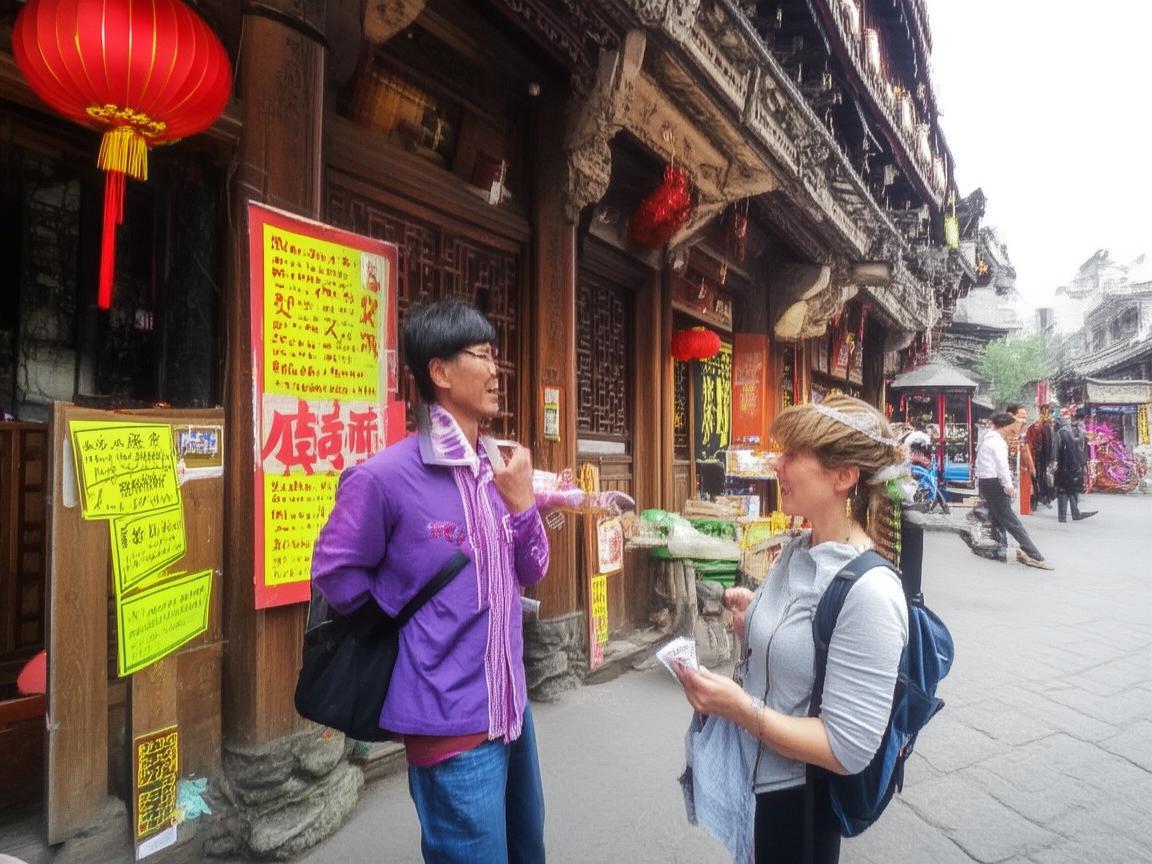
Do Hotels in China Take Cash? My Real Tips as a Xi’an Traveler
First things first: The short answer (but read the details!)
Yes, most hotels in China accept cash, especially if you’re staying at mid-range, budget, or locally owned places. Big international chains (like Marriott or Hilton) might prefer digital payments, but even many of them will take cash if you ask. However—and this is key—some high-end hotels or trendy boutique spots in big cities (like Xi’an’s city center) might be stricter, especially if you’re a foreign guest. Why? Because they’re used to international travelers who rely on cards or mobile wallets.
My first night: A cash win (and a small hiccup)
I arrived in Xi’an around 9 PM, tired and hungry, and headed to a mid-range hotel near the Bell Tower—nothing fancy, but clean and well-reviewed. At check-in, I handed over my passport and a stack of RMB cash (I’d exchanged $200 at the airport). The front desk agent smiled, took the money, and handed me a receipt. Easy! But then she asked, “Do you have WeChat Pay or Alipay? For deposits, it’s faster.”
Ah, right—the deposit. Many hotels in China (even cash-friendly ones) ask for a deposit for incidentals (like minibar charges or damages). For me, it was ¥500 (about $70). I could pay it in cash, but she said if I used WeChat Pay, they’d refund it to my phone instantly when I checked out. If I paid cash, I’d have to wait 3–5 business days for a refund to my bank account.
Lesson learned: Carry cash for the room rate, but have a digital payment option (like WeChat Pay or Alipay) handy for deposits. It saves time and hassle.
Not all hotels are created equal: My experiences across Xi’an
Xi’an has a mix of hotels—big chains, local inns, hostels, and even traditional courtyard homes. Here’s how cash played out in each:
Big chain hotels (e.g., Howard Johnson, Holiday Inn Express)
These are the most “international” of the bunch. I stayed at a Howard Johnson near the High-tech Zone for a work trip. The front desk spoke English well and accepted cash for the room rate (¥600/night). But when I asked about the deposit, they gently suggested Alipay: “Cash deposits take longer to process, and we can refund you to your Alipay account right after checkout.” No problem—I had Alipay set up (more on that later).
Verdict: Cash works for the room, but digital is better for deposits.
Local budget hotels & hostels
Xi’an’s backpacker hostels (like those near the Muslim Quarter) are cash-friendly. I popped into a hostel to ask about prices, and the owner quoted me ¥80/night for a dorm bed and said, “Cash or WeChat, both fine!” For private rooms (¥150-¥200/night), she preferred cash because “it’s easier for small businesses like mine—no transaction fees.”
Verdict: Cash is king here. No deposit worries, either.
Traditional courtyard inns (my favorite!)
I splurged on a 2-night stay at a traditional courtyard inn near the South Gate. These places are historic—think wooden beams, stone floors, and a peaceful garden. The owner, a sweet elderly man, spoke limited English but was warm and welcoming. When I handed him cash for the room (¥400/night), he counted it carefully, smiled, and gave me a hand-written receipt. “No deposit needed,” he said in Mandarin (I used Google Translate). “You’re a guest—trust you.”
Verdict: Cash is not just accepted; it’s preferred at many family-run spots. And the personal touch? Worth every penny.
The “what if” moments: When cash saved the day
Mobile payments are great, but things can go wrong. Here’s when cash saved me:
- No internet? No problem. I was at a rural guesthouse 30 minutes outside Xi’an, and the Wi-Fi was spotty. My phone couldn’t connect to WeChat Pay, but I had enough cash to pay for dinner and a extra night’s stay. The owner laughed and said, “Cash always works—even when the internet is down!”
- ATM troubles. My bank card got blocked (fraud alert, ugh), and I couldn’t withdraw cash for a day. Luckily, I had ¥200 left over from my initial exchange—enough to cover a cheap hotel and breakfast while I sorted out my card.
- Small towns near Xi’an. I took a day trip to Huashan Mountain (about 2 hours from Xi’an) and stayed in a tiny guesthouse at the base. The owner only spoke Mandarin and only took cash. If I’d relied on mobile payments, I would’ve been stuck!
How to prepare: Cash vs. mobile payments (my checklist)
Before you go to Xi’an (or anywhere in China), here’s what I’d recommend:
Bring cash—but not too much
- Exchange at the airport: Xi’an Xianyang International Airport has currency exchange counters with fair rates. I exchanged $200 and got ¥1,400 (around $19 at the time). Pro tip: Avoid exchanging at hotels—their rates are terrible.
- Small bills are your friend: Many local places (like street food stalls or small shops) don’t have change for big bills (¥500 or ¥1000). I kept a mix of ¥10, ¥20, and ¥50 bills handy.
Set up a mobile payment (WeChat Pay or Alipay)
Even if you prefer cash, mobile payments are useful for deposits, small purchases, and emergencies. Here’s how to do it as a foreigner:
- Download WeChat Pay or Alipay: Both are available on the App Store/Google Play.
- Link a foreign credit card: Go to “Wallet” in WeChat or “My” in Alipay, select “Payment Methods,” and add your international card (Visa/Mastercard). Note: Some cards don’t work—my Bank of America card worked, but my friend’s Chase card didn’t.
- Add “balance” via top-up: If your card doesn’t link, you can add cash to your WeChat/Alipay account at convenience stores (like 7-Eleven) or banks. Just show the QR code at the counter and pay in cash.
Tell your bank you’re traveling
This is basic but easy to forget! Call your bank and let them know you’re going to Xi’an. Otherwise, they might block your card for “suspicious activity.”
Keep a small “emergency cash stash”
I carried a separate envelope with ¥500 (about $70) that I didn’t touch unless it was an emergency. It gave me peace of mind.
One last thing: Tipping (or not)
Do you need to tip hotel staff in China? No. Tipping isn’t customary here, and some places might even refuse it (they see it as unnecessary). If you want to thank a housekeeper or bellhop, a simple “thank you” (in Chinese: “Xièxiè!”) goes a long way. If you insist on tipping, leave a small amount of cash (¥10-¥20) on the desk, but don’t be surprised if they give it back.
Final verdict: Yes, cash works—but be smart
So, do hotels in China take cash? Yes, most do. But don’t rely only on cash—have a backup plan (mobile payments or a card). In Xi’an, I used cash for room rates at local places and mobile payments for deposits at big hotels. It worked like a charm.
Xi’an is an amazing city—ancient history, amazing food, and friendly people. Don’t let payment worries stress you out. Bring cash, set up WeChat Pay/Alipay, and go explore. The Terracotta Army, Muslim Quarter, and city walls are waiting—and with the right payment mix, you’ll focus on the fun, not the finances.
Safe travels, and enjoy Xi’an! 🥟🏯
Xi’an Airport Transfer Service
Private English-speaking driver service in Xi’an operated directly by Bruce Zhang. 24/7 airport pickup and hotel transfer for foreign travelers.
Helpful for Your Trip in Xi’an
Navigating Xi’an’s Metro: A Foreigner’s Practical Payment Guide
2026-07-27Navigating Xi’an: A Tourist’s Guide to Mastering Mobile Payments in China
2026-07-27Navigating Xi’an Like a Local: My Digital Pay Survival Guide
2026-07-26Xi’an Travel Tips: Cash vs. QR Codes for Entrance Tickets——A Tourist’s Practical Guide
2026-07-25Alipay for Foreign Travelers in Xi’an: A Practical Setup Guide
2026-07-25How to Survive (and Thrive) in Xi’an: A Tourist’s Guide to Digital Transactions
2026-07-24Navigating Theme Park Payments in Xi’an: A Traveler’s Practical Guide
2026-07-24Xi’an’s Convenience Stores: Your Go-To for Easy Travel Payments
2026-07-23My Cash Backup Strategy for Traveling in China: A Tourist’s Practical Guide
2026-07-22Emergency Payments in Xi’an: A Foreign Traveler’s Practical Guide
2026-07-22