

Exploring Xi’an: A Tourist’s Take on China’s Revolutionary Payment System
Let me start with this: I landed in Xi’an with a wallet full of cash and a head full of stereotypes. I’d heard China was a “cashless society,” but I figured, Better safe than sorry—right? Wrong. Within 24 hours, my pockets were lighter, my patience was thinner, and I was staring at a bowl of fragrant yangrou paomo (mutton soup) wondering how to pay without the crumpled yuan bills I’d brought. That’s when I stumbled into Xi’an’s payment innovation system—and let me tell you, it changed my entire trip.
Exploring Xi’an: A Tourist’s Take on China’s Revolutionary Payment System
The First Shock: Cash? What Cash?
My first morning in Xi’an, I took the metro from the airport to the city center. The ticket machine only accepted mobile payments via Alipay or WeChat Pay. Panic set in. I’d downloaded the apps but never linked them to my international bank card. A kind local student saw me fumbling, tapped my phone, and said, “Scan this QR code—you can top up with your card.” In 30 seconds, I had a metro pass. “Welcome to Xi’an,” she grinned. “Cash is like a flip phone here: outdated.”
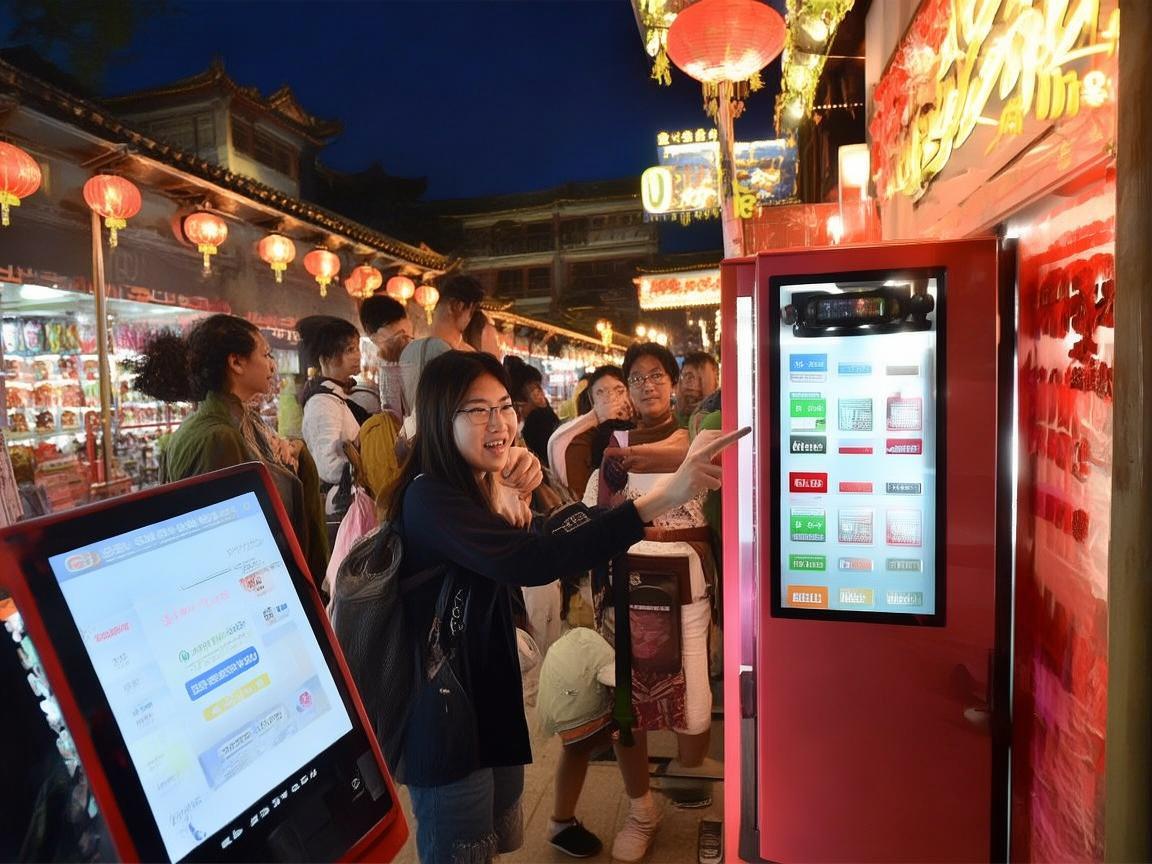
By noon, I was at the Muslim Quarter, a labyrinth of spice stalls, kebabs, and souvenir shops. I wanted to try roujiamo (Chinese hamburgers), but the vendor shook his head when I offered cash. “WeChat, Alipay,” he said, pointing at a laminated sign with QR codes. I sheepishly pulled out my phone, and he guided me: Open WeChat → “Me” → “Services” → “Wallet” → “Scan to Pay.” I scanned his code, entered the amount (12 yuan, or ~$1.70), and ding—done. No coins, no waiting for change. Just a smooth beep and a “Payment successful” notification.
Decoding the “Innovation”: It’s Not Just Mobile Payments
Xi’an’s payment system isn’t just about “swiping phone instead of cash.” It’s a seamless ecosystem designed for tourists—one that integrates payments with navigation, translation, and even cultural experiences. Here’s what I learned:
Alipay and WeChat Pay: The Dynamic Duo
These two apps are the backbone of Xi’an’s payment scene. For tourists, the key is linking a foreign bank card (Visa/Mastercard) to their wallets. Here’s how:
- Alipay: Open the app → “Profile” → “Payment Methods” → “Add Bank Card.” I had to verify my identity with my passport, but once done, I could top up my balance directly.
- WeChat Pay: Slightly trickier—you need to bind a Chinese bank card first, but many hotels and tourist centers offer “WeChat Pay Pass” for foreigners, which lets you link international cards temporarily.
Pro tip: Keep both apps! Some small vendors (like street food stalls) only take WeChat, while larger attractions (e.g., the Terracotta Army) prefer Alipay.
QR Codes Everywhere—But Not All Are Equal
Xi’an’s streets are plastered with QR codes, but there are two types to watch for:
- Static QR Codes: Printed on tables, stalls, or shops. These are “fixed” codes—you scan them, enter the amount, and pay. Ideal for small purchases.
- Dynamic QR Codes: On taxis, hotel check-ins, or tour guides. These generate a unique code for each transaction, so you don’t accidentally pay the person next to you.
I learned this the hard way: At a night market, I scanned a static code for jianbing (savory crepe), entered 15 yuan, and walked away—only to realize the vendor had scanned my code instead of his. He chased me down, laughing, and showed me how to check the payment details in the app. Lesson: Always confirm the merchant’s name before paying!
Transportation: No More Fumbling for Tickets
Xi’an’s public transport system is a payment innovator’s dream. I never bought a single paper ticket:
- Metro: Use Alipay’s “Metro” feature or WeChat’s “Transportation” card. Just scan the QR code at the gate, and it deducts the fare automatically.
- Buses: Same system—scan the QR code when you board.
- Taxis: Most drivers accept mobile payments. One driver even showed me how to use “Didi” (China’s Uber), which lets you pay via Alipay/WeChat and get a digital receipt.
The best part? Real-time updates. Alipay’s “Metro” tab shows wait times, delays, and even exit directions—perfect for avoiding getting lost in the Xi’an Railway Station!
Tourist-Friendly “Smart Services”
What really impressed me was how payments integrate with tourism services. At the Terracotta Army, I didn’t just buy a ticket—I bought a “Smart Ticket” via Alipay. It included:
- Entry to all three pits.
- An audio guide in English (activated by scanning QR codes at each exhibit).
- A discount at the souvenir shop (scanned my ticket at checkout, and 10% was deducted).
At the Big Wild Goose Pagoda, I used WeChat Pay to rent a “smart lock” for my luggage—left it at the tourist center, scanned the code to unlock it when I returned. No carrying bags around all day!
When Things Go Wrong: Backup Plans for Tourists
No system is perfect, but Xi’an’s payment innovation has built-in fixes for common tourist hiccups:
- No Internet? Download “Alipay Offline” or “WeChat Offline” modes beforehand. These let you make small payments (under ¥100) without data—handy in underground malls or remote temples.
- Card Declined? Most 7-Elevens, convenience stores, and hotels have “cash top-up” machines for Alipay/WeChat. You insert cash, and it adds the amount to your digital wallet.
- Lost Phone? Alipay and WeChat both have “Child Mode” or “Temporary Payment Codes” that let you use a fixed QR code even if your phone is lost. Just call customer service to activate it.
The Cultural Bonus: Payments as a Gateway to Connection
Here’s the unexpected perk of Xi’an’s payment system: it forced me to interact with locals. When I struggled to scan a QR code at a tanghulu (candied hawthorn) stall, the vendor taught me how to zoom in on the code. “See? The little squares are your ‘passwords’!” she said, laughing. A group of students at a tea shop helped me link my international card, then asked about my travels—turns out they were practicing English!
Payments became a conversation starter. Instead of fumbling with cash, I was showing people my phone, asking for help, and sharing stories. In a way, the QR codes were bridges—not just between me and my purchases, but between me and Xi’an’s people.
Final Verdict: Don’t Fight the System—Embrace It
By the end of my trip, my wallet was practically empty, but my phone was buzzing with payment confirmations. And I loved it. Xi’an’s payment innovation system isn’t just “convenient”—it’s thoughtful. It anticipates tourist needs (like linking international cards), solves problems (like offline payments), and even turns transactions into cultural exchanges.
So, my advice to future Xi’an travelers? Ditch the cash. Download Alipay and WeChat Pay. Link your card. And don’t be afraid to ask for help—locals are happy to help. Because in Xi’an, the future of payments isn’t just about technology. It’s about making travel easier, more fun, and more human.
And trust me: once you’ve paid for a jianbing with a QR code, you’ll never want to go back to coins.
Xi’an Airport Transfer Service
Private English-speaking driver service in Xi’an operated directly by Bruce Zhang. 24/7 airport pickup and hotel transfer for foreign travelers.
Helpful for Your Trip in Xi’an
Navigating Payments in Xi’an: A Group Traveler’s Practical Guide
2026-07-29Ordering and Paying in Xi’an: A Traveler’s No-Stress Guide
2026-07-29Xi’an E-Wallet: How This Little App Made My Trip a Breeze
2026-07-29Xi’an Traveler’s Survival Guide: How to Master China’s Mobile Wallets (WeChat Pay & Alipay)
2026-07-28Xi’an Travel: Your Practical ID Guide to Navigate China’s Real-World Rules
2026-07-28Xi’an Long Stay: How to Handle Payments Like a Local
2026-07-28Paying at Xi’an Clubs: A Foreigner’s No-Fluff Guide
2026-07-28Navigating Xi’an’s Metro: A Foreigner’s Practical Payment Guide
2026-07-27Navigating Xi’an: A Tourist’s Guide to Mastering Mobile Payments in China
2026-07-27Navigating Xi’an Like a Local: My Digital Pay Survival Guide
2026-07-26