

Navigating Payments in Xi’an: A Foreign Traveler’s Practical Guide
Let me be honest: before my trip to Xi’an, I was a bit anxious about payments. I’d heard China was a “cashless society,” but as a foreigner, I wasn’t sure how that would work for me. Would I need cash everywhere? Could I use my credit card? Would I get stuck unable to buy a bowl of noodles or a metro ticket? Turns out, with a little prep, paying in Xi’an was easier than I expected—but there are definitely tricks to know. Here’s what I learned, from the streets of the Muslim Quarter to the terracotta warriors, all from the perspective of someone who’s been there.
First Things First: The Big Picture—Cash vs. Digital
China’s service industry—from restaurants and hotels to street vendors and tourist sites—mostly runs on digital payments. Cash is still accepted in some places, especially smaller local spots or rural areas, but in a big city like Xi’an, you’ll rarely need it. That said, don’t leave without some cash (I’d recommend 200-300 RMB in small bills, like 10s and 20s) for emergencies: a market stall that only takes cash, a taxi driver who prefers it, or a tip for a hotel porter.
The Two Giants: Alipay and WeChat Pay
If you’ve heard of Chinese payments, you’ve heard of Alipay and WeChat Pay. These are the two dominant platforms, and you will need at least one to navigate Xi’an like a local. Here’s the deal:
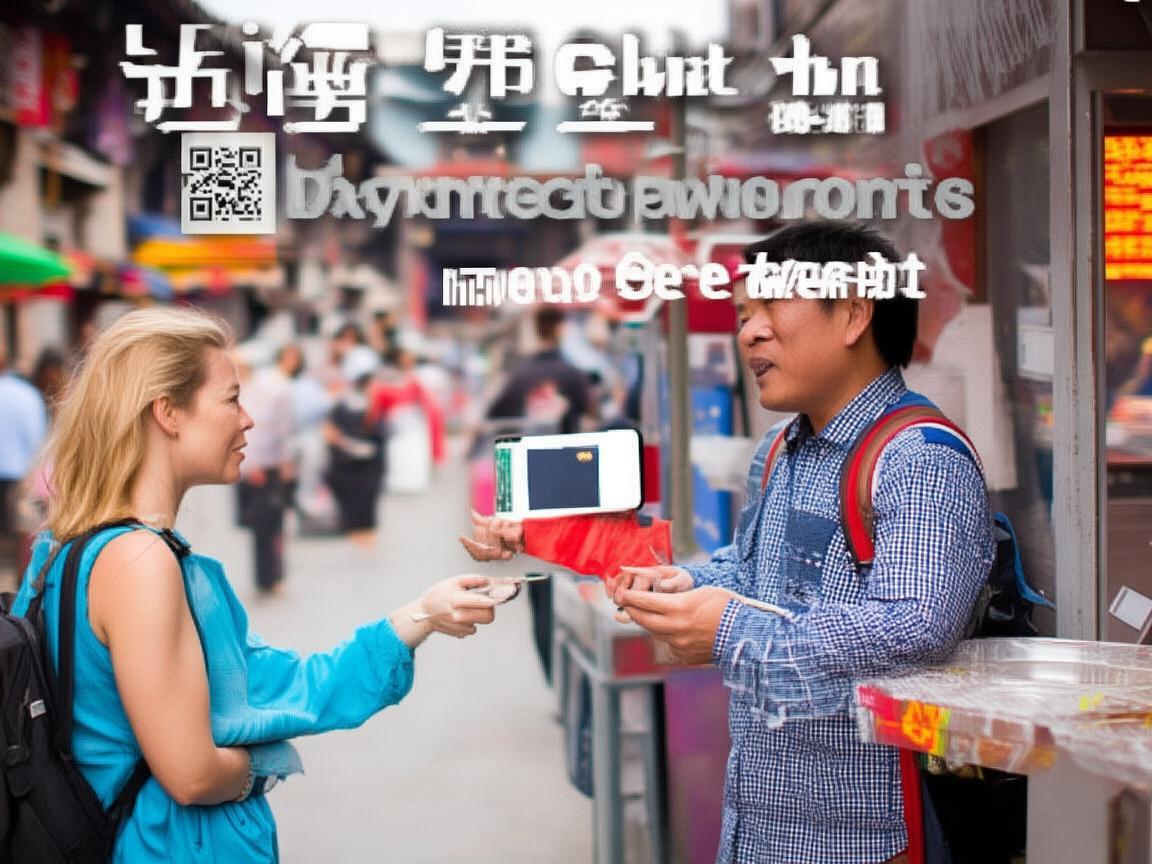
Navigating Payments in Xi’an: A Foreign Traveler’s Practical Guide
- Alipay: Owned by Alibaba, it’s like a digital wallet linked to your bank account. You can use it to pay for almost anything: food, shopping, metro rides, even buying snacks from a vending machine. It also has a “Travel Pass” for foreigners, which I’ll get to later.
- WeChat Pay: Built into WeChat (China’s super-app, like WhatsApp + Instagram + PayPal), it’s equally widespread. If you use WeChat to message friends, you can easily add payment. Many small vendors—like the auntie selling jianbing (Chinese crepes) on the street—only use WeChat because it’s tied to their social lives.
The key? Both require a Chinese bank account to use fully as a local, but foreigners have workarounds (more on that below).
How to Set Up Alipay/WeChat Pay as a Foreigner
This is the most important step—do it before you leave home, or you’ll struggle your first day. Here’s what worked for me:
Option 1: Link Your Foreign Credit/Debit Card (Easiest)
Both Alipay and WeChat Pay let you bind overseas cards (Visa, Mastercard, Amex, etc.). Here’s how:
- For Alipay: Download the app, sign up with your passport, go to “Me” → “Payment Methods” → “Add Bank Card,” and enter your card details. You’ll need to verify your identity with a selfie and passport scan (it’s quick, maybe 5 minutes). Once done, you can pay directly with your foreign card—no Chinese account needed.
- For WeChat Pay: Open WeChat, go to “Me” → “Services” → “Wallet” → “Payment Methods” → “Add Bank Card.” Same process: enter your card, verify with passport/selfie.
Note: Some smaller vendors might not accept foreign cards (their machines might not support international cards), but 80% of mid-to-large places (restaurants, malls, hotels) will. I used my Visa in Alipay at Starbucks, a sit-down restaurant near the Bell Tower, and a souvenir shop—no problem.
Option 2: Use Alipay’s “Tour Pass” (Great for Short Stays)
If you’re only in China for a few days, Alipay’s “Tour Pass” is a lifesaver. It’s a virtual prepaid card you top up with foreign currency, and it works exactly like a regular Alipay account. Here’s how:
- Open Alipay, go to “Tour Pass” in the “Travel” section.
- Select your currency (USD, EUR, etc.) and add money (minimum 100 RMB worth).
- You’ll get a temporary Alipay ID—use this to pay just like a local.
The best part? No need to link a Chinese bank account, and you can use it anywhere Alipay is accepted. I used this for my first 2 days in Xi’an before linking my card—super convenient.
Option 3: WeChat “Friend Transfer” (For Emergencies)
If you’re really stuck (e.g., no signal, can’t set up apps), you can ask a Chinese friend to send you money via WeChat “Friend Transfer,” then pay the vendor directly from your WeChat balance. But this requires knowing someone in China, so it’s a backup, not a plan.
Paying in Specific Scenes: What to Expect
Xi’an is a mix of ancient and modern, so payment methods vary by place. Here’s a breakdown by scene:
Restaurants: From Street Food to Fine Dining
- Street food (Muslim Quarter, etc.): Most vendors use WeChat Pay or Alipay. Look for a QR code (usually a green one for WeChat, blue for Alipay) on their stall or table. If you don’t have the apps, they might take cash—but I’d recommend setting up digital payments first. I bought roujiamo (Chinese hamburgers) and liangpi (cold skin noodles) in the Muslim Quarter; just opened Alipay, scanned the code, and paid. Easy.
- Sit-down restaurants: Mid-range places (like those in the Qujiang New District) will definitely take digital payments. Some higher-end spots might accept foreign credit cards, but I’d still use Alipay/WeChat—it’s faster. I ate at a famous dumpling restaurant near the South Gate; the waiter handed me a QR code, I scanned, paid, and got a receipt on my phone. No waiting for a bill, no tipping (tipping isn’t common in China, so don’t worry about it).
Transportation: Metro, Taxis, and Buses
- Metro: Xi’an’s metro is cashless and cardless—you need a QR code. Both Alipay and WeChat have a “Metro” feature: open the app, go to “Transportation” or “Metro,” generate a QR code, and scan it at the gate. I used this every day; it’s way cheaper than taxis (metro rides are 2-6 RMB depending on distance).
- Taxis: Most taxis take cash, but some newer ones accept WeChat/Alipay. The driver will show you a QR code on their dashboard. I’d recommend carrying small cash for taxis, though—once, my driver didn’t have a QR code, and I only had a 50 RMB bill (he couldn’t break it, so I had to pay with a 20 and get 0 RMB change… awkward).
- Buses: Buses are cash only (small bills, exact change). I took a bus to the Big Wild Goose Pagoda; it was 2 RMB, and I paid with a 10 RMB bill—no problem, but have change ready.
Hotels and Tourist Sites
- Hotels: Big chains (like Marriott, Hilton) will take foreign credit cards, but local boutique hotels might prefer digital payments. I stayed at a small hotel near the Bell Tower; they asked for Alipay/WeChat at check-in. I just scanned their QR code and paid—no need to sign anything.
- Tourist sites (Terracotta Army, City Wall, etc.): All major sites accept digital payments. At the Terracotta Army, I bought a ticket via Alipay (no waiting in the foreigner line!), and at the City Wall, I rented a bike by scanning a QR code. Even the souvenir shops inside took Alipay—bought a terracotta warrior replica with my Visa-linked Alipay.
Shopping: Markets and Malls
- Local markets (like the Grand Bazaar): Vendors here are used to foreigners. Most take WeChat/Alipay; some take cash. I bought a silk scarf at the Grand Bazaar—haggled the price to 150 RMB, then paid via Alipay. The vendor even helped me make sure the payment went through (she spoke a little English, but we used Google Translate mostly).
- Malls (like SKP Xi’an): Big malls accept foreign credit cards, but digital payments are faster. I bought a snack at a convenience store in the mall—just scanned a WeChat code and paid.
Common Problems (and How to Fix Them)
Even with prep, you might hit a snag. Here are the issues I faced—and how I solved them:
Problem 1: “Payment Failed” Error
What happened: Tried to pay for a bowl of biangbiang noodles, but Alipay said “payment failed.”
Why: My foreign card had a daily spending limit (I later called my bank to raise it).
Fix: I switched to WeChat Pay, which worked fine. Lesson: Have both Alipay and WeChat set up, just in case.
Problem 2: No Signal/Internet
What happened: Lost signal in the Terracotta Army parking lot, couldn’t scan a QR code.
Fix: I had 200 RMB cash in my wallet—paid the taxi driver back to the hotel. Pro tip: Download a “metro map” app offline (like “Xi’an Metro”) and save important QR codes as photos (e.g., your hotel’s payment code) so you can access them without internet.
Problem 3: Vendor Doesn’t Understand “Foreign Card”
What happened: At a small tea house, the owner looked confused when I tried to pay with Alipay. Turns out, he only accepted Chinese bank cards linked to Alipay (my foreign card wasn’t supported).
Fix: I paid in cash. This is rare, but that’s why carrying 200-300 RMB is smart.
Problem 4: Forgot to Top Up
What happened: Used my Alipay Tour Pass for 3 days, and it ran out of money.
Fix: I went to a 7-Eleven, bought a bottle of water (5 RMB), and paid with my foreign card to top up my Tour Pass right there. You can add money to Alipay/WeChat at any convenience store (7-Eleven, FamilyMart) or bank.
Final Tips for Smooth Payments
- Download apps early: Set up Alipay and WeChat before you leave home. It saves stress when you’re jet-lagged.
- Tell your bank: Let your bank know you’re traveling to China—otherwise, they might block your card for “fraud.”
- Learn basic phrases: Even if you use Google Translate, knowing “How do I pay?” (我该怎么付?) or “Do you take Alipay?” (你们收支付宝吗?) helps. Most young people in Xi’an speak a little English, but older vendors might not.
- Don’t rely on USD/EUR: Very few places accept foreign currency—exchange at the airport or a bank (not street exchangers, they rip you off).
- Keep QR codes handy: Save your hotel’s, your favorite restaurant’s, and your metro QR codes as photos. You never know when you’ll need them.
The Bottom Line
Paying in Xi’an as a foreigner is totally manageable—if you prepare. Digital payments are king, but cash is your safety net. Once you get the hang of Alipay or WeChat, you’ll feel like a local, buying jianbing on the street or riding the metro without a second thought. Xi’an is an incredible city—amazing food, history, and culture—and the last thing you want to worry about is paying for a taxi. So download those apps, grab some cash, and get ready to explore. You’ve got this!
Xi’an Airport Transfer Service
Private English-speaking driver service in Xi’an operated directly by Bruce Zhang. 24/7 airport pickup and hotel transfer for foreign travelers.
Helpful for Your Trip in Xi’an
Navigating Xi’an’s Metro: A Foreigner’s Practical Payment Guide
2026-07-27Navigating Xi’an: A Tourist’s Guide to Mastering Mobile Payments in China
2026-07-27Navigating Xi’an Like a Local: My Digital Pay Survival Guide
2026-07-26Xi’an Travel Tips: Cash vs. QR Codes for Entrance Tickets——A Tourist’s Practical Guide
2026-07-25Alipay for Foreign Travelers in Xi’an: A Practical Setup Guide
2026-07-25How to Survive (and Thrive) in Xi’an: A Tourist’s Guide to Digital Transactions
2026-07-24Navigating Theme Park Payments in Xi’an: A Traveler’s Practical Guide
2026-07-24Xi’an’s Convenience Stores: Your Go-To for Easy Travel Payments
2026-07-23My Cash Backup Strategy for Traveling in China: A Tourist’s Practical Guide
2026-07-22Emergency Payments in Xi’an: A Foreign Traveler’s Practical Guide
2026-07-22