

Navigating Payments in Xi’an: A Foreigner’s Guide to Family Transfer & Daily Spending
I’ll never forget my first week in Xi’an. I’d just landed, eager to explore the Terracotta Army and lose myself in the Muslim Quarter’s night markets, but within hours, I hit a wall: cash. Or rather, the lack of it. Back home, I’d lived on cards and Apple Pay, but here, even buying a bottle of water at the train station required cash—and my only yuan were buried in the bottom of my backpack, damp from a sudden downpour. By day two, I was surviving on instant noodles because I couldn’t figure out how to pay for a proper meal. That’s when I realized: for foreigners in China, payments aren’t just about swiping a card. They’re about navigating a system built on mobile apps, with a little help from family back home.
The Big Payment Puzzle: Why Cash Isn’t King (and Cards Rarely Work)
Before I get into the solutions, let’s talk about the problem. China’s payment scene is dominated by two giants: WeChat Pay and Alipay. Together, they control over 90% of mobile payments—think of them as Venmo, PayPal, and a debit card all rolled into one. But here’s the catch: both require a Chinese bank account to use fully. As a foreigner, I didn’t have one. My foreign credit cards? Useless at most street stalls, small restaurants, or even some local supermarkets. I tried paying for a taxi with my Visa once; the driver just stared at it like I’d handed him a rock.
Even places that do accept cards often add a 3-5% “foreign transaction fee,” which adds up when you’re eating jianbing every day. And cash? While ATMs exist (more on that later), they’re often hard to find outside city centers, and withdrawing large amounts feels risky—especially when you’re lugging a backpack around.
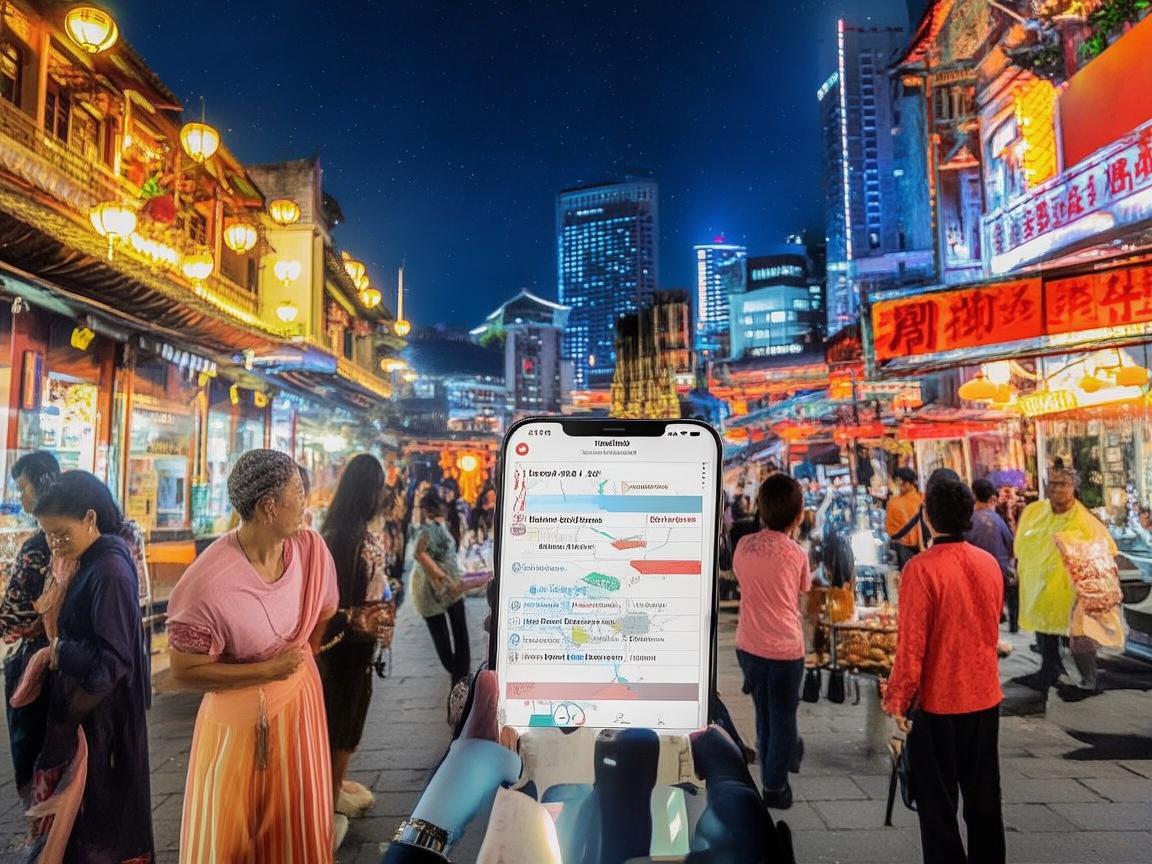
Navigating Payments in Xi’an: A Foreigner’s Guide to Family Transfer & Daily Spending
Family Transfer: The Lifeline for Foreign Travelers
By my third day in Xi’an, I was desperate. I’d managed to scrape together 200 yuan from a friend I’d met at my hostel, but it wasn’t enough for a trip to the Terracotta Army (tickets alone were 150 yuan). That’s when I called my mom back home. “Can you send me money?” I asked, feeling a little silly. But it turned out to be the smartest thing I did—and it’s a trick I’ve used ever since.
Here’s the step-by-step guide to family transfer for foreigners in China, based on my own trial and error:
Step 1: Choose the Right App (WeChat or Alipay?)
Both WeChat Pay and Alipay work for family transfers, but I prefer WeChat because it’s more user-friendly for beginners. If your family doesn’t have either, they’ll need to download them (WeChat is like WhatsApp + Venmo; Alipay is like PayPal + a bank app). Pro tip: Have them link a credit/debit card before you ask for money—saves time later!
Step 2: Set Up “Red Envelopes” (or Direct Transfers)
WeChat’s “Red Envelopes” (hongbao) are the easiest way to send money. Here’s how:
- On your family’s end: Open WeChat → Go to “Me” → “Payments” → “Red Envelopes.” Select “Send to Contacts” and type in your phone number (make sure it’s linked to your WeChat account!).
- On your end: Once they send it, you’ll get a notification. Open it, and the money will appear in your “WeChat Wallet.”
But wait—can you use that money right away? Yes, but with a catch. If you don’t have a Chinese bank account linked to your WeChat, you can only use the money for in-app purchases (like ordering food on Meituan) or paying people who also use WeChat. You can’t use it to buy things from street vendors who only accept WeChat QR codes—unless you “transfer” the money to their account.
Alipay works similarly: Your family can send money via “Transfer” → “To Phone Number,” and you’ll receive it in your Alipay “Balance.” Again, no Chinese bank account means limited use, but it’s better than nothing!
Step 3: Link a Chinese Bank Account (If You Can)
This is the game-changer. If you have a Chinese bank account (even a temporary one for tourists), you can link it to WeChat or Alipay, and suddenly all the money from family transfers becomes usable anywhere—QR codes, street stalls, you name it.
But how do you get a Chinese bank account as a foreigner? It’s easier than you think! I went to the Bank of China near the Bell Tower with my passport and visa. They helped me open a “multi-currency account” in about 30 minutes. No minimum deposit, no annual fee—just a debit card that works with WeChat and Alipay. If you’re staying longer than a week, this is 100% worth it.
Step 4: What If Your Family Isn’t Tech-Savvy?
My dad still struggles with apps, so I found a workaround: bank transfers. He can send money directly from his U.S. bank account to my Chinese bank account via SWIFT. It takes 2-3 days, and there’s a fee (around $20-30), but it’s reliable for bigger expenses like hotel stays or train tickets. Just make sure your Chinese bank account supports international transfers!
Beyond Family Transfer: Daily Payment Hacks for Xi’an
Once I had the family transfer system down, I still faced small payment hurdles. Here are the tips that saved me:
Carry a Small Amount of Cash (Just in Case)
Yes, mobile payments are king, but some places—like rural markets near the Terracotta Army or elderly vendors—still only take cash. I kept 200-300 yuan in my wallet at all times. You can withdraw yuan from ATMs (look for “UnionPay” signs—most accept foreign cards, but charge 3-5% fees).
Use “Scan to Pay” Like a Local
If you have WeChat or Alipay set up, learn to use QR codes. Every shop, restaurant, and even street food stall has a QR code:
- For WeChat: Open “Payments” → “QR Code.” Show the vendor the code; they’ll scan it with their phone.
- For Alipay: Open “Pay” → “Show QR Code.” Same process!
Pro tip: Save your favorite vendors’ QR codes as contacts in WeChat/Alipay—saves time when you’re ordering jianbing for the fifth day in a row.
Download a “Payment Proxy” App
If your family can’t use WeChat/Alipay, there are apps like WorldRemit or Remitly that let them send money directly to your WeChat/Alipay. I used WorldRemit once when my mom forgot her WeChat password—worked like a charm, and the fee was only $5.
Ask for Help (Chinese People Are Kind!)
I once stood in front of a 7-Eleven for 10 minutes, staring at the QR code, because I couldn’t figure out how to pay with WeChat. A college student saw me, tapped my phone, and helped me link my bank account in 2 minutes. Don’t be afraid to ask—most young people speak English and are happy to help.
My Top Xi’an Payment Tips (After 3 Months of Trial and Error)
- Download WeChat before you arrive: It takes time to verify your phone number, and you don’t want to be stuck at the airport with no way to pay for a taxi.
- Link your bank account ASAP: Even if you’re only staying a week, it makes life 10x easier.
- Tell your family to set up WeChat/Alipay now: The last thing you want is to panic-call your mom at 2 AM because you can’t pay for your hotel.
- Keep a “payment emergency kit”: 200 yuan in cash, a printout of your bank account details, and a list of your family’s contact numbers.
Final Thoughts
Xi’an is a city of ancient wonders, but its payment system is very modern. At first, I felt frustrated—like I was stuck in the past while everyone else zoomed ahead. But once I figured out family transfer and mobile payments, I could focus on what mattered: biting into a hot roujiamo (Chinese hamburger) while watching the sunset over the city walls.
So if you’re a foreign traveler heading to Xi’an, don’t panic. Payments are solvable—with a little help from home. And hey, if all else fails, there’s always instant noodles. (Just kidding… mostly.)
Enjoy Xi’an! The food, the history, and the people are worth every payment headache.
Xi’an Airport Transfer Service
Private English-speaking driver service in Xi’an operated directly by Bruce Zhang. 24/7 airport pickup and hotel transfer for foreign travelers.
Helpful for Your Trip in Xi’an
Navigating Xi’an’s Metro: A Foreigner’s Practical Payment Guide
2026-07-27Navigating Xi’an: A Tourist’s Guide to Mastering Mobile Payments in China
2026-07-27Navigating Xi’an Like a Local: My Digital Pay Survival Guide
2026-07-26Xi’an Travel Tips: Cash vs. QR Codes for Entrance Tickets——A Tourist’s Practical Guide
2026-07-25Alipay for Foreign Travelers in Xi’an: A Practical Setup Guide
2026-07-25How to Survive (and Thrive) in Xi’an: A Tourist’s Guide to Digital Transactions
2026-07-24Navigating Theme Park Payments in Xi’an: A Traveler’s Practical Guide
2026-07-24Xi’an’s Convenience Stores: Your Go-To for Easy Travel Payments
2026-07-23My Cash Backup Strategy for Traveling in China: A Tourist’s Practical Guide
2026-07-22Emergency Payments in Xi’an: A Foreign Traveler’s Practical Guide
2026-07-22