

Navigating Payments in Xi’an: A Foreigner’s Practical Guide to China’s Economy Transfer
Landing in Xi’an, I was buzzing with excitement—ancient city walls, terracotta warriors, and steaming bowls of roujiamo (Chinese hamburgers) awaited. But within an hour of arriving, I hit a snag: I couldn’t pay for a taxi. The driver waved my credit card dismissively and pointed to a QR code on his dashboard. “WeChat or Alipay,” he said, shrugging. I stood there, wallet full of cash (which I later learned many drivers refuse) and utterly confused. That moment taught me a critical lesson: in today’s China, especially a city as digitally advanced as Xi’an, understanding payments isn’t just convenient—it’s essential. As China’s “economy transfer” (shifting from cash to digital) accelerates, foreigners need a practical roadmap to navigate payments without stress. Here’s what I learned, step by step.
Before You Fly: Prep Your Payment Tools
China’s digital payment ecosystem is dominated by two giants: WeChat Pay and Alipay. While international cards (Visa, Mastercard) work in some hotels or high-end malls, they’re useless in most daily spots—think street vendors, night markets, or even small supermarkets. So, pre-arrival prep is key.
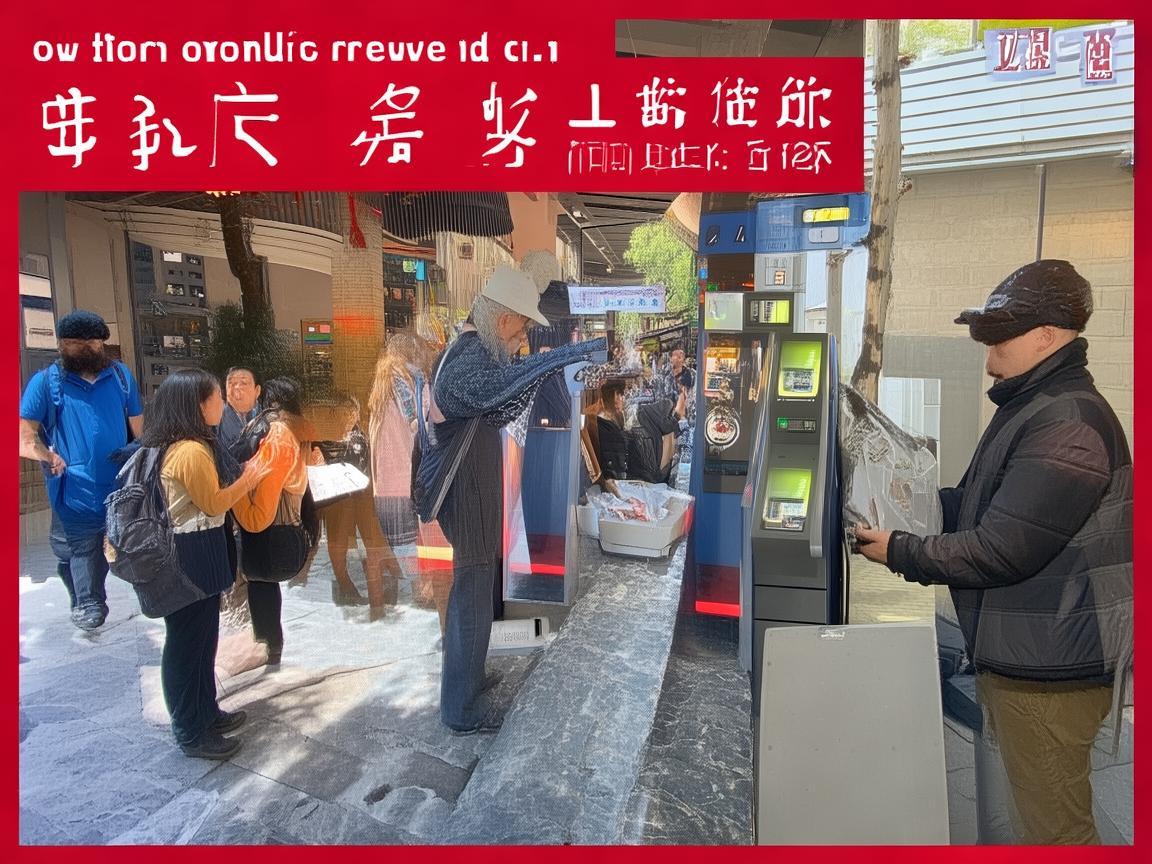
Navigating Payments in Xi’an: A Foreigner’s Practical Guide to China’s Economy Transfer
Option 1: Link International Cards to WeChat Pay/Alipay
This is the easiest way to start. Both apps allow foreign users to bind international credit/debit cards (Visa, Mastercard, JCB) for direct payments. Here’s how:
- For WeChat Pay: Open WeChat → Go to “Me” → “Services” → “Wallet” → “Payment Methods” → “Add Bank Card”. Enter your card details and verify via SMS (your international number works). Note: Some banks block overseas transactions for security, so inform your bank beforehand.
- For Alipay: Open Alipay → “Me” → “Payment Methods” → “Bank Cards” → “Add Bank Card”. Follow the prompts; you may need to upload a photo of your passport for verification.
Pro tip: Alipay’s “Overseas Users” section (in the app) has English guides and even a “Hangzhou Tour Card” for temporary visitors, which offers discounts.
Option 2: Bring Cash (But Not Too Much)
While digital payments reign, cash is still king in rural areas or with older vendors. Exchange currency at your home country (before flying) or at Xi’an Xianyang International Airport—avoid airport exchange counters if possible (they have poor rates); instead, use Bank of China or Industrial and Commercial Bank of China (ICBC) branches in the city (e.g., near the Bell Tower). ATMs accepting international cards are common, but withdrawal fees (around ¥30–50 per transaction) add up. I recommend carrying ¥500–1000 in small bills (¥10, ¥20, ¥50) for emergencies.
On the Ground: How to Pay Like a Local
Once in Xi’an, you’ll notice QR codes everywhere—stuck to shop doors, market stalls, even restaurant tables. These are for WeChat Pay or Alipay, and using them is simpler than it looks.
Everyday Scenarios: What to Use Where
- Street Food & Night Markets: Head to the Muslim Quarter (Huimin Street) for lamb skewers or biangbiang noodles. Vendors here often have two QR codes: one green (WeChat) and one blue (Alipay). If neither works, cash is your backup. I once tried paying for a jianbing (savory crepe) with WeChat, and the vendor, an elderly woman, laughed and pointed to her cash box—lesson learned: always have some ¥10 bills for small purchases.
- Restaurants & Cafes: Most modern restaurants (including chains like Starbucks) accept digital payments. Just open WeChat/Alipay, select “Scan to Pay,” and point your camera at the QR code. Some high-end places may add a 3% surcharge for card payments, so digital is cheaper.
- Transportation: Taxis are tricky—many drivers only take cash or use local ride-hailing apps like Didi (which requires a Chinese phone number). For subways and buses, buy a “长安通” (Chang’an Tong) card at any subway station (¥20 deposit + ¥20 top-up). It works on buses, subways, and even some convenience stores. Alternatively, use Alipay’s “Transportation Code” (in the “City Services” tab)—scan the QR code at subway gates, and it deducts fare automatically.
- Attractions: Major sites like the Terracotta Army or Big Wild Goose Pagoda accept card payments at ticket offices, but smaller museums or temples may only take cash. I’d recommend buying tickets online via Alipay or Trip.com (which accepts international cards) to skip lines and avoid cash hassles.
The “Red Envelope” Trick: Sending Money to Yourself
If you’re struggling to add funds to WeChat/Alipay (e.g., your bank blocks transactions), use the “red envelope” (hongbao) feature. A friend in China can send you money via WeChat, and you can “return” it to yourself as a red envelope—this acts as a top-up. If you don’t have friends in China, ask your hotel concierge; many are happy to help for a small fee (¥10–20).
Avoiding Pitfalls: Common Payment Mistakes
China’s digital economy moves fast, and foreigners often stumble on these issues:
- No Chinese Phone Number? No Problem: You can register WeChat/Alipay with your passport and international number, but some features (like peer-to-peer transfers) require a Chinese SIM. Solution: Buy a temporary SIM card at the airport (China Unicom or China Mobile offer “tourist packages” with data and a local number for ~¥50/week).
- QR Code Confusion: WeChat Pay’s QR code is green with a white “WeChat” logo; Alipay’s is blue with a white “Alipay” logo. Vendors often display both, so double-check—scanning the wrong one won’t work (but won’t cost you money).
- “Balance Too Low” Alerts: Both apps show your balance in real-time. If it’s low, top up via linked card or cash (you can add cash at Alipay “offline payment points” like convenience stores).
- Scams: Ignore unsolicited QR codes (e.g., on the street) promising “free gifts”—they may link to phishing sites. Only scan codes from official vendors or apps.
Economy Transfer: Why China’s Cashless Society Matters to You
China’s shift to digital payments (the “economy transfer”) is one of the most rapid in history. In Xi’an, even street sweepers use Alipay to collect tips! For tourists, this means fewer ATMs, less reliance on cash, and a more efficient travel experience—once you master the basics.
Fun fact: Alipay and WeChat Pay now support overseas bank cards directly, so you don’t need to exchange large amounts of cash. I once paid for a ¥30 bowl of yangrou paomo (mutton soup) with my Canadian Visa via Alipay—no hassle, no fees.
Final Tips: Pay with Confidence
By the end of my week in Xi’an, I was zipping through subway gates with Alipay, haggling at markets with cash, and even ordering takeout via WeChat. The key? Start small—test WeChat Pay at a convenience store (like 7-Eleven) before trying it at a busy restaurant. And remember: Chinese people are used to helping foreigners; if you look confused, a vendor or passerby will likely guide you.
Xi’an is a city where ancient history meets futuristic tech. Don’t let payment issues steal your time—prepare, stay flexible, and embrace the cashless revolution. Now, go enjoy that roujiamo—and worry more about the taste than the tab.
Xi’an Airport Transfer Service
Private English-speaking driver service in Xi’an operated directly by Bruce Zhang. 24/7 airport pickup and hotel transfer for foreign travelers.
Helpful for Your Trip in Xi’an
Navigating Xi’an’s Metro: A Foreigner’s Practical Payment Guide
2026-07-27Navigating Xi’an: A Tourist’s Guide to Mastering Mobile Payments in China
2026-07-27Navigating Xi’an Like a Local: My Digital Pay Survival Guide
2026-07-26Xi’an Travel Tips: Cash vs. QR Codes for Entrance Tickets——A Tourist’s Practical Guide
2026-07-25Alipay for Foreign Travelers in Xi’an: A Practical Setup Guide
2026-07-25How to Survive (and Thrive) in Xi’an: A Tourist’s Guide to Digital Transactions
2026-07-24Navigating Theme Park Payments in Xi’an: A Traveler’s Practical Guide
2026-07-24Xi’an’s Convenience Stores: Your Go-To for Easy Travel Payments
2026-07-23My Cash Backup Strategy for Traveling in China: A Tourist’s Practical Guide
2026-07-22Emergency Payments in Xi’an: A Foreign Traveler’s Practical Guide
2026-07-22