

Navigating Xi’an Night Markets: A Traveler’s Payment Guide
First night in Xi’an, and I’m buzzing with excitement. The air smells of cumin grilled lamb skewers and sweet persimmon cakes, and the narrow lanes of the Muslim Quarter are buzzing with vendors hawking everything from hand-painted masks to steaming bowls of roujiamo (Chinese hamburgers). But as I reach for my wallet to buy a skewer, the vendor shakes his head and points to a QR code. “Weixin or Alipay,” he says, gesturing to his phone. My stomach drops. I’d assumed cash would be king here, but suddenly, I’m standing there with a fistful of yuan and no idea how to pay. Sound familiar? If you’re planning a trip to Xi’an’s night markets, this guide—born from my own trial and error—will help you skip the stress and dive straight into the delicious chaos.
Cash: Still King (But Not the Only Ruler)
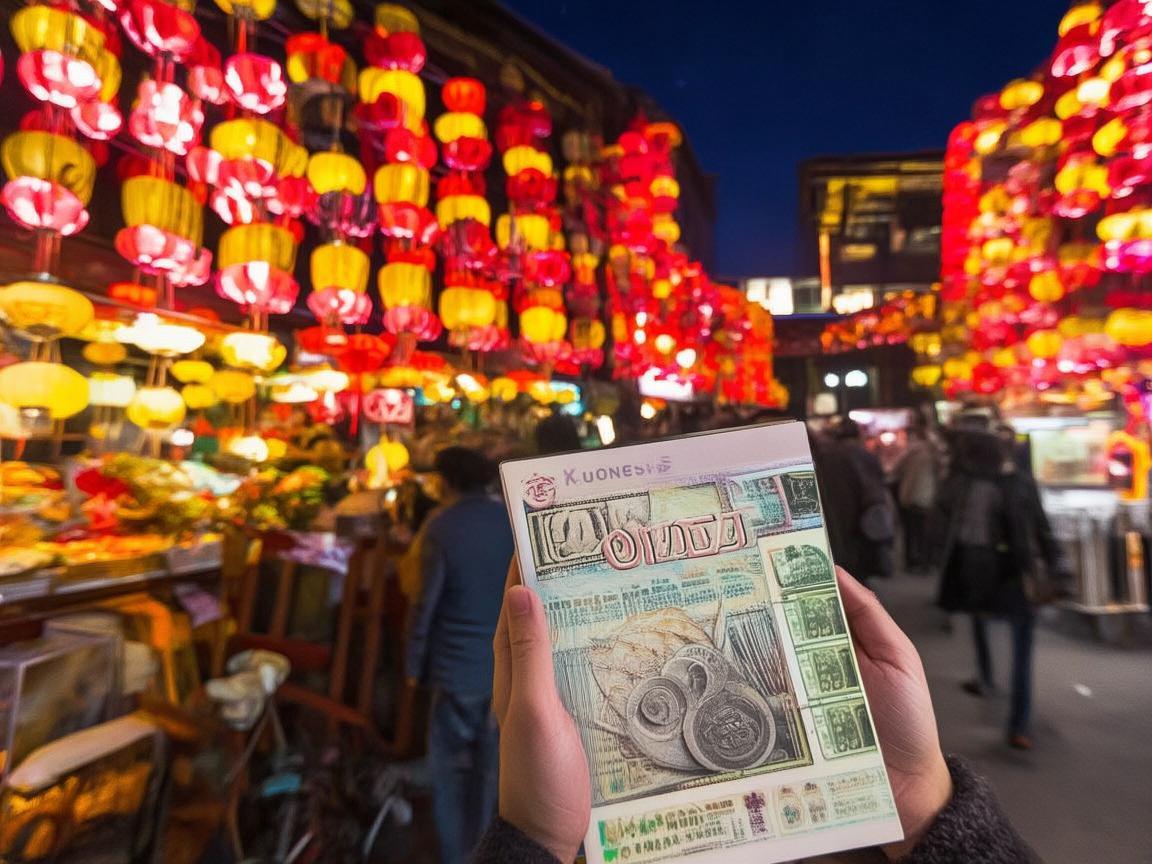
Let’s start with the basics: always carry cash. While big cities like Shanghai or Beijing are nearly cashless, Xi’an’s night markets—especially smaller stalls in places like the Muslim Quarter (Huimin Street) or Beilin District—are filled with elderly vendors or family-run shops that prefer cash. Why? Some don’t use smartphones for payments, and others worry about network issues (more on that later).
Navigating Xi’an Night Markets: A Traveler’s Payment Guide
How much cash to bring? Start with small bills: 1, 5, 10, and 20 yuan notes. Vendors rarely have change for 100 or 50 yuan notes, so avoid those unless you’re buying a pricier item (like a silk scarf or a handcrafted clay figurine). Pro tip: Break larger bills at a convenience store (like 7-Eleven or FamilyMart) or a hotel front desk—they’re always happy to help, and you’ll get a stack of smaller bills for market runs.
Where to exchange money? Skip airport exchange counters (rates are terrible). Instead, head to a Bank of China or ICBC branch downtown—they offer better rates, and you can exchange USD, EUR, or other major currencies. If you forget, don’t panic: most hotels and some large shops will exchange small amounts, but expect a fee.
Mobile Payments: WeChat Pay & Alipay (And How to Set Them Up)
If cash is king, mobile payments are the crown prince. In Xi’an, everyone uses WeChat Pay (微信支付) or Alipay (支付宝)—from street food vendors to taxi drivers. But as a foreigner, setting these up can feel like decoding rocket science. Here’s how I did it:
Option 1: Link Your International Credit Card (Easiest Method)
Both WeChat Pay and Alipay now let you bind foreign credit cards (Visa, Mastercard, Amex). Here’s the step-by-step for WeChat Pay (Alipay is similar):
- Download the WeChat app (if you don’t have it) and create an account (use your phone number + a verification code).
- Go to “Me” → “Services” → “Wallet” → “Payment Methods” → “Add Bank Card.”
- Enter your credit card details (name, card number, expiry date, CVV).
- Verify the card with a one-time password (OTP) sent by your bank.
Important: Some banks block international transactions in China, so call your bank beforehand to let them know you’ll be using your card in Xi’an. I learned this the hard way when my card was declined three times in a row!
Option 2: Use a “Tour Pass” (No Chinese Bank Account Needed)
If linking your card is a hassle, consider a service like WeChat Pay Travel Pass or Alipay’s “Tour Card”. These are designed for tourists:
- For WeChat Pay: Go to “Wallet” → “Travel Pass” → “Add Tour Pass.” You’ll need to upload your passport photo and a selfie for verification. It takes 1-2 days to approve, but once done, you can top up with your international card and use it like a regular WeChat Pay balance.
- For Alipay: Look for “Tour Card” in the “My” tab. Similar process—upload docs, top up, and go.
Option 3: Ask a Local to “Transfer” You (Last Resort)
If all else fails, ask a friendly local (your hotel concierge, a new friend at a restaurant) to help. Here’s how it works:
- They send you money via WeChat Pay/Alipay (you’ll need to show them your QR code).
- You give them cash in return.
I did this on my first night—a kind shop owner in the Muslim Quarter sent me 50 yuan, and I handed her 50 yuan in cash. It’s a quick fix, but try to avoid it; it’s a bit awkward to ask strangers for favors repeatedly.
The QR Code Dance: How to Pay at a Stall
So you’ve got cash and mobile set up—now what? At night markets, every vendor has two QR codes taped to their stall: one for WeChat Pay (green) and one for Alipay (blue). Here’s how to pay without fumbling:
- Show your QR code: Open WeChat Pay or Alipay, tap “QR Code” (it’s usually on the home screen), and show the vendor your screen.
- Let them scan: The vendor will scan your code with their phone—you don’t scan theirs. (This is a common mistake! I once tried to scan a vendor’s code and got a confused stare.)
- Confirm the amount: The vendor will enter the price on their end, and your phone will pop up a confirmation screen. Double-check the amount before you hit “Confirm.”
What if the network is down? Xi’an’s night markets can get crowded, and 4G/Wi-Fi might spotty. If your app loads slowly, just switch to cash—vendors won’t mind. I always keep at least 100 yuan in my pocket for emergencies.
Payment Pitfalls to Avoid
After a week of exploring Xi’an’s night markets, I’ve made enough mistakes to fill a guidebook. Here’s what to watch out for:
Beware of “Fake” QR Codes
Scammers sometimes swap a vendor’s QR code with their own. To avoid this:
- Always pay at the stall, not from a distance.
- Check the vendor’s name on the QR code—does it match their stall name? (e.g., “李记肉夹馍” should match the name on the code.)
- If a vendor seems pushy about using a specific QR code (especially one they “hold up” instead of taping to their stall), walk away.
No Tipping!
In China, tipping is not customary—at all. Vendors will either refuse the tip or think you’re confused. I once left an extra 5 yuan for a woman who made me amazing biangbiang noodles, and she chased me down the street to give it back! Just pay the exact amount, and you’ll be fine.
Bargaining: Cash vs. Mobile
Bargaining is common at night markets, especially for souvenirs (like silk, jade, or handcrafts). Here’s the rule:
- For small items (snacks, trinkets): Fixed price. No bargaining.
- For larger items (clothes, crafts): Bargaining is expected. But here’s the catch—some vendors prefer cash for bargaining because it’s instant. If you try to use mobile pay, they might hold out for a higher price. My advice: If you’re bargaining, bring cash; it’s easier to haggle when you’re handing over physical bills.
Watch for “Hidden Fees”
Most night market stalls are straightforward, but a few touristy spots (like the main entrance of the Muslim Quarter) might overcharge foreigners. For example, a bottle of water should cost 2-3 yuan, but some vendors might try to charge 5. If the price seems too high, politely say “太贵了” (tài guì le—too expensive) and walk away. There’s always another stall selling the same thing for less.
My Top 3 Xi’an Night Markets (and Payment Tips for Each)
Not all night markets are the same. Here’s my breakdown of the best ones and how to pay there:
Muslim Quarter (Huimin Street)
- What to buy: Roujiamo, lamb skewers, pancake with eggs, dried fruit.
- Payment tip: Cash is king here. Many elderly vendors don’t use mobile payments, so have small bills ready. The stalls near the Great Mosque are more touristy—some accept mobile pay, but cash is safer.
Beilin Night Market (Near the Giant Wild Goose Pagoda)
- What to buy: Biangbiang noodles, shaobing (sesame bread), calligraphy souvenirs.
- Payment tip: More modern than the Muslim Quarter. Most stalls accept WeChat/Alipay, but a few still prefer cash. I’d recommend splitting your payment—use mobile for food, cash for crafts.
Shuyuanmen Cultural Street (Near the City Wall)
- What to buy: Traditional Chinese medicine snacks, hand-painted fans, tanghulu (candied hawthorns).
- Payment tip: This is a mix of touristy and local. Vendors near the city wall entrance are used to foreigners and accept mobile pay, but the deeper you go into the lanes, the more cash you’ll need. Pro tip: The tanghulu stall at the end of the street only takes cash—stock up on 10 yuan notes!
Final Thoughts: You’ve Got This!
By my third night in Xi’an, I was a pro—paying for skewers with WeChat, haggling over jade with cash, and even teaching a vendor how to use Alipay (she was so grateful she gave me a free youtiao!). The key is to come prepared: cash for small bills, mobile pay for convenience, and a sense of humor when things go wrong.
Xi’an’s night markets are more than just food—they’re a feast for the senses, a window into local life, and a place where strangers become friends over shared plates of noodles. Don’t let payment stress ruin the fun. With this guide, you’ll spend less time worrying about yuan and more time eating, exploring, and making memories.
Now go—grab a skewer, scan that code, and dive in. The night markets are waiting.
Xi’an Airport Transfer Service
Private English-speaking driver service in Xi’an operated directly by Bruce Zhang. 24/7 airport pickup and hotel transfer for foreign travelers.
Helpful for Your Trip in Xi’an
Navigating Xi’an’s Metro: A Foreigner’s Practical Payment Guide
2026-07-27Navigating Xi’an: A Tourist’s Guide to Mastering Mobile Payments in China
2026-07-27Navigating Xi’an Like a Local: My Digital Pay Survival Guide
2026-07-26Xi’an Travel Tips: Cash vs. QR Codes for Entrance Tickets——A Tourist’s Practical Guide
2026-07-25Alipay for Foreign Travelers in Xi’an: A Practical Setup Guide
2026-07-25How to Survive (and Thrive) in Xi’an: A Tourist’s Guide to Digital Transactions
2026-07-24Navigating Theme Park Payments in Xi’an: A Traveler’s Practical Guide
2026-07-24Xi’an’s Convenience Stores: Your Go-To for Easy Travel Payments
2026-07-23My Cash Backup Strategy for Traveling in China: A Tourist’s Practical Guide
2026-07-22Emergency Payments in Xi’an: A Foreign Traveler’s Practical Guide
2026-07-22