

Navigating Xi’an’s Mall Payment Systems: A Tourist’s Practical Guide
Landing in Xi’an, I was buzzing with excitement—ancient city walls, terracotta warriors, and those legendary roujiamo sandwiches! But within my first hour at a bustling mall near the Bell Tower, reality hit: I stood in front of a cashier, wallet in hand, and froze. “We only take Alipay or WeChat Pay,” she said, smiling politely. My heart sank. I’d brought cash, sure, but what about the rest of my trip? Could I really rely on bills alone in a city where even street vendors seemed glued to their phones?
If you’re heading to Xi’an, let me save you that panic. Over two weeks of exploring malls, markets, and museums, I learned the ins and outs of its payment systems—what works, what doesn’t, and how to glide through transactions like a local. Here’s your no-fuss guide.
First Things First: Cash Isn’t King (But It’s Still Useful)
I’ll start with the obvious: Xi’an is digital. Even in smaller shops, cash is becoming a backup, not the main event. On my first day, I tried to pay for a bottle of water at a mall convenience store with 10 RMB, and the cashier waved it away. “Scan this,” she said, pointing to a QR code for WeChat Pay. Oops.
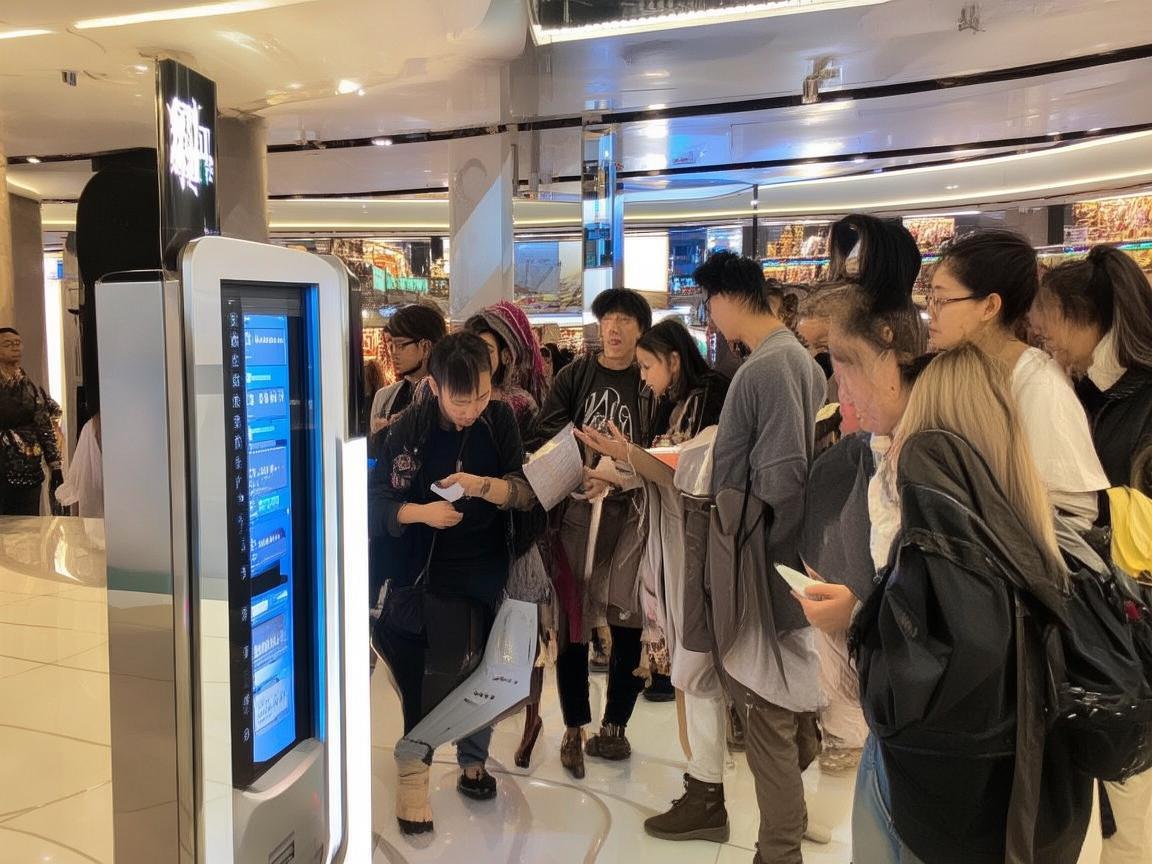
Navigating Xi’an’s Mall Payment Systems: A Tourist’s Practical Guide
Lesson learned: Bring some cash (small bills, like 20 or 50 RMB) for emergencies—think street food stalls in Muslim Quarter or tiny shops with no digital setup. But don’t rely on it for malls. Most big retailers—from fashion brands to electronics stores—won’t take cash, especially if you’re buying more than 100 RMB worth.
The Big Two: Alipay and WeChat Pay (And How to Use Them)
If cash is the backup, Alipay and WeChat Pay are the stars. These two apps dominate Xi’an’s payment scene, and honestly? They’re way more convenient than carrying a wallet. But as a foreign tourist, setting them up feels like decoding a puzzle at first. Here’s how I cracked it.
Alipay: The “Bank Account” App
Alipay is like a supercharged digital wallet linked to your bank account. I downloaded it (English version available!) and followed the steps to sign up with my passport. The tricky part? Adding money. At first, I tried linking my foreign credit card—nope, blocked for security. Then I remembered reading about “recharge cards.”
Pro tip: Go to a Bank of China or ICBC branch in a big mall (like the one at South Gate Plaza). They sell “Alipay Recharge Cards” with denominations from 100 to 500 RMB. You pay with cash or a foreign card, get a code, and enter it in Alipay to top up. Boom— instant balance. I did this twice, and it worked like a charm.
At malls, just open Alipay, tap “扫一扫” (Scan), and point your camera at the store’s QR code. The amount pops up, confirm with your fingerprint or password, and done. No fumbling with cards, no waiting for signatures.
WeChat Pay: The “Social” App
WeChat Pay is built into WeChat (China’s WhatsApp/Instagram hybrid), so if you use WeChat to message friends, you’re halfway there. Setting it up is similar to Alipay, but with a twist: you can link a foreign credit card if your bank supports international transactions (mine, Chase, did after I called to unlock it).
Here’s where WeChat shines for tourists: “WeChat Pay HK” lets you add Hong Kong dollars or USD, then convert to RMB at a decent exchange rate. I did this at a mall in Qujiang and saved 2% compared to the airport exchange rate.
In stores, tap “收付款” (Receive/Pay) → “扫一扫” (Scan), and scan the store’s QR code. The best part? WeChat Pay shows your recent transactions, so I could track my mall spending in real-time—no more wondering, “Did I really spend 300 RMB on that silk scarf?”
International Cards: When to Use Them (And When Not To)
Before Xi’an, I assumed my Visa would work everywhere. Wrong. At a luxury mall in High-tech Zone, I tried to buy a pair of sneakers with my card—declined. “We take UnionPay only,” the cashier said. UnionPay is China’s domestic card system, and while some international malls accept Visa/Mastercard, most don’t.
UnionPay tip: If your bank back home issues UnionPay cards (like some in Australia or Singapore), bring them. Otherwise, skip it. For international cards, stick to high-end malls (like SKP Xi’an or Galaxy) or hotel gift shops. Even then, always ask first: “Do you take Visa?”
Credit card vs. debit: I used my debit card at a Bank of China ATM inside a mall to withdraw cash (with a 50 RMB fee—ouch). For big purchases, like a jade bracelet, I paid in cash after the merchant agreed (they preferred it to avoid transaction fees).
Mall-Specific Payment Quirks (Because Every Mall’s Different)
Xi’an’s malls range from ultra-modern to traditional, and their payment systems reflect that. Here’s what I learned:
-
Big Malls (e.g., Century Ginwa, Softe City): These are digital-friendly. Every store has Alipay/WeChat QR codes, and customer service desks can help you top up apps (some even sell recharge cards). I bought a phone case at Softe City—scanned WeChat, paid 80 RMB, and got a digital receipt instantly.
-
Traditional Malls (e.g., Muslim Quarter Bazaar): Cash reigns here. I tried to pay for a handmade calligraphy scroll with Alipay, and the vendor just pointed to a “Cash Only” sign. Lesson learned: bring small bills for markets and smaller malls.
-
Tourist Trap Malls (e.g., Near Terracotta Warriors): Some overcharge for souvenirs and only take cash. I learned this the hard way when a “discount” tea set cost 500 RMB—cash only. Always ask about payment before agreeing to buy.
Troubleshooting: What to Do When Payments Fail
Even with the best prep, things go wrong. Here’s how I fixed common issues:
-
“Payment failed” error: This usually means low balance or poor signal. Malls have free Wi-Fi (connect to “Mall_Free_WiFi”), but it’s slow. I switched to my phone’s data (bought a 30 RMB/GB tourist SIM at Xi’an Airport—worth it!).
-
Can’t find a QR code: Look for a small sign with “支付宝” (Alipay) or “微信支付” (WeChat Pay) near the register. If there’s no sign, ask a staff member—they’ll often scan your code instead (yes, really!).
-
Forgot to top up: No panic! Most malls have ATMs (Bank of China, ICBC) that let you withdraw cash with a foreign card. I did this at a mall in Qujiang when my Alipay balance hit zero.
Final Tips: Pay Like a Local
By the end of my trip, I was zipping through payments like a Xi’an local. Here’s my cheat sheet:
- Download Alipay and WeChat Pay before you arrive. The app stores in China are blocked, so you can’t download them there.
- Bring a small power bank. Scanning codes drains battery fast, and most malls have charging ports, but why wait?
- Learn basic phrases: “Wǒ yòng zhīfùbǎo” (I use Alipay) or “Wǒ yòng wēixìn” (I use WeChat). Cashiers appreciate the effort!
- Keep 200 RMB in cash for emergencies. Street food, taxis, and tiny shops will save you.
Xi’an’s payment system is a mix of cutting-edge tech and old-school practicality. It’s frustrating at first, but once you get the hang of Alipay and WeChat Pay, you’ll love how seamless it is. No more digging for coins, no more worrying about card fraud—just scan, tap, and enjoy your baozi in peace.
Safe travels, and happy spending!
Xi’an Airport Transfer Service
Private English-speaking driver service in Xi’an operated directly by Bruce Zhang. 24/7 airport pickup and hotel transfer for foreign travelers.
Helpful for Your Trip in Xi’an
Navigating Xi’an’s Metro: A Foreigner’s Practical Payment Guide
2026-07-27Navigating Xi’an: A Tourist’s Guide to Mastering Mobile Payments in China
2026-07-27Navigating Xi’an Like a Local: My Digital Pay Survival Guide
2026-07-26Xi’an Travel Tips: Cash vs. QR Codes for Entrance Tickets——A Tourist’s Practical Guide
2026-07-25Alipay for Foreign Travelers in Xi’an: A Practical Setup Guide
2026-07-25How to Survive (and Thrive) in Xi’an: A Tourist’s Guide to Digital Transactions
2026-07-24Navigating Theme Park Payments in Xi’an: A Traveler’s Practical Guide
2026-07-24Xi’an’s Convenience Stores: Your Go-To for Easy Travel Payments
2026-07-23My Cash Backup Strategy for Traveling in China: A Tourist’s Practical Guide
2026-07-22Emergency Payments in Xi’an: A Foreign Traveler’s Practical Guide
2026-07-22