

Navigating Xi’an’s Ticketing Payment System: A Traveler’s Practical Guide
First things first: Xi’an is amazing. The Terracotta Army, the Muslim Quarter’s street food, the ancient city wall at sunset—I’ve been dreaming of this trip for years. But landing at Xi’an Xianyang International Airport, I’ll admit, I was a little overwhelmed. Not by the history or the food (though those are overwhelming in the best way), but by the logistics: How do I actually pay for things here?
Back home, I’m used to tapping my phone or card for everything. But in Xi’an, I quickly learned that the ticketing and payment system is a mix of super-convenient modern tech and… well, some old-school quirks. After a week of trial, error, and way too many confused stares at payment terminals, I’ve put together this guide to help you skip the stress and focus on the fun.
Part 1: The Golden Rule – Mobile Payment is King (But Have a Backup)
Let’s start with the big one: China is a cashless society. Like, really cashless. I arrived with a pocketful of RMB (yuan) just in case, but I barely touched it. Almost every ticket—whether for the Terracotta Army, a bus ride, or even a bowl of noodles—was paid for via my phone.
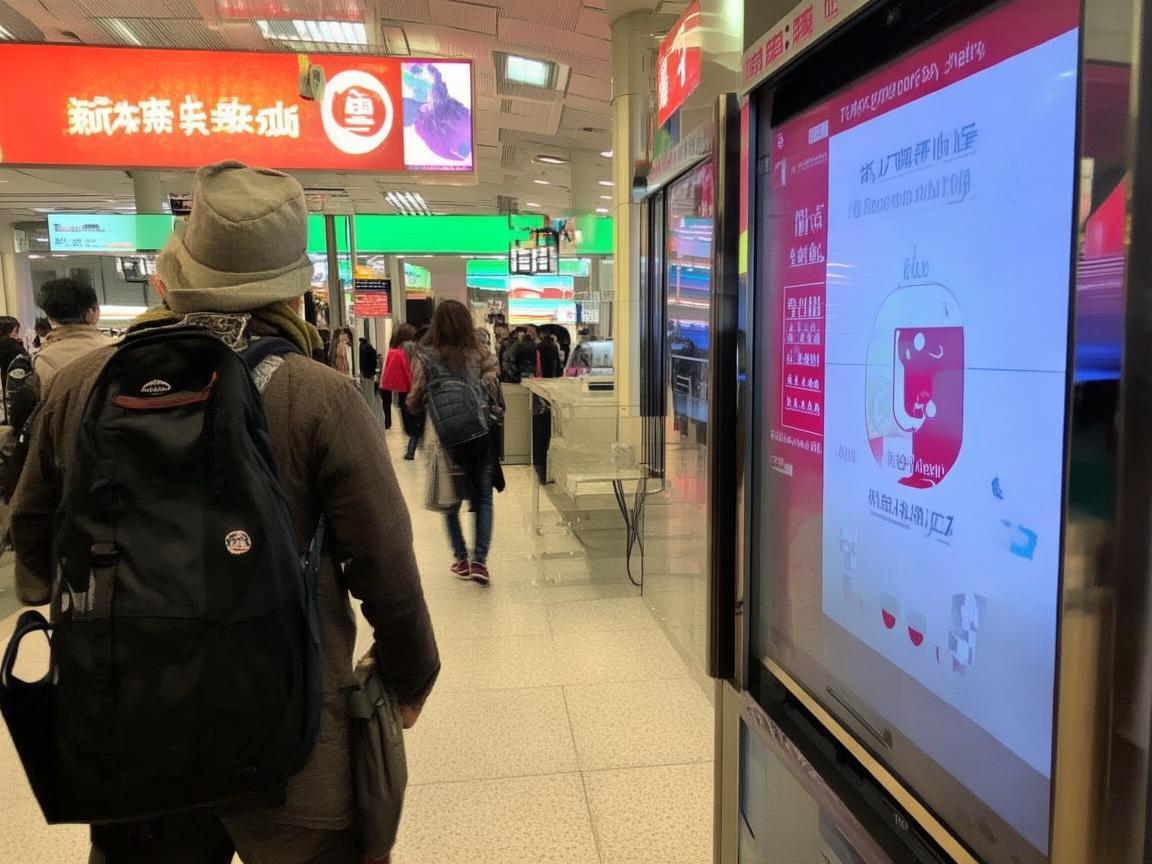
Navigating Xi’an’s Ticketing Payment System: A Traveler’s Practical Guide
Your Two Best Friends: Alipay and WeChat Pay
If you’re a foreign traveler, you’ll need to set these up before you leave, or you’ll be stuck. Here’s how:
-
Alipay: This is like PayPal’s cooler, more tech-savvy cousin. Download the app, link an international credit/debit card (Visa, Mastercard, etc.—Amex can be tricky), and verify your identity. For tourists, Alipay has a “Tour Pass” feature that lets you add a virtual card to your phone wallet. I used this for metro rides and small purchases; it’s fast and works almost everywhere.
-
WeChat Pay: If you use WeChat (which most Chinese people do for everything—chatting, paying, ordering food), you can link your card here too. I found Alipay slightly easier for tourists, but WeChat is great if you’re making friends with locals (they’ll often send you money via WeChat to split meals, etc.).
Pro tip: Screenshots don’t work. I tried taking a screenshot of my QR code to save battery, but most places require the live code from the app. Don’t be like me—keep the app open!
Part 2: Buying Attraction Tickets – Skip the Lines, Book Online
Xi’an’s top attractions (Terracotta Army, Big Wild Goose Pagoda, City Wall, etc.) get crowded. Like, “queue for 2 hours just to buy a ticket” crowded. The solution? Book everything online in advance. Here’s how:
Official Channels Are Your Best Bet
Most attractions have their own mini-programs on WeChat or Alipay. For example:
- Terracotta Army: Search for “秦始皇陵博物院” (Qinshihuang Mausoleum) on WeChat. You can pick your date and time slot (critical—weekends sell out fast!), pay via Alipay/WeChat, and get an e-ticket. Just show your ID and the QR code at the entrance—no printing needed!
- City Wall: Use the “西安城墙” (Xi’an City Wall) mini-program. I booked a “+ bicycle” ticket (you can cycle the wall—highly recommended!) for 45 RMB, way cheaper than buying on-site.
Third-Party Apps? Use with Caution
I tried Trip.com and Klook for a smaller temple, and they worked fine, but always check the official site first. Some third-party sites add hidden fees or sell “combo tickets” that aren’t worth it.
What if you forget to book? Don’t panic! Most attractions have on-site ticket machines that accept mobile payments. I did this for the Shaanxi History Museum (which is free but requires a timed ticket)—the machine let me scan my Alipay code and get a ticket in 2 minutes. Just be prepared to wait in line if you go on a weekend.
Part 3: Getting Around – Metro, Buses, and Taxis
Xi’an’s public transport is clean, cheap, and efficient. But paying for it? A little confusing at first.
Metro: The Easiest Option
The metro is my go-to for getting around. You can pay two ways:
- Mobile QR Code: Open Alipay or WeChat, search for “乘车码” (chéngchē mǎ, or “ride code”), and select “Xi’an Metro.” The app will generate a QR code—just scan it at the gate when you enter and exit. The fare is automatically deducted (usually 2-8 RMB depending on distance).
- Physical Card: If you’re staying a while, buy a “Yikatong” card (一卡通) at any metro station. It costs 18 RMB (17 RMB refundable deposit + 1 RMB for the card) and works on metro and buses. I didn’t bother, since the mobile code was easier.
Note: Metro stations have no Wi-Fi, so download your QR code before you go down the stairs. I learned this the hard way after getting stuck in a tunnel with no signal.
Buses: Cashless, But… Tricky
Buses are great for seeing the city, but they don’t accept cash. Only mobile QR codes or Yikatong cards work. The QR code system for buses is separate from the metro—you’ll need to get a “公交码” (gōngjiāo mǎ, “bus code”) in the apps. I missed my stop once because I was too busy staring at the map—keep an eye on the stops listed inside the bus!
Taxis: Cash or Mobile, But Bargain a Little
Taxis are cheap in Xi’an (starting at 13 RMB), but drivers don’t always speak English. I used two methods:
- Mobile Payment: Most taxis have a QR code inside. Just tell the driver your destination (show it on Google Maps—download offline maps first!), and when you arrive, scan the code to pay via Alipay/WeChat.
- Cash: If your phone dies, have small bills (10s, 20s) ready. Drivers often don’t have change for 100 RMB notes.
Warning: Some drivers might try to overcharge tourists. Always check that the meter is running, and if they refuse, hop out—there are plenty of taxis.
Part 4: The “Oops” Moments – What to Do When Tech Fails
Even with the best planning, things go wrong. Here’s how I fixed common hiccups:
- Phone Dies: Power banks are non-negotiable. I carried a 10,000mAh one everywhere—charging stations are rare in attractions.
- No Signal: Download offline maps (Google Maps works with offline data, or use Baidu Maps, which is more popular in China). For tickets, save e-tickets as PDFs so you can show them without internet.
- “WeChat Pay Doesn’t Accept My International Card”: This happened to me on my first day. The fix? Link a Chinese bank account (if you have one) or use a “tourist wallet” service like Trip.com’s “Pay in Your Currency” feature, which lets you pay in USD and converts to RMB automatically.
Final Tips for a Smooth Ride
- Bring a Little Cash: Just 200-300 RMB in small bills for emergencies (street vendors, tiny shops that don’t take mobile payments).
- Learn Basic Phrases: “手机支付” (shǒujī zhīfù, “mobile payment”) and “微信支付” (Wēixìn zhīfù, “WeChat pay”) go a long way. Smiling and pointing at your phone works too!
- Ask for Help: Chinese people are incredibly friendly. If you’re stuck at a ticket machine, just tap someone on the shoulder and say, “你好,请问怎么支付?” (Nǐ hǎo, qǐngwèn zěnme zhīfù?—“Hi, how do I pay?”). They’ll almost always help.
Xi’an is a city where ancient history meets futuristic tech, and its payment system is no exception. Once you get the hang of mobile tickets and QR codes, you’ll feel like a local—leaving you more time to marvel at the Terracotta Warriors, devour roujiamo (Chinese burgers), and bike along the city wall at sunset.
Trust me, by the end of your trip, you’ll be paying for noodles with your phone like a pro. Now go—there’s a lot to see!
Xi’an Airport Transfer Service
Private English-speaking driver service in Xi’an operated directly by Bruce Zhang. 24/7 airport pickup and hotel transfer for foreign travelers.
Helpful for Your Trip in Xi’an
Navigating Xi’an’s Metro: A Foreigner’s Practical Payment Guide
2026-07-27Navigating Xi’an: A Tourist’s Guide to Mastering Mobile Payments in China
2026-07-27Navigating Xi’an Like a Local: My Digital Pay Survival Guide
2026-07-26Xi’an Travel Tips: Cash vs. QR Codes for Entrance Tickets——A Tourist’s Practical Guide
2026-07-25Alipay for Foreign Travelers in Xi’an: A Practical Setup Guide
2026-07-25How to Survive (and Thrive) in Xi’an: A Tourist’s Guide to Digital Transactions
2026-07-24Navigating Theme Park Payments in Xi’an: A Traveler’s Practical Guide
2026-07-24Xi’an’s Convenience Stores: Your Go-To for Easy Travel Payments
2026-07-23My Cash Backup Strategy for Traveling in China: A Tourist’s Practical Guide
2026-07-22Emergency Payments in Xi’an: A Foreign Traveler’s Practical Guide
2026-07-22