

Navigating Xians Tourism Payment Ecosystem: A Travelers Practical Guide
Landing in Xi’an for the first time, I was buzzing with excitement—the Terracotta Army, the Muslim Quarter, the ancient city walls… But within an hour of arriving, a very practical question hit me: How on earth do I pay for things here? I’d heard China was a cashless society, but as a foreign tourist with a limited understanding of local apps and payment systems, I was nervous about getting stranded. Fast forward a week, and I’d figured out the ropes (and survived a few payment mishaps along the way). If you’re heading to Xi’an, let me break down its tourism payment ecosystem—what works, what doesn’t, and how to navigate it like a pro.
First Things First: Prepare Before You Land
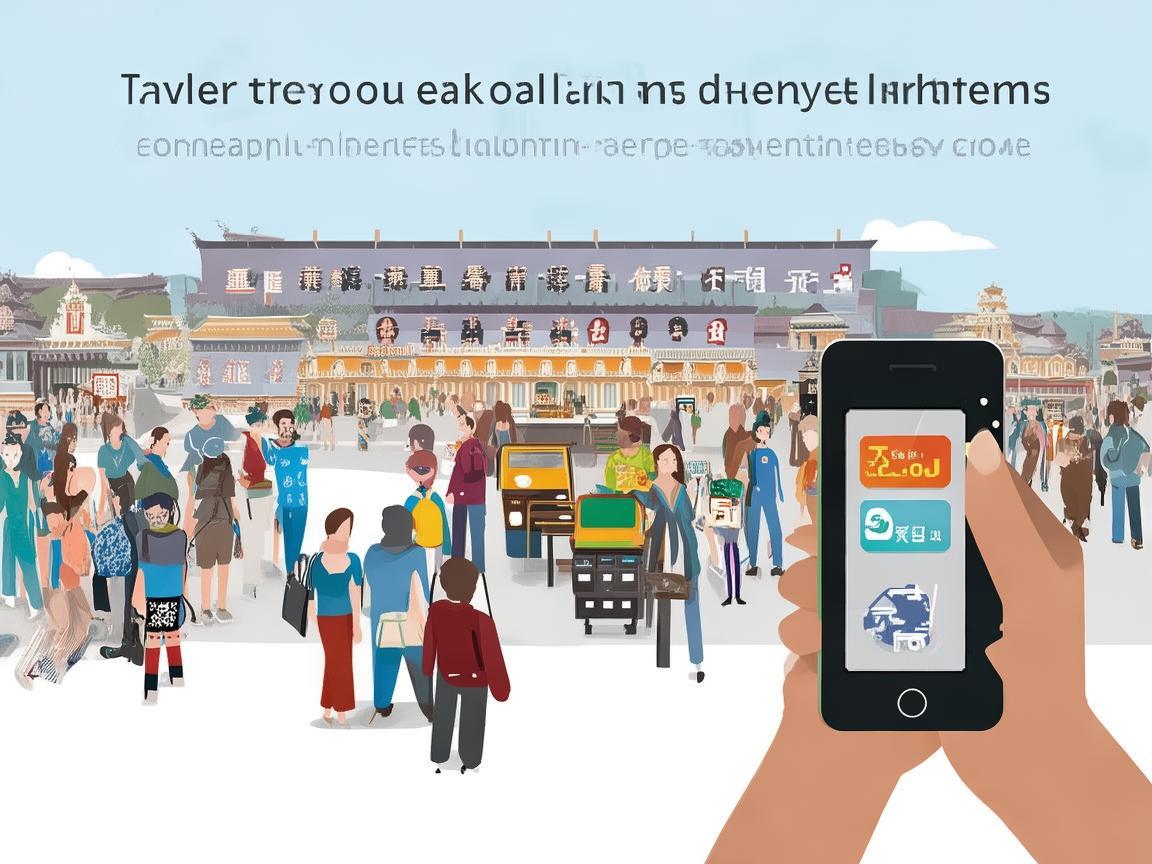
Xi’an’s payment ecosystem is split between digital wallets (dominated by WeChat Pay and Alipay), bank cards (especially UnionPay), and good old cash. As a foreigner, your biggest hurdle will be setting up digital payments, since most require a Chinese bank account or phone number. Here’s what to do before you go:
Navigating Xians Tourism Payment Ecosystem: A Travelers Practical Guide
- Download Global Payment Apps: If you’re from Hong Kong, Macau, or Southeast Asia, AlipayHK and WeChat Pay International are lifesavers. I linked my Singapore credit card to AlipayHK before leaving, and it worked at most big stores, restaurants, and even some metro stations. For travelers from other regions, apps like Revolut or Wise (which support virtual UnionPay cards) can also help, but coverage is spottier.
- Bring Cash (But Not Too Much): While cash is less common, you’ll still need it for small vendors, night market stalls, or rural attractions near Xi’an. I exchanged $200 USD at Xi’an Xianyang International Airport’s currency counter—rates are decent, and it’s convenient for immediate needs. Pro tip: Ask for small bills (10s, 20s, 50s); vendors often struggle with change for 100s or 200s.
- Inform Your Bank: Let your home bank know you’re traveling in China. I forgot to do this, and my card got frozen twice—once at a 7-Eleven and once when trying to buy metro tickets. A quick call to my bank (via WhatsApp) fixed it, but it’s a hassle you can avoid.
On-the-Ground: Digital Payments in Action
Once you’re in Xi’an, digital payments are king. Even street food vendors and rickshaw drivers often have QR codes stuck to their carts. But how do you use them as a foreigner?
WeChat Pay & Alipay: The Dynamic Duo
Nearly every business in Xi’an—from the Starbucks near the Bell Tower to a tiny noodle shop in the Muslim Quarter—accepts WeChat Pay or Alipay. For tourists, the easiest way is to use “Travel Mode” or “Temporary Payment” features:
- WeChat Pay: Go to “Me” → “Services” → “Wallet” → “Travel Mode.” This lets you use your foreign card (Visa/Mastercard) to top up a temporary wallet. I used this to pay for a taxi from the airport to my hotel—smooth and seamless.
- Alipay: Open the app, tap “Travel” in the top corner, and select “Pay with Foreign Cards.” I linked my Australian debit card here and used it at the Terracotta Army ticket office (they accepted both Alipay and cash).
Heads up: Some smaller vendors might not recognize “Travel Mode” and will insist on cash or a local card. Don’t panic—just smile, say “xièxie” (thanks), and move to the next stall. Most are patient, especially if you point to their QR code and ask, “Zhè ge kěyǐ ma?” (Can I use this?).
QR Codes: Scan, Pay, Repeat
In Xi’an, QR codes are everywhere—stuck to tables, shop counters, even fruit carts. There are two types:
- Alipay QR: Green with a white “Alipay” logo.
- WeChat Pay QR: Blue with a green “WeChat” logo.
To scan, simply open the app’s camera (WeChat Pay and Alipay both have built-in QR scanners). I learned the hard way: Always check which app the vendor uses! Once, I scanned a WeChat code with Alipay and got an error—luckily, the vendor just had me try again with the right app.
Pro tip: Keep both apps open when paying. Vendors usually have their preferred QR code visible, but if not, just ask: “Wēixìn hái shì Zhīfùbǎo?” (WeChat or Alipay?). Most will point and laugh—it’s a common interaction!
Transportation: Getting Around Without Cash
Xi’an’s public transport system is super tourist-friendly, and you can pay for almost everything digitally.
Metro & Bus
- Metro: Buy tickets at machines (cash or UnionPay cards) or use a QR code. I downloaded the “Xi’an Metro” app, which let me generate a QR code for entry—no need to stand in line! For buses, just scan WeChat Pay or Alipay at the fare box (it’s ¥5 per ride, regardless of distance).
- Taxis & Didi: Taxis in Xi’an accept cash, but drivers often prefer digital payments. I used Didi (China’s Uber) most—it’s cheaper than taxis, and you can pay via WeChat Pay or Alipay within the app. Just make sure to set your pickup location correctly (I once got picked up from the wrong hotel exit because I typed “Bell Tower” instead of the specific address).
Bikes & E-Scooters
Xi’an has tons of shared bikes (Meituan, HelloBike) and e-scooters. I rented a HelloBike near the City Wall—just scan the QR code with Alipay or WeChat Pay, pay a ¥1 deposit, and off you go. They’re perfect for short trips, but watch out for bike lanes (some are shared with cars!).
Attractions: Tickets, Tours, and Hidden Fees
Xi’an’s top attractions are well-equipped for digital payments, but there are a few tricks to save time and money.
Major Sites: Terracotta Army, City Wall, etc.
- Online Booking: I bought my Terracotta Army tickets on Klook (a travel platform) using my credit card. It cost ¥120 (vs. ¥150 at the gate) and let me skip the long ticket line. You can also use Alipay’s “Travel” section to book directly—just search for “兵马俑” (Terracotta Army).
- On-Site Payments: Once inside, you’ll need cash or digital payments for extras. For example, renting an audio guide at the Terracotta Army costs ¥30, and the snack stand only took cash. I had a ¥50 bill, so no problem—but if you don’t, there’s an ATM near the entrance.
Smaller Attractions: Temples & Museums
Places like the Big Wild Goose Pagoda or the Shaanxi History Museum are cheaper (¥20-¥50) and often accept cash or UnionPay cards. I paid for my History Museum ticket with UnionPay—no issues. But for the Small Wild Goose Pagoda, the ticket booth only took cash, so glad I had some on hand!
Food & Shopping: From Night Markets to Supermarkets
Xi’an is a foodie paradise, and paying for meals is mostly digital—but there are exceptions.
Restaurants & Cafes
- Chains & Tourist Spots: Places like Starbucks or KFC accept WeChat Pay/Alipay without a hitch. I ate at a Muslim Quarter restaurant called “Defachang Roujiamo” (famous for its “Chinese hamburgers”) and scanned a WeChat code to pay—total was ¥35, including a bowl of liangpi (cold noodles).
- Local Eateries: Small family-run spots might still prefer cash. I found a tiny dumpling shop near the Bell Tower where the owner only took cash. Luckily, I had ¥20, so I got 10 delicious dumplings for ¥10. If you’re unsure, ask: “Shōu xiànjīn ma?” (Do you take cash?).
Night Markets: Muslim Quarter & Beilin Night Market
This is where cash reigns supreme. Vendors at the Muslim Quarter’s night market sell everything from grilled lamb skewers to tanghulu (candied hawthorns). Most don’t have QR codes, so bring small bills. I made the mistake of using a ¥100 bill for a ¥10 snack—got a pile of change in return, which was heavy to carry!
Pro tip: Bargaining is common at night markets, but only for non-food items (like souvenirs). For food, the price is fixed—just pay and enjoy!
Supermarkets & Convenience Stores
Places like RT-Mart or 7-Eleven accept UnionPay cards, WeChat Pay, and Alipay. I bought water, snacks, and a portable charger at a 7-Eleven near my hotel and paid with UnionPay—no problem. But if you only have Visa/Mastercard, stick to bigger chains; small local stores might not accept them.
Emergencies: What to Do If Payment Fails
Even with preparation, things can go wrong. Here’s how to handle common payment hiccups:
- No Cash? No Problem: ATMs are everywhere—banks (ICBC, China Construction Bank) and convenience stores (7-Eleven) have them. I used an ICBC ATM to withdraw cash with my UnionPay card; the fee was ¥15 per transaction, but worth it.
- Digital Payment Glitch: If WeChat Pay or Alipay isn’t working, don’t panic! Most vendors will let you try again or switch to cash. Once, my Alipay app froze while paying for a taxi— the driver just waited while I restarted my phone.
- Lost Card? Freeze It Immediately: Call your bank’s international hotline (save this in your phone before you go). I had to do this when I thought my card was lost—turns out I’d left it in my hotel room, but better safe than sorry!
Final Tips: Surviving Xi’an’s Payment Ecosystem
After a week in Xi’an, I realized the key to navigating its payment ecosystem is flexibility. Here’s my top advice:
- Carry Small Cash: Even if you’re a digital payment fan, keep ¥200-¥300 in small bills. You’ll need it for night markets, small vendors, or emergencies.
- Download Both WeChat Pay and Alipay: Some places only accept one, so having both saves time.
- Learn Basic Phrases: “Shōu xiànjīn ma?” (Do you take cash?), “Zhè ge kěyǐ ma?” (Can I use this?), and “Xièxie” (Thanks) go a long way.
- Don’t Stress: Xi’an is used to tourists, and most people are happy to help. If a payment doesn’t work, just laugh it off and try again.
Xi’an’s payment ecosystem is modern, efficient, and—once you get the hang of it—incredibly convenient. Yes, there’s a learning curve, but with a little prep, you’ll be paying for lamb skewers and metro tickets like a local. Now go enjoy those Terracotta Warriors—they’re worth every penny (and every QR scan)!
Xi’an Airport Transfer Service
Private English-speaking driver service in Xi’an operated directly by Bruce Zhang. 24/7 airport pickup and hotel transfer for foreign travelers.
Helpful for Your Trip in Xi’an
Navigating Payments in Xi’an: A Group Traveler’s Practical Guide
2026-07-29Ordering and Paying in Xi’an: A Traveler’s No-Stress Guide
2026-07-29Xi’an E-Wallet: How This Little App Made My Trip a Breeze
2026-07-29Xi’an Traveler’s Survival Guide: How to Master China’s Mobile Wallets (WeChat Pay & Alipay)
2026-07-28Xi’an Travel: Your Practical ID Guide to Navigate China’s Real-World Rules
2026-07-28Xi’an Long Stay: How to Handle Payments Like a Local
2026-07-28Paying at Xi’an Clubs: A Foreigner’s No-Fluff Guide
2026-07-28Navigating Xi’an’s Metro: A Foreigner’s Practical Payment Guide
2026-07-27Navigating Xi’an: A Tourist’s Guide to Mastering Mobile Payments in China
2026-07-27Navigating Xi’an Like a Local: My Digital Pay Survival Guide
2026-07-26