

Paying in China Without a Bank Account: A Traveler’s Guide from Xi’an
Let me tell you, when I first landed in Xi’an, all I had was my passport, a few bucks of cash, and a credit card from back home. I’d heard China was a “cashless society,” but I didn’t realize how cashless until I tried to buy a bottle of water at the airport and the vendor just stared at my 100 RMB note like I’d handed her a rock. “We only take WeChat or Alipay,” she said, pointing to a QR code. Cue my panic: How am I going to eat? Take the metro? Buy a ticket to the Terracotta Warriors?
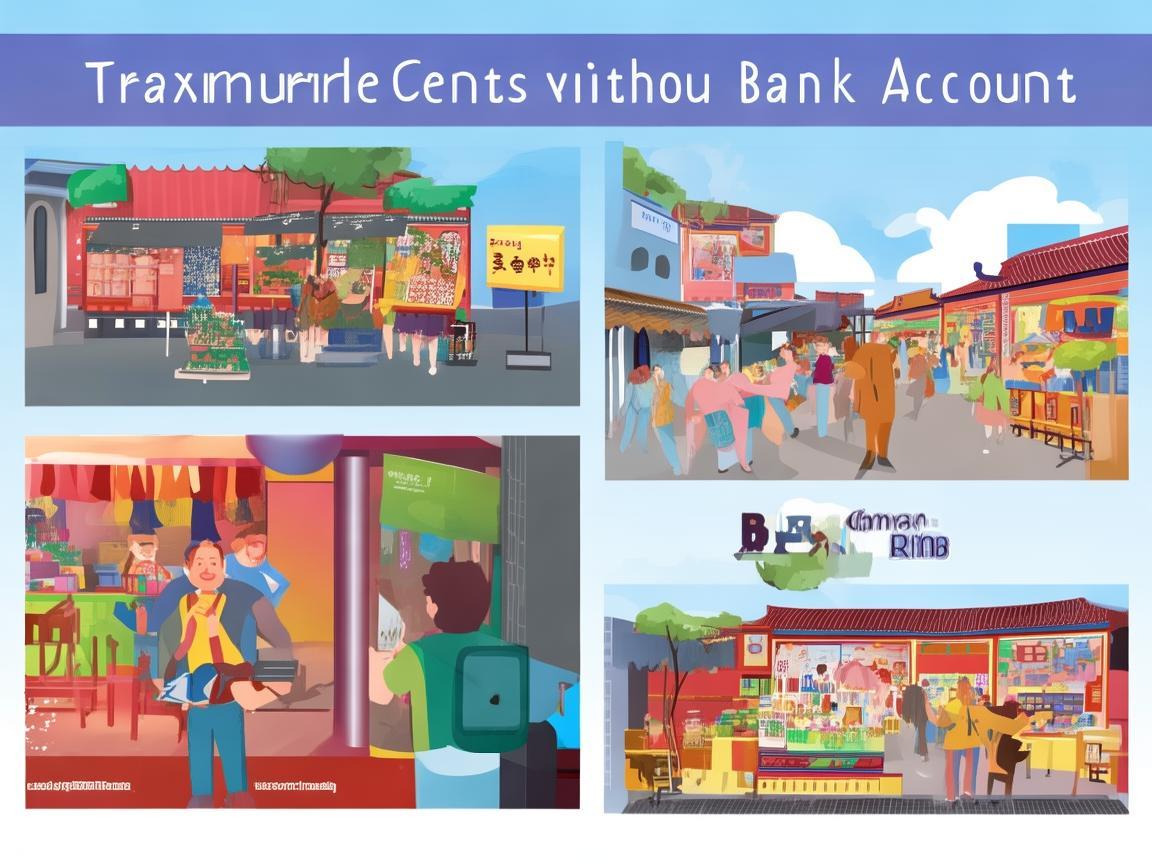
Paying in China Without a Bank Account: A Traveler’s Guide from Xi’an
After three days of fumbling, I figured it out. Spoiler: You can travel in China without a local bank account—you just need a game plan. As someone who’s wandered through Xi’an’s Muslim Quarter, haggled at the Big Wild Goose Pagoda market, and even survived a late-night dumpling run without cash, here’s exactly how to pay, step by step.
First Things First: Why Cash Isn’t King (But Still Useful)
China’s digital payment system is everywhere. Even street vendors selling steamed buns or bus drivers use QR codes. But don’t ditch cash entirely—you’ll need it for:
- Small, rural, or super informal stalls (e.g., a grandma selling persimmons on a street corner).
- Taxis (some drivers still prefer cash, or their QR code is hard to scan).
- Emergencies (like when your phone dies).
Pro tip: Bring some small bills (10, 20, 50 RMB) and coins. Breaking a 100 RMB note for a 10 RMM bus ride is a pain if the vendor doesn’t change.
The Game-Changer: Mobile Payment (WeChat Pay & Alipay)
This is the backbone of paying in China. Both are like PayPal + Venmo + a debit card rolled into one. Here’s how to set them up without a Chinese bank account.
Option 1: WeChat Pay (Most Common for Daily Use)
WeChat is China’s “super app”—everyone uses it to chat, pay, order food, and more. To add payment:
- Download WeChat (if you haven’t already) and create an account (use your phone number or email).
- Go to “Me” → “Services” → “Wallet.”
- Tap “Add Bank Card” (or “Payment Methods” in some versions).
- Select “Foreign Bank Card.” You’ll need:
- Your credit/debit card (Visa, Mastercard, or Amex—most work now).
- Your passport name (must match the card exactly).
- CVV and expiration date.
Heads up: There’s a daily spending limit (usually ~5,000 RMB, ~$700) for foreign cards. If you plan to splurge on a silk rug at the Muslim Quarter, split payments or use another method.
How to pay:
- In stores: Look for a green WeChat QR code (some are black-and-white). Open WeChat → “Me” → “Wallet” → “QR Code” (it’s at the top). Scan the vendor’s code, confirm the amount, and pay with your linked card.
- For street food: A vendor might hold up a laminated card with their QR code. Same process—scan, pay.
- Metro/bus: Open WeChat → “Wallet” → “Transportation” (or search for “西安乘车码”). Enter your phone number, verify, and you’ll get a QR code. Scan it at the gate—fare is deducted automatically (Xi’an metro is ~3-8 RMB per ride).
Option 2: Alipay (Great for Shopping & Travel)
Alipay is Alibaba’s payment app—big in malls, hotels, and for booking tickets. Setup is almost identical to WeChat:
- Download Alipay and sign up.
- Go to “Me” → “Payment Methods” → “Add Bank Card.”
- Choose “Foreign Card” and enter your details (same as WeChat).
Bonus: Alipay has a “Travel” section where you can book train tickets (super useful for trips from Xi’an to Beijing or Chengdu) and even buy entrance tickets to attractions like the Terracotta Warriors. Just scan QR codes like you would with WeChat.
Option 3: Credit/Debit Cards (When to Use Them)
Your foreign cards work in China, but only in specific places:
- Large hotels, international chains (Starbucks, McDonald’s), and high-end malls (e.g., SKP Xi’an, Grand City Mall).
- Some tourist sites (the Terracotta Warriors accepts cards, but a small stall outside might not).
- ATMs (if you need cash).
Pro tips for cards:
- Call your bank before you go! Let them know you’re in China to avoid “fraud alerts” that freeze your card.
- Stick to Visa/Mastercard—Amex is less accepted outside big cities.
- ATMs: Look for Bank of China, ICBC, or China Construction Bank—they have English menus. Withdrawal limits vary (usually ~3,000 RMB per transaction), and fees can be high (~$5 per withdrawal).
Option 4: “Cash Swap” (For When You’re Desperate)
If you can’t get mobile payments to work or run out of cash, here’s how to get RMB:
- At the airport/hotel: The exchange counter at Xi’an Xianyang International Airport is convenient (rates are meh, but better than nothing). Your hotel front desk might also exchange small amounts.
- With locals: This is a last resort, but if you make a friend (e.g., your tour guide or a friendly shop owner), ask if you can pay them via PayPal/WeChat and get cash in return. Only do this with people you trust!
- ATMs: As above, but avoid sketchy ones—stick to big banks.
Emergency Fixes: What If Your Phone Dies/You Lose Your Card?
I learned this the hard way: My phone died at 8 PM in the Muslim Quarter, and I had no cash. Here’s how to survive:
- Borrow a power bank: Most cafes, malls, and even some street vendors rent them (deposit ~50-100 RMB).
- Use a friend’s phone: If you’re traveling with someone, have them pay you back via PayPal later.
- Go to your hotel: They can help you call a taxi (which takes cash) or lend a small amount.
- International transfer apps: Apps like Wise (formerly TransferWise) or Remitly let you send money to yourself in China, but it takes 1-3 days—not for emergencies.
My Xi’an “Payment” Routine (So You Can Steal It)
Here’s what I did every day to avoid stress:
- Morning: Grab a breakfast jianbing (Chinese crepe) from a street vendor. Paid with WeChat (scanned her QR code—cost 8 RMB).
- Afternoon: Took the metro to the Terracotta Warriors. Used WeChat’s “Transportation” QR code (fare 6 RMB). Bought tickets via Alipay (cost 150 RMB).
- Evening: Wandered the Muslim Quarter, bought lamb skewers (WeChat, 20 RMB) and a souvenir lantern (cash, 50 RMB—vendor didn’t take cards).
- Night: Took a taxi back to the hotel. Paid with cash (30 RMM—driver didn’t have a QR code).
Total cash carried at any time: ~200 RMM (enough for small stuff and taxis).
Final Tips for Smooth Paying
- Download VPN before you go: WeChat/Alipay might be slow without it (but not blocked anymore).
- Save QR codes: If you eat at a restaurant or shop somewhere, save their QR code to your phone next time—no more searching.
- Check your balance: Both WeChat and Alipay let you see recent transactions (go to “Wallet” → “Statement”).
- Don’t panic: If a vendor says they don’t take your method, just smile, say “Xie xie” (thank you), and walk away—there’s always another stall that does.
Traveling in China without a bank account is totally doable—you just need to lean into digital payments and keep a little cash for backup. Xi’an is such an amazing city, and the last thing you want is to stress about paying for a delicious roujiamo (Chinese hamburger). Trust me, once you scan your first QR code, you’ll feel like a local. Happy travels! 🥟🚇
Xi’an Airport Transfer Service
Private English-speaking driver service in Xi’an operated directly by Bruce Zhang. 24/7 airport pickup and hotel transfer for foreign travelers.
Helpful for Your Trip in Xi’an
Navigating Payments in Xi’an: A Group Traveler’s Practical Guide
2026-07-29Ordering and Paying in Xi’an: A Traveler’s No-Stress Guide
2026-07-29Xi’an E-Wallet: How This Little App Made My Trip a Breeze
2026-07-29Xi’an Traveler’s Survival Guide: How to Master China’s Mobile Wallets (WeChat Pay & Alipay)
2026-07-28Xi’an Travel: Your Practical ID Guide to Navigate China’s Real-World Rules
2026-07-28Xi’an Long Stay: How to Handle Payments Like a Local
2026-07-28Paying at Xi’an Clubs: A Foreigner’s No-Fluff Guide
2026-07-28Navigating Xi’an’s Metro: A Foreigner’s Practical Payment Guide
2026-07-27Navigating Xi’an: A Tourist’s Guide to Mastering Mobile Payments in China
2026-07-27Navigating Xi’an Like a Local: My Digital Pay Survival Guide
2026-07-26