

Paying in Xi’an: A Tourist’s Guide to Navigating China Without a Local Bank Account
Let me tell you about my first week in Xi’an. I’d spent months dreaming of the Terracotta Army, the Muslim Quarter’s street food, and cycling atop the ancient city walls. But 24 hours after landing, I was standing in a line at a bustling dumpling shop, wallet in hand, utterly confused. The vendor pointed at a QR code on his stall, then at my empty hands. “Weixin? Alipay?” he asked, shrugging. I shook my head, pulling out a crisp 100 RMB note. He waved it away—no cash, only mobile payments.
I felt stranded. I’d read about China’s cashless society, but I didn’t realize how cashless it was. By day two, I’d figured it out—but not before a few panic moments (and a lot of charades). If you’re heading to Xi’an and don’t have a Chinese bank account, here’s what I wish I’d known: a practical, no-BS guide to paying like a local.
First Things First: Why Cash Isn’t King (Anymore)
Xi’an, like most of China, runs on mobile payments. Even street vendors selling jianbing (Chinese crepes) or roujiamo (“Chinese hamburgers”) use QR codes. Big attractions (like the Terracotta Army), restaurants, and hotels accept cash, but smaller shops, night markets, and public transport? Mostly digital.
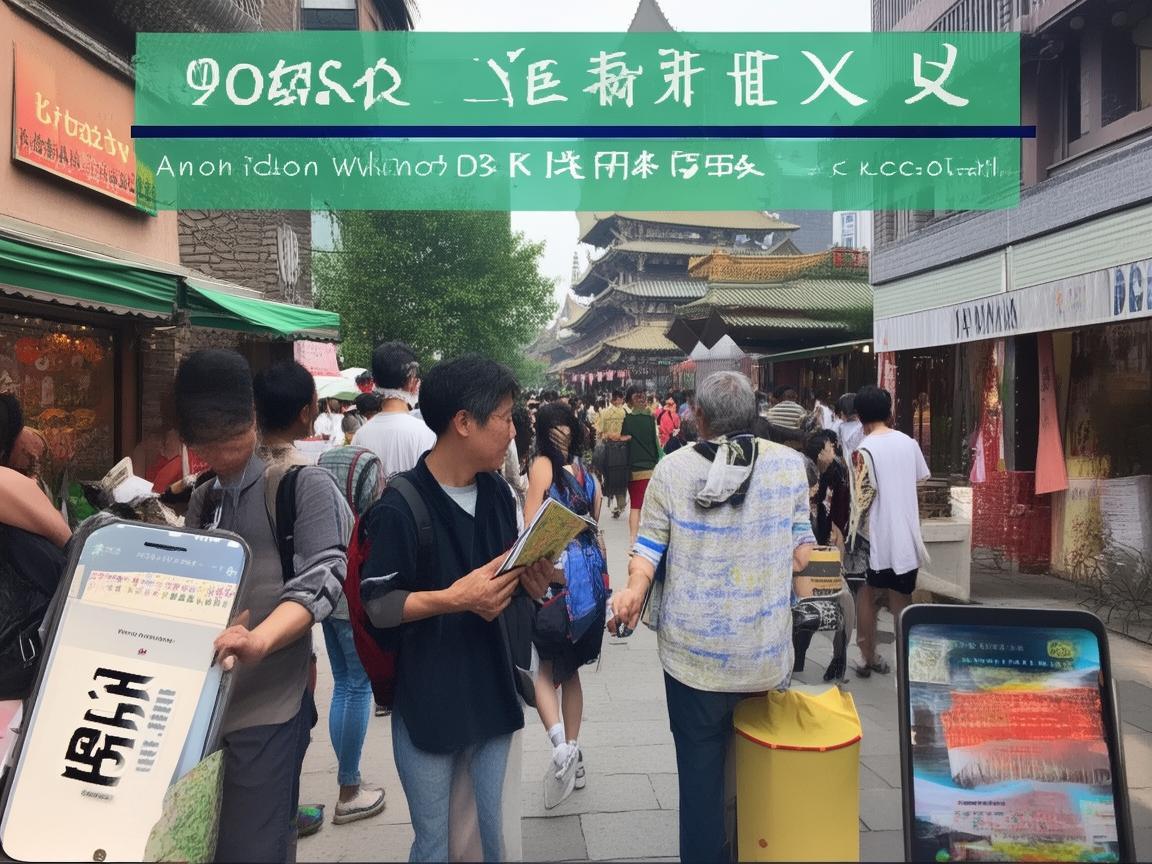
Paying in Xi’an: A Tourist’s Guide to Navigating China Without a Local Bank Account
I learned this the hard way when I tried to pay for a bus ticket to the Big Wild Goose Pagoda with cash. The driver just pointed to a sign: “WeChat Pay/Alipay Only.” Luckily, a student behind me tapped my shoulder and helped me scan her code—more on that later.
Moral of the story: Bring some cash (emergency use only), but don’t rely on it. Your real lifeline? Mobile payment apps.
Option 1: International Credit/Debit Cards (Where They Work—and Don’t)
If you’re from the U.S., Europe, or another region, your Visa, Mastercard, or Amex will work in some places—but not all. Here’s the breakdown:
- Big Spots: Luxury hotels (like the Shangri-La), international chains (Starbucks, McDonald’s), large shopping malls (Century Ginwa, SKP Xi’an), and major attractions (Terracotta Army ticket counter) will take cards. I used my Mastercard at the Terracotta Army entrance—no problem.
- Small Spots: Skip it. Street vendors, tiny local restaurants, and neighborhood convenience stores (even big ones like 7-Eleven) rarely accept cards. I tried to pay for a bottle of water at a market with my Visa; the shopkeeper just laughed and handed me a QR code.
- ATMs: You can withdraw cash from Bank of China, ICBC, or Construction Bank ATMs (they have English menus). But fees add up: my bank charged $5 per withdrawal, and the local ATM charged ~1% of the amount. Not ideal for daily spending.
Pro Tip: Call your bank before you go! Let them know you’re traveling to China to avoid your card being flagged for “fraud.”
Option 2: Mobile Payment Apps (The Game-Changer)
This is the real way to pay in Xi’an. Two apps rule: WeChat Pay and Alipay. Both work similarly—scan a QR code, pay, done. But here’s the catch: you need a Chinese bank account to link them… unless you use their “international” versions.
WeChat Pay: Easy for Small Stuff
WeChat is like WhatsApp + Venmo. Most locals use it for everything, from buying noodles to splitting bills with friends. For tourists, WeChat Pay has a “Travel” feature that lets you link international cards.
How to Set It Up:
- Download WeChat (if you don’t have it) and create an account (you can use your phone number + email).
- Open WeChat, tap “Me” (bottom right), then “Services.” Scroll down to “WeChat Pay” and tap “Add Bank Card.”
- Select “Foreign Card” and enter your details (card number, name, expiration date). You’ll need to verify your identity—upload a photo of your passport and a selfie.
- Done! You can now use WeChat Pay to scan QR codes.
Where to Use It: Almost everywhere! Street food stalls, small restaurants, taxis (use WeChat’s “Ride-Hailing” feature to book a Didi, China’s Uber), and even some public buses. I bought yangrou paomo (mutton soup) at a Muslim Quarter stall using WeChat—just scanned the code, entered the amount, and confirmed with my fingerprint.
Fees: No fees for linking international cards or paying in RMB. Your bank might charge foreign transaction fees (check with them!).
Alipay: Better for Big Purchases
Alipay is like PayPal + a shopping app. It’s huge in China and has a more robust “Tourist Pass” for international users.
How to Set It Up:
- Download Alipay and create an account (phone number + email).
- Tap “Me” (bottom right), then “Tour Pass.” This is Alipay’s version for tourists—no Chinese bank account needed!
- Link your international credit/debit card (Visa/Mastercard). You’ll need to verify your passport (upload a photo).
- You can also load money into your Tour Pass in advance (helpful if you want to budget).
Where to Use It: Similar to WeChat—malls, restaurants, attractions, and even some hotels. I used Alipay to buy tickets for the Shaanxi History Museum (you must book in advance, and Alipay makes it easy).
Bonus: Alipay has a “Translate” feature in the app—scan a menu, and it translates it to English. Lifesaver for ordering food!
Which One to Choose? Both! I kept WeChat for small, everyday purchases (street food, buses) and Alipay for bigger stuff (tickets, meals at sit-down restaurants). They’re both free, so why not?
Option 3: The “Friend” Hack (If You Know Someone in China)
If you have a friend, family member, or even a tour guide in China, this is the easiest way to pay. Here’s how it works:
- They send you a “red packet” (hongbao) on WeChat or Alipay—essentially, a transfer of money.
- You use that money to pay by scanning QR codes (just like a local).
- To pay them back, you can use PayPal, Wise, or even cash (if you meet up).
I did this with my Airbnb host, who helped me set up WeChat Pay. She sent me 500 RMB (~$70) to start, and I transferred her the money via PayPal before I left. No fees, no hassle.
Note: If you don’t know anyone in China, skip this—too much hassle to set up.
Option 4: Digital RMB (The “Try It if You Can” Option)
China’s central bank has launched a digital currency (e-CNY), but it’s still not widely available for tourists. Some big stores (like Walmart) and metro stations accept it, but you need a Chinese phone number to download the app. Unless you have a local friend helping you, it’s not worth the stress.
Emergency: What to Do If You Can’t Pay
Let’s say you’re at a restaurant, your apps aren’t working, and you have no cash. Don’t panic! Here’s what to do:
- Ask for Help: Younger people in Xi’an often speak English. I once gestured helplessly at a QR code, and a college student tapped my shoulder, scanned the code with her WeChat, and let me pay her back in cash.
- Go to a Hotel: Most hotels have foreign exchange desks and can help you with payments (they might charge a small fee, but it’s better than starving).
- Use a Travel Agent: If you’re on a tour, your guide can help—tip them well!
My Top Payment Tips for Xi’an
- Download Apps Before You Land: WeChat and Alipay can be slow to download in China (due to internet restrictions). Set them up at home.
- Bring a Power Bank: Scanning codes and using apps drains your battery. You’ll be using your phone a lot.
- Keep Small Cash Handy: I always had 200-300 RMB in 10s and 20s for emergencies (like bus tickets or small shops that don’t take cards).
- Check Limits: International cards linked to WeChat/Alipay usually have a daily limit of ~5,000 RMB (~$700). If you’re planning a big shopping trip, call your bank to raise it.
- Don’t Be Afraid to Ask: Xi’an is tourist-friendly! Most people are happy to help if you look confused. A simple “Nǐ hǒo, wǒ bù huì yòng zhè ge” (“Hello, I don’t know how to use this”) goes a long way.
Final Thoughts
By day three in Xi’an, I was a pro. I’d scan QR codes without thinking, haggle over prices at the Muslim Market using Alipay, and even help other lost tourists figure out their apps. The key? Don’t fight the system—embrace it. China’s cashless society is efficient, safe, and (once you get the hang of it) super convenient.
So pack your phone, download those apps, and get ready to eat jianbing until you can’t anymore. Xi’an is amazing—and paying for it? Way easier than you think.
Happy travels! ??♀️
Xi’an Airport Transfer Service
Private English-speaking driver service in Xi’an operated directly by Bruce Zhang. 24/7 airport pickup and hotel transfer for foreign travelers.
Helpful for Your Trip in Xi’an
Navigating Xi’an’s Metro: A Foreigner’s Practical Payment Guide
2026-07-27Navigating Xi’an: A Tourist’s Guide to Mastering Mobile Payments in China
2026-07-27Navigating Xi’an Like a Local: My Digital Pay Survival Guide
2026-07-26Xi’an Travel Tips: Cash vs. QR Codes for Entrance Tickets——A Tourist’s Practical Guide
2026-07-25Alipay for Foreign Travelers in Xi’an: A Practical Setup Guide
2026-07-25How to Survive (and Thrive) in Xi’an: A Tourist’s Guide to Digital Transactions
2026-07-24Navigating Theme Park Payments in Xi’an: A Traveler’s Practical Guide
2026-07-24Xi’an’s Convenience Stores: Your Go-To for Easy Travel Payments
2026-07-23My Cash Backup Strategy for Traveling in China: A Tourist’s Practical Guide
2026-07-22Emergency Payments in Xi’an: A Foreign Traveler’s Practical Guide
2026-07-22