

Paying in Xi’an: A Tourist’s Guide to UnionPay vs. Visa China
Before visiting Xi’an, I’d heard all about the Terracotta Army, the Muslim Quarter’s street food, and the Big Wild Goose Pagoda’s glow at sunset. What I hadn’t heard much about? How to actually pay for things. As a tourist from Canada, I’m used to tapping my Visa card everywhere, but I’d heard China’s cashless scene is… unique. So, I arrived with both my Visa card and a UnionPay debit card (my bank back home offered one), and let me tell you: figuring out which to use was half the adventure. If you’re heading to Xi’an, here’s what you really need to know about paying with UnionPay vs. Visa—no fluff, just practical tips from someone who’s been there.
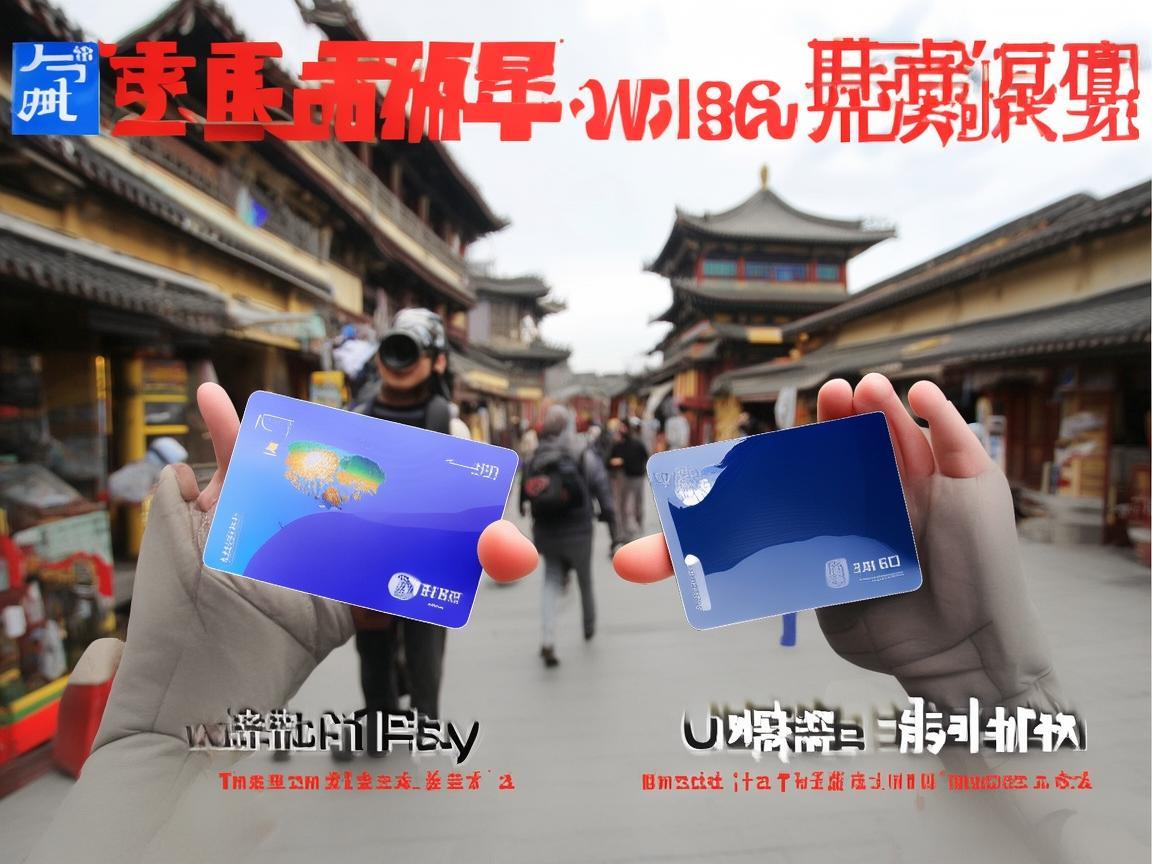
Paying in Xi’an: A Tourist’s Guide to UnionPay vs. Visa China
First Things First: What’s the Difference?
Let’s start simple. UnionPay (银联) is China’s domestic bank card network. It’s everywhere in China—think of it like Visa or Mastercard, but only for China (though it’s expanding globally). Visa is an international network, so it’s accepted in most countries, but in China? Its acceptance is spotty, especially outside big cities or tourist hotspots.
I learned this the hard way on my first day. I’d just landed, grabbed a taxi to my hotel downtown, and handed the driver my Visa. He looked at it like I’d offered him a foreign coin. “Cash or UnionPay,” he said, pointing to a faded UnionPay sticker on the dashboard. Oops. I had to scramble to find an ATM to pull out yuan—lesson #1: always carry some cash, just in case.
UnionPay: The “King” of Xi’an Payments
If you’re only going to bring one payment method to Xi’an, make it UnionPay. Whether it’s a debit card (linked to your bank account) or a credit card, UnionPay is accepted at literally every shop, restaurant, market, and attraction I visited. Here’s why it’s a game-changer:
It Works Everywhere
From the fancy Muslim Quarter restaurant serving roujiamo (Chinese hamburgers) to the tiny street vendor selling bingfeng (ice cream pancakes) on the city wall, UnionPay was king. I even used it to buy entrance tickets to the Terracotta Army—no need to wait in the “cash only” line. The only places that sometimes didn’t take it? Maybe a super rural souvenir shop outside the city center, but even then, they usually had a UnionPay QR code to scan.
Easy Tapping & Scanning
Most UnionPay cards support “Quick Pass” (闪付), which lets you tap to pay for small purchases (under ¥100, roughly $15) without a PIN or signature. I used this all the time for bus fares, coffee, or snacks—way faster than fumbling with cash. For bigger purchases, you just insert the card and enter your PIN (or sign, but PIN is more common).
And if you don’t have a physical UnionPay card? No problem! Many international banks let you “link” your foreign Visa/Mastercard to Chinese super-apps like Alipay or WeChat Pay. How? Open Alipay, go to “My” > “Payment Methods” > “Add Bank Card,” and enter your card details. It’ll turn your Visa into a QR code that works exactly like a Chinese person’s—scanned at shops, restaurants, even street food stalls. I did this with my Canadian Visa, and it was a lifesaver in places that didn’t take physical cards.
No Hidden Fees (Usually)
Since UnionPay is domestic, there’s no currency conversion fee when you use it in China. I took out ¥500 from a Bank of China ATM with my UnionPay debit card, and the amount I was charged in CAD was exactly what the exchange rate said—no extra “international ATM fees” like my bank charges for Visa withdrawals. Sweet.
Visa: When It Works (and When It Doesn’t)
Now, don’t throw your Visa away! It’s useful in some situations, but you need to know its limits. Here’s where I could (and couldn’t) use mine:
It Works at “International” Spots
If you’re staying at a fancy international hotel (like the Sheraton or Hyatt in Xi’an), they’ll take Visa—no problem. I used my Visa to pay for a spa treatment at my hotel, and it was seamless. Same for high-end restaurants catering to tourists (like the ones in the Bell Tower Square) or big souvenir shops in the Muslim Quarter that get foreign customers often.
It’s Useless for Small, Local Stuff
This is the big one. If you’re trying to buy a jianbing (savory crepe) from a street vendor, pay for a taxi, or grab a roujiamo from a hole-in-the-wall joint, forget it. None of these places take Visa—they don’t have the machines, and they don’t deal with international networks. I learned this when I tried to pay a rickshaw driver near the Terracotta Army with my Visa; he just laughed and pointed to his UnionPay QR code. “Use this,” he said.
ATMs Can Be Tricky
You can use Visa to withdraw yuan from ATMs in Xi’an, but only if the ATM has a Visa logo (most Bank of China, ICBC, or Construction Bank ATMs in the city center do). However, my bank charges a $5 CAD fee per withdrawal plus a 2.5% currency conversion fee. Ouch. I did it once when I was desperate, but quickly switched to UnionPay for cash—way cheaper.
Online? Forget It
If you try to book a train ticket on 12306 (China’s official railway site) or use a ride-hailing app like Didi with your Visa, it’ll probably be rejected. These platforms are designed for Chinese payment methods—UnionPay, Alipay, or WeChat Pay. I had to use my UnionPay-linked Alipay to book a high-speed train to Xi’an from Beijing, and it took 2 minutes. With Visa? I’d have still be trying.
The “Hybrid” Strategy: What I Actually Did
By day 3 in Xi’an, I’d settled on a system that worked perfectly:
-
UnionPay Debit Card for Cash & Small Purchases: I used this to withdraw ¥1000 from an ATM on my first day (enough for 3-4 days of meals, snacks, and taxis). For anything under ¥50 (like bus fares or street food), I tapped my UnionPay card—no need to carry coins.
-
UnionPay-Linked Alipay for Everything Else: I linked my UnionPay debit card to Alipay, and this became my “go-to” for restaurants, attractions, and shopping. Scanning a QR code is faster than inserting a card, and every single vendor—from the Big Wild Goose Pagoda ticket office to a late-night noodle shop—took it.
-
Visa Only for Emergencies: I kept my Visa in my hotel safe, just in case. I ended up using it once: to buy a SIM card at the airport (the only place that took it without a QR code).
Final Tips: Don’t Get Caught Out
- Always Carry Cash: Even with UnionPay, some tiny rural spots (like temples outside the city) might only take cash. I had ¥200 stashed away just in case—never needed it, but better safe than sorry.
- Download Alipay/WeChat Pay Before You Go: Setting these up in China can be a pain (you need a Chinese phone number to register easily). If you can, link your UnionPay card at home. If not, ask a friend in China to help you set it up.
- Tell Your Bank You’re Traveling: Whether you’re using UnionPay or Visa, call your bank first! I forgot to, and my UnionPay card got frozen for a day when I tried to withdraw cash—apparently, “sudden transactions in China” looked suspicious. Oops.
- Don’t Stress About Visa: Unless you’re staying at luxury hotels or shopping at big international chains, you probably won’t need it. UnionPay (and Alipay/WeChat) will cover 99% of your needs.
Xi’an is an incredible city—ancient history, amazing food, and friendly people. The last thing you want to worry about is whether your card will work. Trust me: prioritize UnionPay. It’s the key to unlocking a smooth, stress-free trip (and more time to eat paomo and stare at the Terracotta Warriors in awe). Happy travels!
Xi’an Airport Transfer Service
Private English-speaking driver service in Xi’an operated directly by Bruce Zhang. 24/7 airport pickup and hotel transfer for foreign travelers.
Helpful for Your Trip in Xi’an
Navigating Xi’an’s Metro: A Foreigner’s Practical Payment Guide
2026-07-27Navigating Xi’an: A Tourist’s Guide to Mastering Mobile Payments in China
2026-07-27Navigating Xi’an Like a Local: My Digital Pay Survival Guide
2026-07-26Xi’an Travel Tips: Cash vs. QR Codes for Entrance Tickets——A Tourist’s Practical Guide
2026-07-25Alipay for Foreign Travelers in Xi’an: A Practical Setup Guide
2026-07-25How to Survive (and Thrive) in Xi’an: A Tourist’s Guide to Digital Transactions
2026-07-24Navigating Theme Park Payments in Xi’an: A Traveler’s Practical Guide
2026-07-24Xi’an’s Convenience Stores: Your Go-To for Easy Travel Payments
2026-07-23My Cash Backup Strategy for Traveling in China: A Tourist’s Practical Guide
2026-07-22Emergency Payments in Xi’an: A Foreign Traveler’s Practical Guide
2026-07-22