

Xi’an on a Budget: My Wallet vs. Cash Survival Guide
Landing in Xi’an for the first time, I felt like I’d stepped into a time warp—one minute marvelling at the Terracotta Warriors, the next getting lost in the Muslim Quarter’s maze of spices and kebabs. But the real culture shock? Not the history, not the food… it was paying for things. Back home, I live by credit cards and Apple Pay, but here, I quickly learned: Xi’an runs on a delicate dance between digital wallets and cold, hard cash. Let me break down what I wish I’d known before my trip—no fluff, just real talk about keeping your money (and sanity) intact.
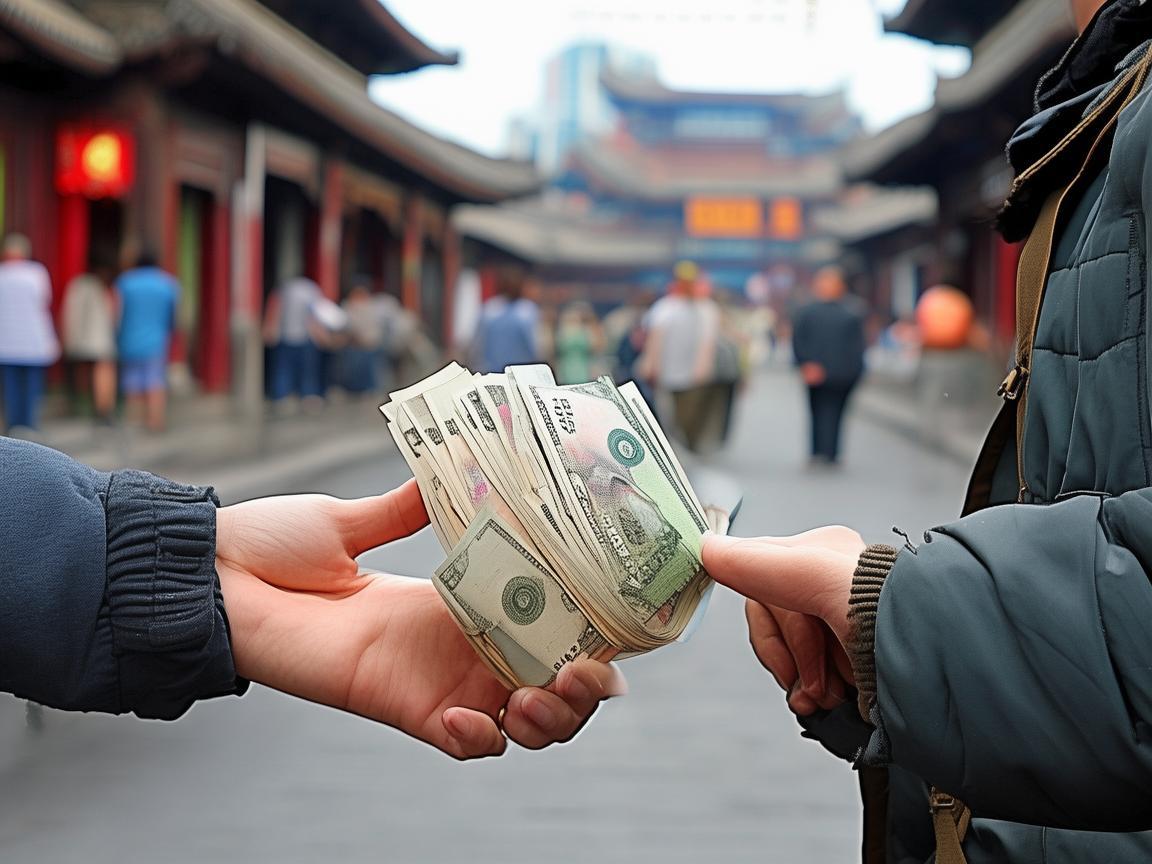
Xi’an on a Budget: My Wallet vs. Cash Survival Guide
First Stop: The "Xi’an Wallet" (Alipay & WeChat Pay) – Your New Best Friend
If you’re used to cash, forget it. Xi’an is digital. Within hours of arriving, my local friend grabbed my phone, downloaded Alipay and WeChat Pay, and said, “Welcome to 2024.” Here’s why these apps are non-negotiable:
They’re Everywhere. Like, Everywhere.
Want to buy a roujiamo (Xi’s famous “hamburger”)? The vendor has a QR taped to their cart. Need a taxi? The driver will hold up a sign with a WeChat code. Even street performers in the Big Wild Goose Pagoda square have donation QRs. I once tried to pay for a bottle of water with cash, and the shopkeeper just pointed to her phone—she didn’t even have a cash register.
Pro tip: Before you leave, link an international credit card (Visa/Mastercard) to Alipay or WeChat. For WeChat, go to “Me” → “Services” → “Wallet” → “Payment Methods” and add your card. Alipay’s “Overseas Users” section makes it easy too. Some smaller vendors might not accept foreign cards, but 90% of places do—especially if you’re in tourist areas.
They’re Cheap (and Sometimes Free!)
Using cash means getting stuck with small, crumpled bills that no one wants. With digital wallets, you pay exact change—no rounding up, no fumbling with coins. Plus, many apps offer discounts: Alipay’s “Double 11” sales (in November) or WeChat’s “Lucky Money” coupons can save you 10-20% at restaurants or shops. I once got ¥5 off a bowl of yangrou paomo (mutton soup) just for using WeChat Pay.
They’re Safe (Sort Of)
Carrying a thick wallet in Xi’an’s crowded markets? Bad idea. I saw a pickpocket snatch a phone in the Muslim Quarter—luckily, the victim had Alipay’s “Security Center” enabled, which lets you remotely lock your wallet if your phone is stolen. Just don’t forget your phone password!
But Wait… Cash Isn’t Dead Yet. Here’s When You’ll Need It
As much as I loved tapping my phone, there were moments when cash saved my butt. Don’t get cocky—digital wallets aren’t foolproof.
The “Grandma Test” – Small, Local Stalls
In the Muslim Quarter, I found the best saffron vendor—an elderly woman who hand-grinds her own saffron threads. She didn’t have a smartphone, just a worn-out envelope of cash. “Cash only, dear,” she said, patting my hand. I learned quickly: if the vendor is over 60 and running a tiny, family-run stall, assume cash only. Same goes for night market vendors selling handmade trinkets or farmers selling lychees on the street—they rarely bother with QR codes.
Pro tip: Carry small bills (¥10, ¥20, ¥50). Vendors rarely have change for ¥100 notes, and refusing to break a big bill can get you a “sorry, no sale” shrug. I once tried to pay ¥100 for a ¥20 snack and got a blank stare—had to run to a nearby 7-Eleven to break it.
The “No Signal Zone” – Temples, Villages, and Trains
Xi’an’s countryside is stunning, but cell service? Not so much. I took a day trip to Huashan Mountain (a 2-hour bus ride from Xi’an) and lost signal halfway there. Guess what? The bus fare, entrance tickets, and even the bottled water at the top of the mountain required cash. I had ¥200 stashed in my backpack—thank goodness.
Same goes for some temples within the city walls: the Small Wild Goose Pagoda’s quieter side alleys have spotty Wi-Fi, and the ticket booth only takes cash. Always check “cash only” signs at entrances—if they’re posted, don’t even bother pulling out your phone.
The “Emergency Fund” – Lost Phones, Dead Batteries
What if your phone dies? Or you drop it in a toilet (don’t ask)? I had a friend who lost her phone on the metro—she had ¥100 in her jeans, enough to take a taxi back to her hotel and buy a cheap charger. Cash is your backup when tech fails. I started carrying a “secret stash” of ¥300 in a zippered pocket of my backpack—never in my main wallet, just in case.
My Golden Rules: Balancing Wallet and Cash
After a week of trial and error, I settled on a system that worked. Here’s what I’d recommend:
Split Your Money – Digital + Cash
- Digital Wallet (70% of spending): Use this for restaurants, taxis, malls, and big attractions. It’s fast, convenient, and you can track your spending (Alipay’s “Transactions” tab is a lifesaver for budgeting).
- Cash (30% of spending): Keep ¥200-¥300 in small bills for small vendors, rural areas, and emergencies. Hide it in a separate place—your shoe, a bra, a zippered bag pocket. Don’t be “that tourist” with a giant money belt; it’s a dead giveaway for pickpockets.
Download Before You Arrive
Setting up Alipay/WeChat Pay at the airport is stressful. Do it at home! Both apps have English interfaces, and you can link your card in minutes. If you’re from a country with WhatsApp, WeChat is basically the same—easy to navigate.
Learn a Few Phrases (But Not Many)
Most vendors in tourist areas speak basic English, but a little Mandarin goes a long way. For cash transactions, say:
- “Yǒu méiyǒu xiàolíng qián?” (Do you have small change?)
- “Wǒ yòng xiànbì.” (I’m using cash.)
- “Duì bu qǐ, méi yǒu líng qián.” (Sorry, no change.)
Smile and point to your cash—they’ll figure it out. No need to stress about perfect pronunciation!
Avoid Exchange Traps
If you’re a foreign visitor, skip the airport exchange counters—their rates are terrible. Instead, use ATMs (Bank of China, ICBC, or China Construction Bank) to withdraw cash directly from your bank account. The fees are lower, and you get the “real” exchange rate. I once withdrew ¥500 from an ICBC ATM and only paid ¥3 in foreign transaction fees—way better than the airport’s 5% markup.
Final Verdict: Embrace the Mix, But Don’t Panic
Xi’an is a city of contrasts—ancient walls and neon skyscrapers, cash-only vendors and digital-savvy teens. You don’t have to choose between wallets and cash; you just need to know when to use which.
My biggest takeaway? Don’t be like me—arriving with only a credit card and a lot of pride. By the end of my trip, I was tapping my phone for jianbing (savory crepes) and pulling out cash for a grandma’s handmade lanterns. It’s all part of the adventure.
So, pack your digital wallets, stash some cash, and get ready to eat, explore, and stress-pay your way through one of China’s most amazing cities. Xi’an doesn’t care if you’re a cash king or a digital queen—just don’t let your wallet (or your stomach) empty too fast. Enjoy the paomo, the warriors, and the chaos. You’ve got this.
Xi’an Airport Transfer Service
Private English-speaking driver service in Xi’an operated directly by Bruce Zhang. 24/7 airport pickup and hotel transfer for foreign travelers.
Helpful for Your Trip in Xi’an
Navigating Payments in Xi’an: A Group Traveler’s Practical Guide
2026-07-29Ordering and Paying in Xi’an: A Traveler’s No-Stress Guide
2026-07-29Xi’an E-Wallet: How This Little App Made My Trip a Breeze
2026-07-29Xi’an Traveler’s Survival Guide: How to Master China’s Mobile Wallets (WeChat Pay & Alipay)
2026-07-28Xi’an Travel: Your Practical ID Guide to Navigate China’s Real-World Rules
2026-07-28Xi’an Long Stay: How to Handle Payments Like a Local
2026-07-28Paying at Xi’an Clubs: A Foreigner’s No-Fluff Guide
2026-07-28Navigating Xi’an’s Metro: A Foreigner’s Practical Payment Guide
2026-07-27Navigating Xi’an: A Tourist’s Guide to Mastering Mobile Payments in China
2026-07-27Navigating Xi’an Like a Local: My Digital Pay Survival Guide
2026-07-26