

Xi’an Restaurant Bills: What Tourists Really Need to Know
Let me tell you about my first week in Xi’an. I’d been dreaming of this city for years—terracotta warriors, ancient city walls, and most importantly, food. The moment I landed, I dove headfirst into the culinary scene: hand-pulled noodles fragrant with cumin, juicy roujiamo (Chinese hamburgers) fresh from street carts, and steaming bowls of yangrou paomo (bread soaked in mutton soup). But by day three, I was baffled—not by the flavors, but by the bills.
I’d ordered a simple lunch at a “tourist-friendly” spot near the Bell Tower: a bowl of liangpi (cold skin noodles), a roujiamo, and a chrysanthemum tea. When the check arrived, my jaw dropped: ¥120. For that? I’d paid ¥15 for the tea alone—no sign on the menu, no mention when I ordered. The waiter just shrugged and said, “Special tea.” That’s when I realized: navigating Xi’an restaurant bills isn’t just about paying—it’s about avoiding surprises. After a month of trial (and error), here’s what every tourist needs to know.
The “Hidden” Fees: Tea, Service, and More
Xi’an restaurants love to tack on extras, and if you’re not careful, they’ll add up fast.
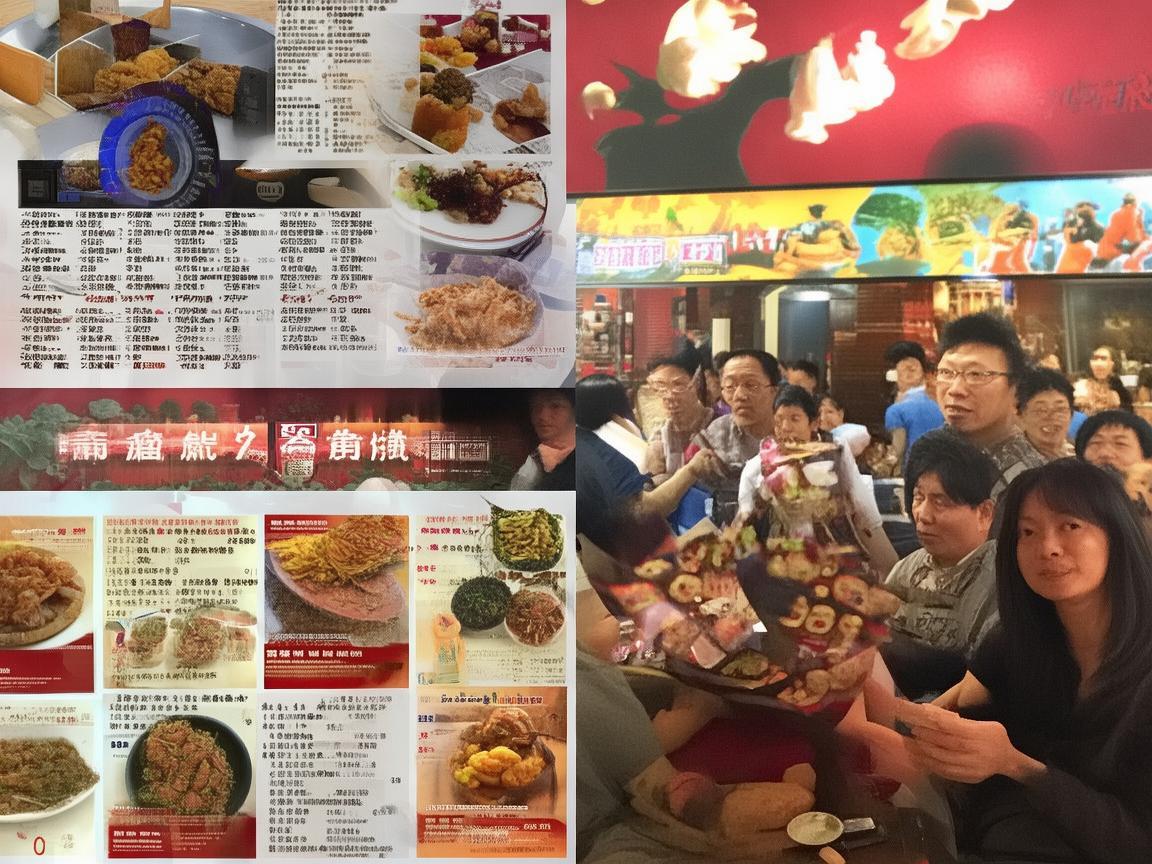
Xi’an Restaurant Bills: What Tourists Really Need to Know
-
Tea/Water Fees: This is the #1 culprit. Many restaurants—especially in tourist areas like the Muslim Quarter or near the Bell Tower—will automatically serve you tea (often chrysanthemum, oolong, or “pu’er”) when you sit down. Even if you didn’t ask for it. The bill might list it as “茶位费” (chá wèi fèi, “tea seat fee”) or just “茶” (chá, tea), costing anywhere from ¥10 to ¥30 per person. Always check before sitting: if they bring tea uninvited, you can say “不用了,谢谢” (bú yòng le, xiè xiè, “No thanks, I don’t need it”). Or better yet, ask “茶是免费的吗?” (Chá shì miǎn fèi de ma? “Is the tea free?”) before they pour.
-
Service Fees: Some upscale or “fusion” restaurants (think places with English menus and fancy decor) add a 10–15% “服务费” (fú wù fèi, service charge). It’s usually printed in tiny letters at the bottom of the menu. If you see it, fine—you’re paying for service. If not, tip is not expected (unlike in Western countries). I once left a ¥10 tip at a casual noodle shop, and the owner chased me down to return it, saying, “We don’t take tips! Just come again!”
-
“Air Conditioning” or “Cover” Fees: Rare, but I’ve heard of this in super-touristy spots. If you’re charged a “空调费” (kōng tiáo fèi, AC fee) or “开瓶费” (kāi píng fèi, bottle-opening fee, even for soda), ask why. Most local places don’t charge these—stick to restaurants where the menu is clear.
Menu Math: How to Spot Overpriced “Tourist Traps”
Xi’an has two types of restaurants: those for locals, and those for tourists. The difference? Price and clarity.
-
Watch for “No Price” Dishes: If a menu has photos but no prices (or prices in tiny, blurry text), be wary. I once pointed at a picture of “spicy chicken” at a Muslim Quarter stall—no price listed. The bill came to ¥80 for a tiny plate of dried, overcooked chicken. Now, I only eat at places where every dish has a clear price (in big, bold numbers).
-
Compare “Same” Dishes: A bowl of yangrou paomo should cost ¥20–¥30 at a local spot. Near the Terracotta Army, I saw it listed for ¥60. Same with roujiamo: ¥8–¥12 at a street cart, ¥20 at a “famous” restaurant in a tourist zone. If a place charges 2–3x the local price, it’s probably catering to foreigners (and overcharging).
-
Bargain at Markets, Not Restaurants: Street markets like Shuyuan Men or the back alleys of the Muslim Quarter are great for bargaining for snacks (e.g., dried fruits, nuts). But sit-down restaurants? Don’t bargain—they’ll think you’re rude. I tried once at a noodle shop, and the waiter just laughed and said, “This is not a market!”
Payment: Cash vs. Phone—What Works Where
Xi’an is a cashless paradise, but there are exceptions.
-
WeChat Pay & Alipay: 95% of restaurants (even tiny ones) accept these. If you don’t have them, set them up before you arrive. At the airport or train station, you can link your international credit card. Pro tip: Always keep your phone charged—some rural areas or older shops have spotty Wi-Fi, but 4G still works for payments.
-
Cash: Carry some yuan (¥10, ¥20, ¥50 bills) for:
- Small street stalls (e.g., a ¥5 mantou (steamed bun) or ¥3 jianbing (savory crepe)).
- Old-school restaurants (e.g., traditional noodle shops in Beilin District) that don’t take digital payments.
- Tips (though not required, rounding up the bill by ¥1–¥5 is appreciated).
-
Credit Cards: Only major hotels or high-end Western restaurants accept them (Visa/Mastercard). Don’t rely on them—you’ll likely get stuck.
My “Oops” Moments (And How to Avoid Them)
-
The “Free” Pickles: At a family-run restaurant near the city wall, the owner brought out a plate of pickled vegetables. I ate a few, thinking they were complimentary. The bill? ¥25 for “appetizers.” Now I always ask: “这个收费吗?” (Zhège shōu fèi ma? “Is this dish charged?”) before touching anything.
-
The “Large” Portion Trick: I ordered “large noodles” (大碗, dà wǎn) at a shop, not realizing “large” here means massive—enough for two people. I ended up paying ¥35 for food I couldn’t finish. Now I ask “小碗” (xiǎo wǎn, small bowl) unless I’m starving.
-
The Language Barrier: Once, I tried to order “spicy” (辣, là) but said “酸” (suān, sour) by mistake. The dish was so sour I could barely eat it. Now I use Google Translate to show the waiter: “我想要辣的” (Wǒ xiǎng yào là de, “I want spicy”). Most young waiters speak a little English, but older ones prefer Chinese.
My Go-To “No-Stress” Restaurants
After a month of experimenting, these spots became my favorites—clear bills, fair prices, and amazing food:
-
老米家大雨泡馍 (Lao Mi Da Yu Paomo): A local institution in Sajin Qiao. Yangrou paomo for ¥28, liangpi for ¥12—no hidden fees. Cash only, but the owner’s son speaks English and will help you order.
-
子午路张记肉夹馍 (Ziwu Lu Zhang Roujiamo): Near the South Gate. Roujiamo for ¥8, beef noodles for ¥15. They give you a printed bill with every item priced—no surprises.
-
永兴坊 (Yongxing Fang): A food court with tons of vendors. Each stall has its own menu with prices. Try the Biangbiang noodles (¥15) or Hulatang (spicy soup, ¥10). Pay at each stall—no confusion.
Final Tip: Trust Your Gut
If a restaurant feels “off”—e.g., pushy waiters, no locals eating there, menus with no prices—leave. Xi’an has thousands of amazing, honest restaurants. The best ones? The ones filled with families laughing, workers slurping noodles, and old men drinking tea. Those places won’t rip you off—they’ll just give you the best meal of your life.
So yes, Xi’an restaurant bills can be tricky. But with a little caution, you’ll spend more time eating (and less time stressing over checks). Now go—order that paomo, that roujiamo, that spicy oil泼面 (po mian, “spilled noodles”). Your stomach (and wallet) will thank you.
Xi’an Airport Transfer Service
Private English-speaking driver service in Xi’an operated directly by Bruce Zhang. 24/7 airport pickup and hotel transfer for foreign travelers.
Helpful for Your Trip in Xi’an
Navigating Xi’an’s Metro: A Foreigner’s Practical Payment Guide
2026-07-27Navigating Xi’an: A Tourist’s Guide to Mastering Mobile Payments in China
2026-07-27Navigating Xi’an Like a Local: My Digital Pay Survival Guide
2026-07-26Xi’an Travel Tips: Cash vs. QR Codes for Entrance Tickets——A Tourist’s Practical Guide
2026-07-25Alipay for Foreign Travelers in Xi’an: A Practical Setup Guide
2026-07-25How to Survive (and Thrive) in Xi’an: A Tourist’s Guide to Digital Transactions
2026-07-24Navigating Theme Park Payments in Xi’an: A Traveler’s Practical Guide
2026-07-24Xi’an’s Convenience Stores: Your Go-To for Easy Travel Payments
2026-07-23My Cash Backup Strategy for Traveling in China: A Tourist’s Practical Guide
2026-07-22Emergency Payments in Xi’an: A Foreign Traveler’s Practical Guide
2026-07-22