

Xi’an Travel: Navigating Payments Like a Local
Landing in Xi’an, I was buzzing with excitement—ancient city walls, terracotta warriors, and the scent of roujiamo (Chinese hamburgers) hanging in the air. But as I grabbed my luggage, one practical question hit me: How am I going to pay for things here? Back home, I’m used to tapping my card or Apple Pay, but I’d heard China is all about mobile payments. After a week of navigating markets, restaurants, and temples, I’ve learned the ropes. Let me break down exactly how to handle payments in Xi’an, so you can skip the stress and focus on the adventure.
First Things First: Cash vs. Mobile Payments
Before we dive in, here’s the golden rule: Cash is still king for small vendors, but mobile payments (WeChat Pay and Alipay) are everywhere else. Don’t rely on just one—have a mix.
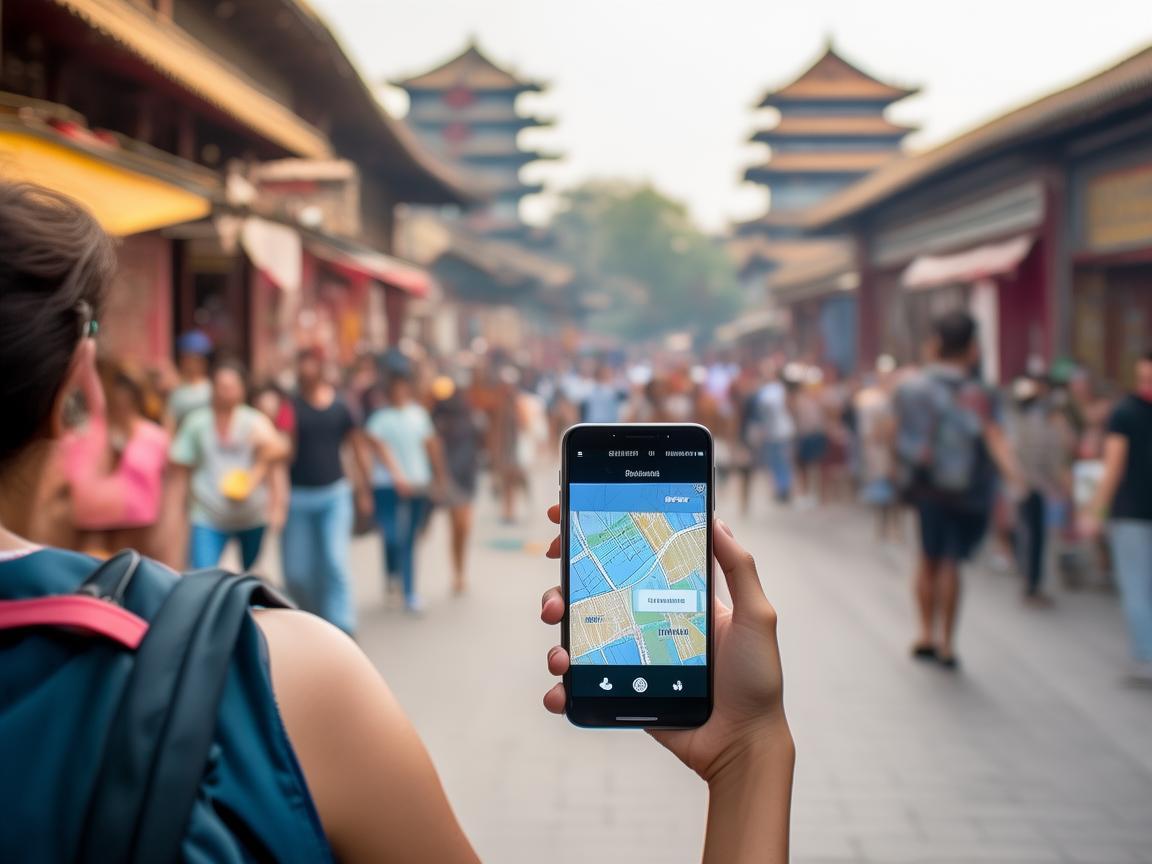
Xi’an Travel: Navigating Payments Like a Local
Cash: When You’ll Need It
- Street food stalls and night markets: Like the Muslim Quarter, where a steaming bowl of yangrou paomo (bread soup) costs ¥15–20. Many vendors only have a QR code for WeChat/Alipay, but some elderly sellers might still prefer cash, especially if they’re not tech-savvy.
- Taxis and small shops: While most taxis take mobile payments, I once had a driver who only accepted cash (he said his phone was low on battery). Also, tiny neighborhood convenience stores or fruit stands might not have set up digital payments yet.
- Backup for emergencies: Always keep a small stash of ¥10, ¥20, and ¥50 bills. You can exchange money at the airport, banks, or hotels—airport exchange desks are easiest for arrival, but rates at local banks (like ICBC or Bank of China) are slightly better. Pro tip: Get ¥50 and ¥100 bills too, but avoid carrying too much large-denomination cash; smaller bills are handier for small purchases.
Mobile Payments: The Real Game-Changer
If you’ve never used WeChat Pay or Alipay, don’t panic—they’re user-friendly, even for foreigners. Here’s how to set them up:
Step 1: Get a Chinese SIM Card (Optional but Highly Recommended)
To use WeChat Pay or Alipay smoothly, you’ll need a Chinese phone number. At Xi’an Xianyang International Airport, you can buy a SIM card from China Mobile, China Unicom, or China Telecom at the arrival hall. A “tourist package” usually costs ¥100–150 and includes 5–10GB of data, valid for 7–30 days. This lets you scan QR codes, receive payment confirmations, and even use ride-hailing apps without Wi-Fi.
Step 2: Download WeChat Pay or Alipay
- WeChat Pay: If you already use WeChat (most people do!), just open the app, go to “Me” → “Services” → “Wallet,” and follow the prompts to link your bank account.
- Alipay: Similar to WeChat, download the app, sign up, and link your bank account.
Step 3: Link Your International Bank Card
Both apps let you add foreign credit/debit cards (Visa, Mastercard, etc.). Go to “Payment Methods” in WeChat Pay or “My” → “Bank Cards” in Alipay, enter your card details, and verify it with a code from your bank. Easy!
Step 4: Top Up (Optional but Helpful)
If you’re worried about foreign transaction fees, you can top up your WeChat Pay or Alipay balance using a Chinese bank card. But if you don’t have one, no worries—linking your international card works fine for most transactions.
Where to Use What: A Breakdown by Scene
Let’s get practical. Here’s how I paid for everything during my trip:
Accommodation: Hotels & Hostels
Most mid-range to high-end hotels (like the Sheraton Xi’an or Courtyard by Marriott) accept credit cards, but many local guesthouses or budget hostels prefer mobile payments. When I checked into a boutique hotel near the Bell Tower, the front desk asked if I wanted to pay via WeChat Pay or Alipay—I scanned their QR code, entered my amount, and was done in 10 seconds. No need to sign anything!
Tip: If you’re staying at a homestay or small guesthouse, ask if they accept cash. Some might not have card machines, but most will have a WeChat/Alipay account.
Food: From Michelin-Starred to Street Stalls
- Restaurants: Big chains or upscale places (like Din Tai Fung or local favorites Defachang Restaurant) take both mobile payments and cards. But smaller, family-run spots? Mobile payments only. I learned this the hard way at a tiny noodle shop near the Muslim Quarter—when I tried to pay with my card, the owner just pointed to a WeChat QR code on the table. Lesson learned: always check for a QR code first!
- Street food: The Muslim Quarter is a food paradise, but vendors are busy—have cash or your phone ready. I bought a roujiamo (¥8) and a liangpi (cold noodles, ¥12) from a stall, and the vendor just said, “WeChat or Alipay?” I opened WeChat, scanned their code, and paid in seconds. No fumbling for coins!
- Coffee shops: Starbucks and local chains (like Manner Coffee) take mobile payments. I even paid for a latte at a small café near the city wall using Alipay—super smooth.
Attractions: Tickets & Tours
Major attractions like the Terracotta Army, Big Wild Goose Pagoda, and the City Wall Wall all accept mobile payments. Here’s how I did it:
- Terracotta Army: I bought my ticket online via the “Terracotta Army” official WeChat mini-program (just search for it in WeChat). I paid with Alipay, and the QR code on my phone was scanned at the entrance—no ticket line!
- City Wall: I walked up to the ticket counter, and the attendant showed me a QR code for WeChat Pay. I scanned it, paid ¥54, and got a paper ticket (you can also use your phone’s QR code if you buy online).
- Guided tours: If you book a tour through a travel agency (like Xi’an Tourism Group), they’ll likely ask for mobile payment or cash. I did a half-day tour of the Terracotta Army and Huaqing Palace, and paid via WeChat Pay before the tour started.
Tip: For popular attractions, book tickets online in advance via their official WeChat mini-programs or Alipay “scenic spots” section. It saves time and avoids sold-out days!
Transportation: Taxis, Metro, & Buses
- Taxis: Most taxis in Xi’an have a QR sticker on the dashboard for WeChat Pay or Alipay. When I got a taxi from the train station to my hotel, the driver said, “Cash or WeChat?” I opened WeChat, scanned his code, and paid ¥18—no need to worry about change. Just make sure the taxi uses the meter (insist on it if they try to negotiate a price!).
- Metro: The Xi’an Metro is clean, efficient, and cheap (¥2–8 depending on distance). You can buy a physical ticket at the station, but why bother? I used WeChat’s “Metro QR Code” feature: open WeChat → “Me” → “Services” → “Transportation” → “Metro,” select Xi’an, and generate a QR code. Just scan it at the gate—no ticket needed!
- Buses: Similar to metro, buses take mobile payments. Look for a QR code near the driver (usually on the bus dashboard). I took a bus to the Shaanxi History Museum, scanned the code, and paid ¥2. Super convenient!
- Ride-hailing: If you prefer comfort, use Didi (China’s Uber). Download the app, link your WeChat Pay or Alipay, and book a ride. Payment is automatic—you don’t even need to take out your phone!
Shopping: Markets & Souvenirs
- Big markets: The Muslim Quarter and Shuyuanmen (Ancient Culture Street) are great for souvenirs—terracotta warrior figurines, silk fans, calligraphy scrolls. Most stalls accept mobile payments, but if you’re buying from a small vendor, it’s worth asking if they take cash (some might give a small discount for cash, but I didn’t find this common).
- Department stores & malls: Places like the Century Ginwa Plaza or Kaiyuan Mall accept credit cards, but mobile payments are faster. I bought a silk scarf at a department store and paid via Alipay in 30 seconds.
- Supermarkets: If you need snacks or water, convenience stores like 7-Eleven or local supermarkets (like Vanguard) take mobile payments. I grabbed a bottle of water for ¥2 and paid with WeChat Pay—no cash needed!
Common Payment Pitfalls & How to Avoid Them
Even with all this info, I ran into a few hiccups. Here’s how to fix them:
“My QR Code Isn’t Working!”
If a vendor scans your WeChat/Alipay QR code and it says “payment failed,” it’s usually because:
- You don’t enough balance in your linked card. Fix: Top up via your bank’s online banking or use a different card.
- The vendor’s QR code is expired (some temporary codes are only valid for a few hours). Fix: Ask them for a new one.
- You’re using the wrong app (e.g., trying to pay with WeChat when the vendor only takes Alipay). Fix: Double-check which app they use!
No Internet? No Problem!
What if you’re in a tunnel or a remote area with no Wi-Fi/4G? Both WeChat Pay and Alipay work offline for small amounts (under ¥1,000). Just open the app, select “Offline Payment,” and show the QR code to the vendor. The payment will process once you’re back online. I tested this in a subway tunnel—worked like a charm!
“Do I Need to Tip?”
No! Tipping is not customary in China. Waiters, taxi drivers, and hotel staff don’t expect tips, and some might even refuse them (I tried to tip a hotel bellboy, and he politely handed the money back). Just pay the exact amount—no need to add extra.
Scams to Watch For
I heard about a scam where someone “helps” you use WeChat Pay, then steals your money. Here’s how to avoid it:
- Never let a stranger “assist” you with your phone when paying. Do it yourself.
- Only scan QR codes from official sources (e.g., restaurant tables, taxi dashboards). Don’t scan random QR codes from people on the street.
- If someone asks you to pay via “friend transfer” in WeChat (instead of scanning a merchant QR code), say no. Friend transfers are for sending money to friends, not paying for goods.
My Top Payment Tips for Xi’an
- Download WeChat and Alipay before you arrive—it saves time once you’re there.
- Carry ¥500–1,000 in cash for small vendors or emergencies.
- Get a Chinese SIM card—data is cheap and essential for mobile payments.
- Learn a few basic phrases: “Wǒ yòng Wēixìn zhīfù” (I use WeChat Pay) or “Wǒ yòng Zhīfùbǎo” (I use Alipay)—vendors will understand.
- Keep your phone charged—mobile payments drain battery, so bring a power bank.
Final Thoughts
Xi’an is a city where ancient history meets modern convenience, and payments are no exception. Once you get the hang of WeChat Pay and Alipay, you’ll feel like a local—paying for noodles, metro rides, and even terracotta warrior tickets with just a tap of your phone. Don’t stress about it—come prepared with a mix of cash and mobile payments, and you’ll be all set. Now go enjoy those roujiamo, explore the city walls, and soak in the magic of Xi’an!
Happy travels—and happy paying!
Xi’an Airport Transfer Service
Private English-speaking driver service in Xi’an operated directly by Bruce Zhang. 24/7 airport pickup and hotel transfer for foreign travelers.
Helpful for Your Trip in Xi’an
Navigating Xi’an’s Metro: A Foreigner’s Practical Payment Guide
2026-07-27Navigating Xi’an: A Tourist’s Guide to Mastering Mobile Payments in China
2026-07-27Navigating Xi’an Like a Local: My Digital Pay Survival Guide
2026-07-26Xi’an Travel Tips: Cash vs. QR Codes for Entrance Tickets——A Tourist’s Practical Guide
2026-07-25Alipay for Foreign Travelers in Xi’an: A Practical Setup Guide
2026-07-25How to Survive (and Thrive) in Xi’an: A Tourist’s Guide to Digital Transactions
2026-07-24Navigating Theme Park Payments in Xi’an: A Traveler’s Practical Guide
2026-07-24Xi’an’s Convenience Stores: Your Go-To for Easy Travel Payments
2026-07-23My Cash Backup Strategy for Traveling in China: A Tourist’s Practical Guide
2026-07-22Emergency Payments in Xi’an: A Foreign Traveler’s Practical Guide
2026-07-22