

Navigating Xi’an: A Traveler’s Guide to China SIM & Mobile Networks
Landing in Xi’an, I was buzzing with excitement—ancient city walls, terracotta warriors, steaming roujiamo (Chinese hamburgers), and the bustling Muslim Quarter. But within minutes of collecting my luggage, reality hit: my phone was useless. No Wi-Fi, no Google Maps, no way to call my hotel. I’d forgotten one crucial detail: China’s mobile network system is a world of its own, and without a local SIM, you’re practically offline. If you’re planning a trip to Xi’an (or anywhere in China), let me save you the headache of my first hour. Here’s everything you need to know about getting connected, straight from a traveler who’s been there.
Why You Absolutely Need a China SIM Card
First things first: skip international roaming. My carrier charged $10/day for just 1GB of data—outrageous, and slow. And while some hotels/hostels offer Wi-Fi, it’s often unreliable (think: dropped signals in the middle of navigating the Muslim Quarter). A local SIM is your lifeline. It lets you:
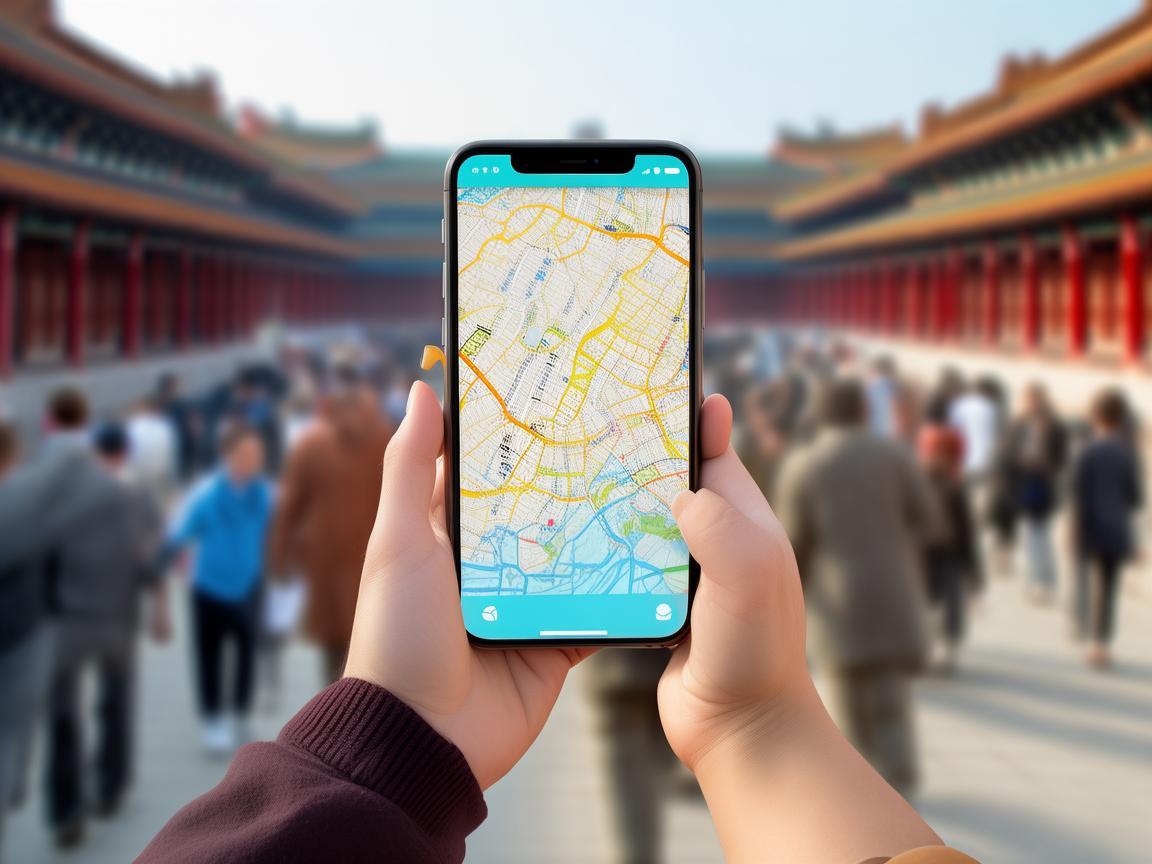
Navigating Xi’an: A Traveler’s Guide to China SIM & Mobile Networks
- Use Google Maps (yes, it works here with a local SIM!), Baidu Maps, or local apps like Didi (China’s Uber).
- Pay for everything: WeChat Pay and Alipay dominate, and most street vendors, small restaurants, and even public toilets only accept mobile payments. Linking these apps to a Chinese phone number is essential.
- Call your hotel, tour guide, or ride-share driver without relying on spotty Wi-Fi.
- Stay connected with family back home via WhatsApp, Instagram, or Telegram (all work fine with a local SIM).
China’s Mobile Network System: The Big Three
China has three major telecom carriers, and for travelers, each has pros and cons. Here’s the lowdown:
China Mobile (中国移动)
- Coverage: The undisputed king. If you’re heading to rural areas, remote temples (like the Terracotta Army’s outskirts), or even just the subway tunnels, Mobile’s 4G/5G signal is the most reliable. I never lost service in downtown Xi’an or at the Big Wild Goose Pagoda.
- Plans: A bit pricier than the others, but worth it for peace of mind. Their “Tourist Packages” are designed for short stays—no annual contracts, easy activation.
- Downside: Customer service can be slow at smaller branches, but airport and downtown counters are efficient.
China Unicom (中国联通)
- Coverage: Solid in cities like Xi’an, but weaker in remote or hilly areas. I noticed slightly slower speeds at the Huaqing Hotels (near the Terracotta Army) compared to Mobile.
- Plans: Cheaper than Mobile, with good value data bundles. Great if you’re sticking to urban areas.
- Downside: Fewer 5G hotspots in Xi’an, so 4G is your main bet.
China Telecom (中国电信)
- Coverage: Best for indoor signal—think hotels, malls, and subway stations. If you spend most of your time indoors, Telecom might surprise you.
- Plans: Competitive pricing, but their SIM cards are harder to find for tourists. Not all airport counters carry them, and downtown stores often require a Chinese ID (more on that later).
- Downside: Limited coverage outside major cities. Skip this if you plan day trips to small villages.
My recommendation: Go with China Mobile. Xi’an is a big city, but you’ll want reliable signal for exploring every corner—from the Bell Tower to the city wall bike path. Mobile’s network won’t let you down.
Where to Buy a SIM Card: Airport, Store, or Online?
You have three options, but some are way easier than others.
Option 1: At Xi’an Xianyang International Airport (XIY) – Easiest for Short-Term Stays
This is what I did, and it saved my day. Right after baggage claim, before you exit the arrivals hall, there are China Mobile and China Unicom counters (look for bright red signs). You’ll need:
- Your passport (they’ll scan it for real-name registration—mandatory in China).
- Cash or a credit card (most counters take both; some Alipay/WeChat too).
What to ask for: The “Tourist SIM Package.” For example, China Mobile offers a 30-day package with:
- 10GB of high-speed 4G data (5GB national + 5GB for Shaanxi Province, where Xi’an is).
- 100 minutes of domestic calls.
- Unlimited texts within China.
- Price: ~¥100–150 ($15–22).
Activation: The staff will insert the SIM, activate it on the spot, and help you set up APN settings (you might not need to—most phones auto-detect). I was online within 10 minutes of buying it.
Pro tip: Avoid buying SIMs from unofficial vendors in the airport—they’re often overpriced or scams. Stick to the official carrier counters.
*Option 2: Downtown Stores – Cheaper, But More Hassle*
If you’re staying longer than a week, you can find cheaper plans at carrier stores in the city. For example:
- China Mobile Stores: Located in major malls (like the Grand Mall in Xiaozhai) or near tourist spots (there’s one on South Street, a short walk from the Bell Tower).
- China Unicom Stores: More common in residential areas—use Baidu Maps to find one.
What you’ll need: Your passport plus a temporary address in China (your hotel address works). The staff will write it down for you.
Plans: A 30-day China Mobile plan with 20GB of data might cost ¥80 ($12)—cheaper than the airport. But you’ll spend time navigating the city, waiting in line, and explaining (with translation apps) that you’re a tourist.
Downside: Some stores require a Chinese ID for “long-term” plans (even 30 days). If the staff hesitates, smile, show your passport, and say “Tourist, short stay” (tourist, duanqi). Most will help, but it’s not as smooth as the airport.
*Option 3: Online – For the Planner*
You can buy SIMs on platforms like Taobao or JD.com, but you need a Chinese address to ship to. Not practical for most tourists. There are “travel SIM” services on sites like Amazon, but they’re overpriced and often take days to deliver. Skip this unless you’re arriving with time to spare.
Real-Name Registration: Non-Negotiable in China
Here’s a critical detail: all Chinese SIM cards must be registered to a real name. You can’t buy one with a fake name or no ID. When you buy your SIM at the airport or store, they’ll scan your passport and link it to the SIM number. This is a government rule—no exceptions.
What if you buy a SIM from a friend or a second-hand vendor? Don’t. It’s illegal to use an unregistered SIM, and the network will block it within 24 hours. Stick to official carriers, and you’ll be fine.
Using Your SIM: Apps, Data, and Payment
Once you have your SIM, the fun begins. Here’s how to set up key apps:
Navigation: Google Maps vs. Baidu Maps
- Google Maps: Works perfectly with a local SIM! It’s my go-to for finding restaurants, subway stations, and estimating travel time.
- Baidu Maps: More popular locally, especially for buses and smaller streets. It’s in Chinese, but if you translate your destination name, it’s accurate. I used both—Google for big routes, Baidu for finding that hidden noodle shop.
Rideshare: Didi (China’s Uber)
Download DiDi (it’s like Uber, but bigger in China). You can pay with Alipay or WeChat Pay, both linked to your phone number. Pro tip: Set your pickup location manually if the GPS is off—DiDi’s address system is very detailed (e.g., “Near the East Gate of the Muslim Quarter”).
Payments: WeChat Pay & Alipay
This is the way to pay in China. Even street vendors selling roasted chestnuts use it. To set up:
- Download WeChat or Alipay (you’ll need a Chinese phone number to register—your new SIM number works!).
- Link a payment method: For tourists, you can link international credit/debit cards (Visa/Mastercard) in the “Wallet” section.
- Add money: You can top up at convenience stores (like 7-Eleven or FamilyMart) or via the app (using your card).
Note: Some small shops might ask to scan your WeChat/Alipay QR code instead of you scanning theirs. Don’t worry—they’ll guide you. And yes, you can still use cash (RMB), but mobile payments are faster and more common.
Data Usage: How Much Do You Need?
Xi’an is a city of exploration—you’ll be using maps, sharing photos, and maybe watching YouTube. Here’s a rough guide:
- Light user (1–2GB/day): Navigation, quick messages, occasional photo uploads. Perfect if you’re sticking to major sights (Terracotta Army, City Wall).
- Medium user (3–5GB/day): Video calls, streaming Netflix (yes, it works with a VPN!), and lots of photos. Ideal for travelers who want to stay connected.
- Heavy user (5GB+): Live streaming, gaming, or downloading large files. Most tourist plans cover 10GB, which is enough for even heavy use.
My plan: 10GB for 30 days. I used about 1.5GB/day—mostly Google Maps, WeChat, and sending photos to family. Never ran out.
Troubleshooting: Common Issues & Fixes
Even with the best plan, things can go wrong. Here’s how to fix them:
“No Service” or “Emergency Calls Only”
- Cause: SIM not inserted properly, or your phone is locked to another carrier.
- Fix: Turn your phone off and on. If that doesn’t work, check the SIM slot (some iPhones need a SIM ejector tool). If your phone is carrier-locked, you’ll need to unlock it before using a Chinese SIM (contact your carrier before leaving home).
Slow Data Speeds
- Cause: You’ve used up your high-speed data (most plans throttle to 128kbps after).
- Fix: Buy a data top-up at a convenience store or via the carrier’s app. China Mobile’s “Recharge” app lets you add 1GB for ¥10 ($1.50)—super cheap.
Can’t Make Calls
- Cause: You’re trying to call an international number without the “+” prefix.
- Fix: Dial +86 before Chinese numbers (e.g., +86 29 1234 5678 for a Xi’an hotel). For international calls, use a app like WhatsApp or WeChat Call (uses data, cheaper than SIM calls).
Final Tips for a Smooth Experience
- Bring a power bank: You’ll be using your phone nonstop for maps and payments—don’t let it die mid-adventure.
- Download apps offline: Before you leave Wi-Fi, download Google Maps of Xi’an (offline areas) and a translation app (like iTranslate or Google Translate—works offline too).
- Keep your SIM safe: Store it in the SIM card tray of your phone case—losing it means a trip to the carrier store (and re-registering, which takes time).
Wrapping Up
Getting a China SIM card in Xi’an is easier than you think—especially at the airport. It’s the key to unlocking a hassle-free trip: no more wandering lost, no more fumbling for cash, and no more disconnecting from the world. With a local SIM, you can focus on what matters: biting into a crispy roujiamo, watching the sunset from the city wall, and marveling at the terracotta warriors.
So before you fly to Xi’an, add “buy China SIM” to your checklist. Trust me, it’s the best $15 you’ll spend on your trip. Happy travels!
Xi’an Airport Transfer Service
Private English-speaking driver service in Xi’an operated directly by Bruce Zhang. 24/7 airport pickup and hotel transfer for foreign travelers.
Helpful for Your Trip in Xi’an
Your Ultimate China SIM App Guide: Navigating Xi’an Like a Local
2026-07-27China SIM: My Lifeline for Seamless Travel in Xi’an
2026-07-27Xi’an Travel Guide: Staying Connected with China SIM for a Hassle-Free Trip
2026-07-27Navigating Xi’an: A Traveler’s SIM Card Troubleshooting Guide
2026-07-27Xi’an Travel Tips: Staying Connected with China SIM & Offline Maps
2026-07-27Why a China 5G SIM Made My Xi’an Trip Effortless (and How to Get One)
2026-07-27Your Essential Guide to Getting a SIM Card in Xi’an: A Traveler’s Handbook
2026-07-27Xi’an Hotspot Access: A Traveler’s No-Nonsense Guide to China’s Ancient Capital
2026-07-27Xi’an Travel Tips: My Hassle-Free China SIM Activation Experience
2026-07-26Your Xi’an SIM Card Survival Guide: Skip the Roaming Rip-offs with China SIM Kiosks
2026-07-26