

Xi’an Travel Tips: Getting a China SIM Card Made Easy
Landing in Xi’an for the first time, I was buzzing with excitement to explore the Terracotta Army, cycle on the ancient city walls, and get lost in the Muslim Quarter’s bustling lanes. But within an hour of arriving, a familiar traveler’s panic hit: “How will I navigate? Pay for snacks? Call my hotel?” Back home, I’d heard horror stories about China’s strict internet controls and expensive international roaming, so a local SIM card was my top priority. If you’re heading to Xi’an, let me walk you through exactly how to get set up—no stress, just smooth travels.
Why You Need a Local SIM Card in Xi’an
Before we dive into how to get one, let’s talk why. Xi’an is incredible, but it’s not a city where you can “wing it” without connectivity. Here’s what a local SIM unlocks:
- Navigation: Apps like Baidu Maps (super reliable in China) or Gaode Maps will guide you from the Terracotta Army to the Big Wild Goose Pagoda without getting lost.
- Payments: WeChat Pay and Alipay are everywhere—even street vendors selling roujiamo (Xi’s famous burgers) or bus fares require them. No cash? No problem, if you have data.
- Communication: Calling your hotel to confirm check-in, or using WeChat to message travel buddies, is way easier than relying on spotty hotel Wi-Fi.
- Convenience: Booking high-speed train tickets to Luoyang or Chengdu, ordering food via Ele.me (China’s Uber Eats), or checking museum opening times—all need a local number.
International roaming? It’s an option, but I’ve seen friends get hit with $50/day bills just for scrolling Instagram. A local SIM? Costs as little as $10 for a week of data. Totally worth it.
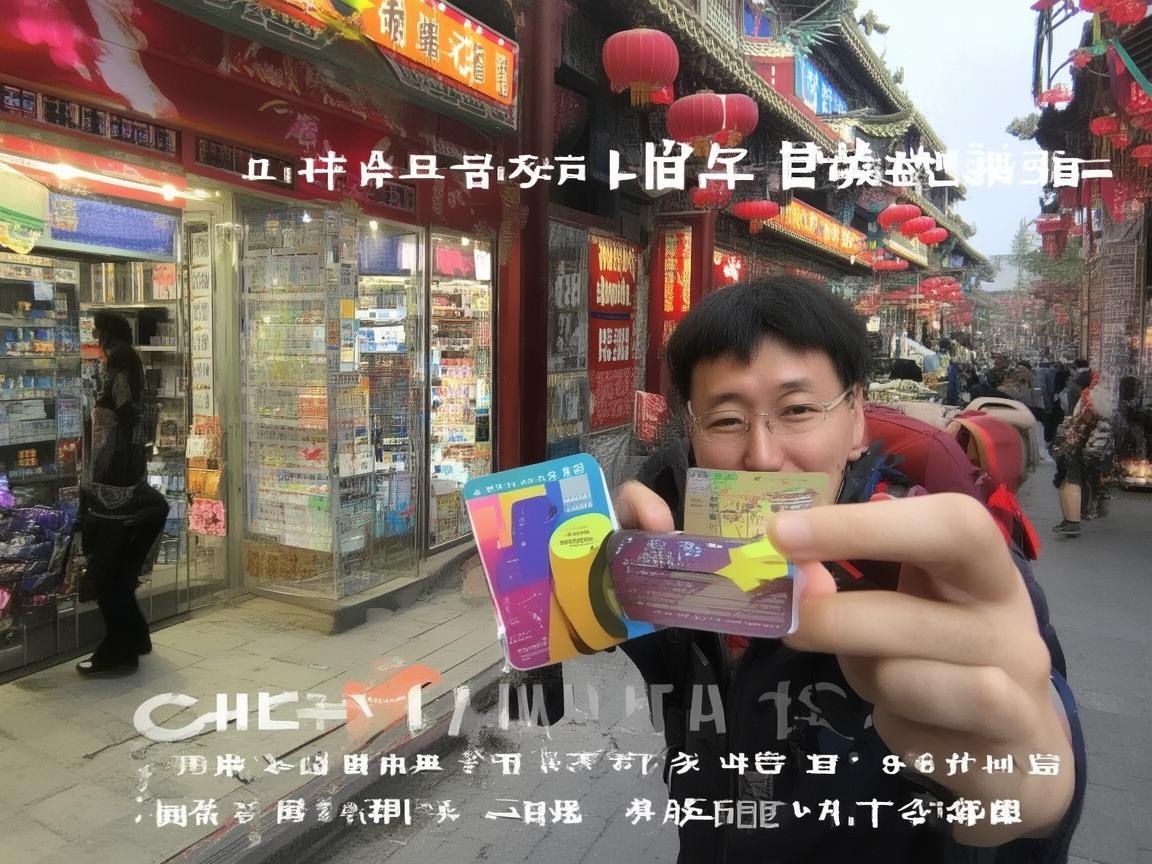
Xi’an Travel Tips: Getting a China SIM Card Made Easy
Where to Get a SIM Card: 3 Easy Options
Xi’an makes it simple to grab a SIM card—here are the most reliable spots, ranked from “easiest for first-timers” to “budget-friendly.”
Xi’an Xianyang International Airport (XIY): The “No-Stress” Choice
If you’re like me and want to sort out connectivity the second you land, the airport is your best bet. The SIM card counters are right in the arrival halls, before immigration (so you can grab one even if you haven’t registered your hotel yet yet).
Which operators are there?
- China Mobile (中国移动): The biggest network, with the best coverage in rural areas and tourist spots like Huashan Mountain (if you plan a day trip).
- China Unicom (中国联通): Slightly cheaper than Mobile, with solid coverage in Xi’an city center. Great if you’re sticking to urban areas.
- China Telecom (中国电信): Less common at airports, but worth a look if you need super-fast 5G (though 4G is perfectly fine for most travelers).
What you’ll need:
- Your passport (they’ll scan it for registration—this is mandatory in China).
- Cash or a Chinese bank card (some counters take Alipay/WeChat Pay, but cash is safer).
My experience: I landed at 10 PM, tired but eager to get to my hotel. The Mobile counter was easy to spot—bright red signs with “SIM Card” in English. The staff spoke basic English, handed me a menu of packages, and helped me pick the best one. Within 15 minutes, I had a working SIM card and was connected to Wi-Fi at the airport, ready to call my hotel via WeChat.
Official Operator Stores in the City: The “Local” Vibe
If you prefer to explore the city first, pop into a local store of China Mobile or Unicom. These are everywhere—you can’t miss them (Mobile’s logo is a red “CM,” Unicom’s is a blue “C”).
Where to find them:
- Zhonglou (Bell Tower) Area: The heart of Xi’an, surrounded by shopping malls and restaurants. There’s a huge Mobile store on the main street near the Bell Tower—easy to spot and staffed with English speakers.
- Xiaozhai (小寨): A student area with lots of tech stores and Unicom outlets. Great if you’re staying near Xi’an Jiaotong University.
- Muslim Quarter: Even in the touristy area, you’ll find small operator kiosks. Perfect if you realize you need more data while snacking on lamb skewers!
What to ask for:
Say, “Hello, I need a tourist SIM card, please. English, please.” The staff will usually have pre-made tourist packages.
My tip: Avoid “unofficial” SIM sellers on the street—they might offer cheap deals, but the numbers could be unregistered, or the data might be slow. Stick to official stores.
Convenience Stores: The “Last-Minute” Fix
Forgot to get a SIM at the airport or a store? No worries. Major convenience chains like 7-Eleven and FamilyMart sell tourist SIM cards, especially in busy areas like the train station or near hotels.
What they offer:
- Pre-loaded “tourist cards” with 7-30 days of data, usually 10-30 GB.
- Easy top-ups if you run out of data (just show your passport at the counter).
Downside: Selection is smaller than at operator stores, and some staff might not speak English. But if you’re in a pinch, they work!
Choosing the Right Plan: Data, Calls, and Cost
Now for the fun part: picking a plan. As a tourist, you’ll care most about data (for apps and payments) and maybe calls (to contact hotels or tour guides). Here’s what to look for:
Data Packages: “How Much Do I Need?”
Xi’an’s 4G coverage is excellent—almost everywhere in the city and major tourist spots has strong signal. For most travelers, 10-20 GB of data per week is enough. Here’s a breakdown:
| Plan Duration | China Mobile | China Unicom | What It Covers |
|---|---|---|---|
| 7 Days | ¥50 (~$7) | ¥40 (~$5.50) | 15 GB data, WeChat/Alipay, basic calls |
| 15 Days | ¥90 (~$12) | ¥70 (~$10) | 30 GB data, unlimited WeChat/Alipay, 100 mins calls |
| 30 Days | ¥150 (~$20) | ¥120 (~$17) | 50 GB data, 5G access (in city center), 300 mins calls |
My pick: I went with Unicom’s 7-day, ¥40 plan. It had 15 GB of data—enough for Google Maps (yes, it works with a local SIM!), WeChat, and posting photos on Instagram. I barely used 10 GB in a week.
Calls: “Do I Need Them?”
If you’re traveling with friends or need to call your hotel, a plan with 50-100 mins of local calls is handy. But most travelers just use WeChat voice or video—it’s free and works over data. I didn’t buy any call minutes and never needed them.
5G: “Is It Worth It?”
Xi’an’s city center has 5G coverage, but honestly, 4G is fast enough for streaming, browsing, and navigation. If you’re a tech nerd, go for a 5G plan (usually ¥10-20 more). If not, skip it—save your money for delicious Xi’an food!
Step-by-Step: Activating Your SIM Card
Getting the SIM is half the battle—activating it is the other half. Here’s how to do it (don’t worry, it’s easy):
- Insert the SIM: Turn off your phone, pop in the SIM (most phones use a nano-SIM—ask the store if you need an adapter).
- Register It: This is mandatory in China. The store staff will usually do this for you using your passport. If you buy it at a convenience store, they’ll give you a QR code to scan with a government app (but don’t worry—they’ll walk you through it).
- Top Up Data: If your plan doesn’t come with pre-loaded data, ask the staff to help you add it. They’ll send a text message or use an app to activate it.
- Test It: Open WeChat or Baidu Maps—within a few minutes, you should be connected!
Pro Tips: Avoiding Headaches
- Download Offline Maps: Even with a SIM, some remote areas (like parts of the city wall or rural villages) might have spotty signal. Download Baidu Maps’ “Offline Map” for Xi’an before you leave your hotel.
- WeChat/Alipay Setup: If you haven’t already, link your international credit card to WeChat Pay or Alipay before you travel. This way, you can pay even if your SIM data runs out (uses Wi-Fi).
- Backup SIM: If you’re super worried about connectivity, buy two SIMs—one from Mobile (for rural areas) and one from Unicom (for city center). It’s overkill, but peace of mind is worth it!
My Xi’an Story: From Panic to Adventure
Remember that panic I felt landing in Xi’an? By the time I got to my hotel, I was calm and connected. The next morning, I used Baidu Maps to walk to the Muslim Quarter, paid for a jianbing (Chinese crepe) with WeChat Pay, and even called a taxi to the Terracotta Army. Without my local SIM, I’d have been fumbling with cash, asking for directions in broken Mandarin, and stressing about every step.
Xi’an is a city where old meets new—ancient walls stand next to skyscrapers, and street vendors sell tanghulu (candied fruit) while livestreamers film nearby. A local SIM card is your key to experiencing it all seamlessly.
Final Thoughts
Getting a SIM card in Xi’an is easier than ordering bubble tea. Whether you grab one at the airport, a city store, or a convenience shop, you’ll be connected in minutes. Don’t let tech worries ruin your trip—focus on the food, the history, and the magic of this ancient city.
Now go, explore—and don’t forget to try the paomo (bread soaked in lamb soup) while you’re at it!
Xi’an Airport Transfer Service
Private English-speaking driver service in Xi’an operated directly by Bruce Zhang. 24/7 airport pickup and hotel transfer for foreign travelers.
Helpful for Your Trip in Xi’an
Your Ultimate China SIM App Guide: Navigating Xi’an Like a Local
2026-07-27China SIM: My Lifeline for Seamless Travel in Xi’an
2026-07-27Xi’an Travel Guide: Staying Connected with China SIM for a Hassle-Free Trip
2026-07-27Navigating Xi’an: A Traveler’s SIM Card Troubleshooting Guide
2026-07-27Xi’an Travel Tips: Staying Connected with China SIM & Offline Maps
2026-07-27Why a China 5G SIM Made My Xi’an Trip Effortless (and How to Get One)
2026-07-27Your Essential Guide to Getting a SIM Card in Xi’an: A Traveler’s Handbook
2026-07-27Xi’an Hotspot Access: A Traveler’s No-Nonsense Guide to China’s Ancient Capital
2026-07-27Xi’an Travel Tips: My Hassle-Free China SIM Activation Experience
2026-07-26Your Xi’an SIM Card Survival Guide: Skip the Roaming Rip-offs with China SIM Kiosks
2026-07-26