

A First-Timer’s Guide to Payments in Xi’an: Navigating China’s Cashless World Safely
Landing in Xi’an, I was buzzing with excitement—ancient city walls, terracotta warriors, and steaming bowls of roujiamo (Chinese hamburgers) were calling my name. But within an hour of arriving, I hit my first roadblock: payment. I stepped into a convenience store to buy a bottle of water, reached for my credit card, and the shopkeeper just shook his head, pointing to a QR code on the counter. “WeChat or Alipay only,” she said in Mandarin, gesturing to her phone. I stood there, wallet in hand, feeling utterly lost. That moment taught me a harsh truth: in China, especially as a foreigner, understanding payments isn’t just helpful—it’s essential. After a week of trial, error, and a few close calls with scams, I’ve put together this guide to help you avoid my early struggles and navigate Xi’an’s cashless world safely.
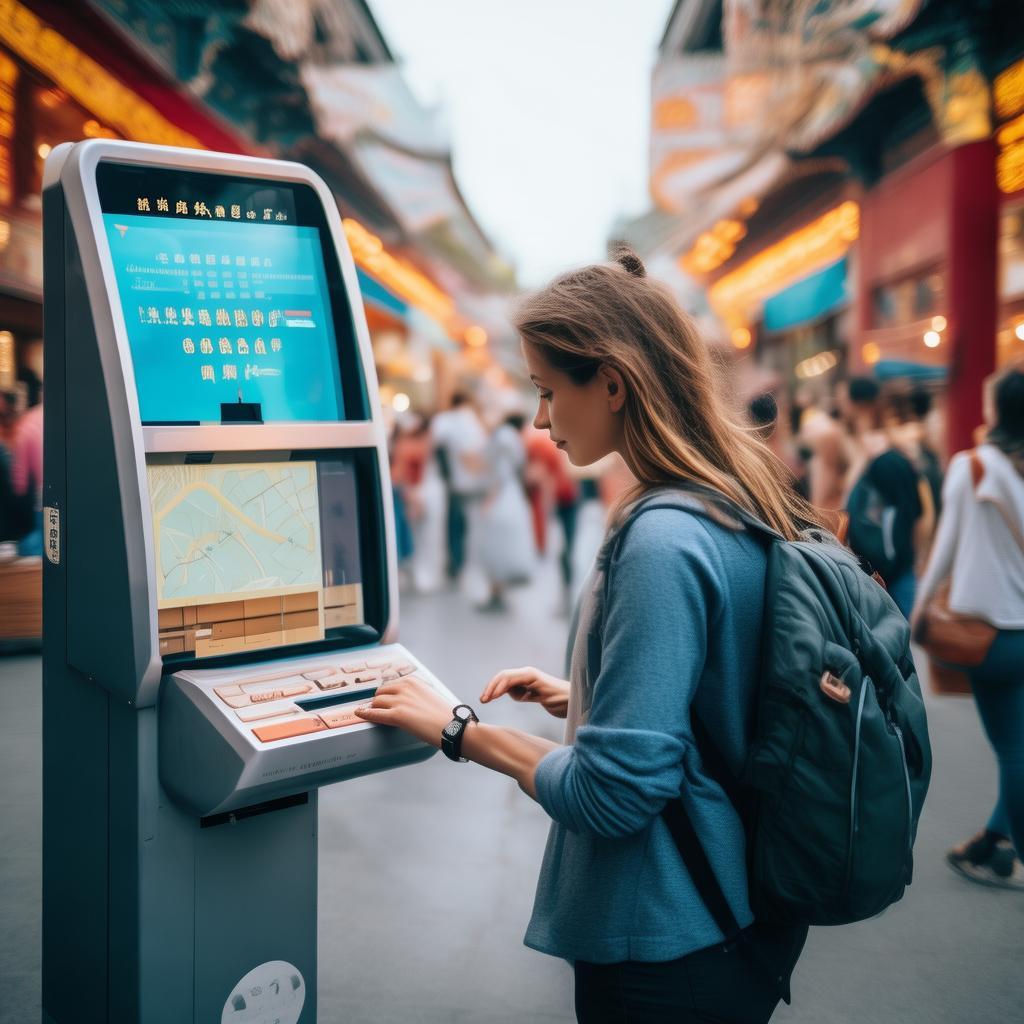
A First-Timer’s Guide to Payments in Xi’an: Navigating China’s Cashless World Safely
First Things First: Why Cash Isn’t King (Anymore)
Back home, I rarely carry cash, but I assumed China would be different—wrong. In Xi’an, even street vendors at the bustling Muslim Quarter, tiny hole-in-the-wall noodle shops, and even the ticket counter for the Terracotta Army prefer mobile payments. Cash is still accepted in some places (like larger supermarkets or hotels), but relying on it will limit your options and waste time exchanging currency at airports or banks.
The two giants here are WeChat pay and Alipay. Think of them as China’s version of PayPal, but way more integrated into daily life. You can use them to buy anything from a 5 RMB bowl of liangpi (cold skin noodles) to a 500 RMB entrance ticket. But here’s the catch: as a foreigner, you can’t just download the apps and start paying. You need to set them up properly—and that’s where my guide comes in.
Setting Up WeChat Pay & Alipay: Step-by-Step
Both apps require a Chinese phone number to register, which I didn’t have. Solution? Use your passport to sign up via the “Foreigner Registration” option. Here’s how I did it for WeChat Pay (Alipay is nearly identical):
- Download the App: Get “WeChat” from the App Store or Google Play.
- Sign Up: Open the app, tap “Sign Up,” and select “I’m a foreigner.” You’ll need to enter your passport number, full name (as it appears on your passport), and a visa (if you have one).
- Link a Payment Method: This is the key step. You can’t just add a foreign credit card right away (more on that later). Instead, ask a Chinese friend to help you “transfer” money into your WeChat Wallet via their own account. For example, if your friend sends you 100 RMB, that amount becomes your “balance” in WeChat Pay, which you can use to pay anywhere.
- Add a Foreign Card (Optional but Useful): If you want to link a Visa/Mastercard, go to “WeChat Pay” > “Payment Methods” > “Add Bank Card.” Enter your card details, but note: some foreign cards don’t work for small transactions (under 100 RMB) due to bank limits. Test with a small purchase first!
Pro Tip: If you don’t have a Chinese friend, use services like “WorldRemit” or “Remitly” to transfer money into your WeChat/Alipay account. It takes a few days but is worth it for convenience.
Where to Use Mobile Payments: Xi’an’s Cashless Hotspots
Once set up, you’ll be amazed at how easy paying becomes. Here’s where I used WeChat and Alipay most:
- Food Stalls & Markets: The Muslim Quarter is a cashless paradise. Vendors have laminated QR codes taped to their carts—just open WeChat/Alipay, scan, and confirm the payment. I once bought a jianbing (Chinese crepe) from a street vendor in 10 seconds flat, no wallet needed.
- Tourist Sites: The Terracotta Army, Big Wild Goose Pagoda, and Shaanxi History Museum all accept mobile payments for tickets. Skip the long ticket lines (where they might only take cash) and buy tickets directly on-site via Alipay—weChat’s “Mini Programs” (小程序) also let you book tickets in advance.
- Transportation: Taxis and most metro stations in Xi’an accept mobile payments. For taxis, just tell the driver you’ll pay with WeChat/Alipay—they’ll show you their QR code (usually on the back of the seat). Metro stations have self-service ticket machines that take Alipay/WeChat, but if you’re in a hurry, mobile payments work for entry too (just scan the QR code at the gate).
- Hotels & Shopping: Most mid-range to high-end hotels let you pay via WeChat/Alipay at check-out. Even local malls, like the Century Ginwa department store, accept mobile payments for everything from clothes to snacks.
Cash: When You Still Need It
Despite the cashless boom, there are a few times you’ll want to carry some RMB:
- Rural Areas or Small Villages: If you take a day trip to places like Huashan Mountain (near Xi’an) or remote temples, some small vendors or ticket booths might only take cash.
- Tips: While tipping isn’t common in China, if you want to tip a hotel cleaner or a taxi driver for exceptional service, cash is easier.
- Emergency Backup: Always keep 200-300 RMB in your wallet in case your phone dies, you lose internet, or a vendor doesn’t accept mobile payments.
Where to Exchange Cash: Avoid exchanging at airports—their rates are terrible. Instead, go to a Bank of China or ICBC branch in the city. I exchanged USD at a Bank of China near the Bell Tower, and the rate was much better. They also have ATMs that accept foreign cards if you run out of cash.
Payment Scams: How to Stay Safe (This Matters!)
China’s mobile payment system is generally safe, but as a foreigner, you’re a target for scams. I almost fell for a fake “ticket scam” on my second day—here’s what to watch for:
Fake QR Codes
This is the most common scam. Scammers will place their QR code over a legitimate one (e.g., on a restaurant table or a metro station machine). When you scan, the money goes to them, not the business.
- How to Avoid: Always double-check the QR code. For WeChat, look for the merchant’s name (e.g., “星巴克” for Starbucks) before you confirm the payment. If the name looks random (like “个人收款” or a string of numbers), don’t scan it.
“Overcharge” Scams
Some vendors (especially in tourist areas) might try to charge you extra if they see you’re a foreigner. For example, a bowl of noodles that should cost 15 RMB might be “accidentally” rung up as 50.
- How to Avoid: Check prices on a menu before ordering. If you’re overcharged, politely show them the menu price and refuse to pay extra. Most vendors will back down if you’re firm.
Fake “Customer Service” Calls
I got a call once saying my WeChat account was “suspended due to suspicious activity.” The caller told me I needed to verify my passport and credit card details to unlock it. It sounded official—they even had my name and phone number—but I hung up and checked WeChat’s official help center (no issues).
- How to Avoid: Never share personal info (passport, credit card, passwords) over the phone or via text. Official apps like WeChat and Alipay will never ask for this info. If you’re worried, log into the app directly and contact their customer service through the in-app chat.
Rental Deposit Scams
If you’re renting a bike or scooter (common around Xi’an’s city walls), some landlords might demand a “deposit” via mobile payment, then claim you “damaged” the bike to keep the money.
- How to Avoid: Use rental services with official apps (like “Hellobike” or “Meituan Bike”), where deposits are held by the company, not the individual. If you rent from a private person, take photos of the bike before you pay and insist on a receipt.
My Top Payment Tips for Xi’an
After a week of exploring, here are the rules I lived by:
- Always Carry a Power Bank: Your phone is your wallet—if it dies, you’re stuck. I carried a small power bank everywhere, especially when visiting crowded places like the Muslim Quarter.
- Learn Basic Mandarin Phrases: “现金还是移动支付?” (Cash or mobile payment?) and “这个多少钱?” (How much is this?) saved me multiple times. Even if the vendor doesn’t understand English, they’ll point to the QR code.
- Use the “Translate” Feature: WeChat and Alipay have built-in translators. If a vendor shows you a price in Chinese, just take a screenshot, open the translate app, and point to the text—they’ll understand.
- Keep Payment Receipts: Both WeChat and Alipay let you save payment records. If there’s a dispute (e.g., a vendor claims you didn’t pay), you can show them the transaction details in your app.
Final Thoughts
Xi’an is a city where ancient history meets cutting-edge technology, and its payment system is no exception. At first, I was overwhelmed by the cashless chaos, but once I got the hang of WeChat Pay and Alipay, it made traveling so much smoother. The key is to prepare before you go—set up your apps, learn the basics, and stay alert for scams.
By the end of my trip, I was scanning QR codes like a local, ordering baozi (steamed buns) without a second thought, and even teaching a fellow tourist how to link her Alipay account. China’s payment system is designed to be convenient, and with a little caution, it’s one of the easiest parts of traveling here. So come to Xi’an, bring your phone, and get ready to explore—just don’t forget to download those apps!
Xi’an Airport Transfer Service
Private English-speaking driver service in Xi’an operated directly by Bruce Zhang. 24/7 airport pickup and hotel transfer for foreign travelers.
Helpful for Your Trip in Xi’an
Xi’an Night Markets: A Tourist’s Guide to Navigating QR Code Payments Like a Local
2026-09-08Renting a Car in Xi’an as a Foreigner: A Practical Guide to Payments and More
2026-09-0612-Hour Xi’an Layover: A Foreigner’s Guide to Payments & Must-See Spots
2026-09-03Xi’an Travel Tips for Foreigners: Navigating Payments & Hotel Drop-offs Like a Pro
2026-09-02Your QR Payment Survival Guide for Xi’an: How to Pay Like a Local
2026-09-01Xi’an Travel Tips: Why Cash Still Matters (and Where to Use It!)
2026-08-26Macau Payment Guide for Foreign Travelers: From Cash to Apps
2026-08-19Xi’an Travel: A Tourist’s Guide to Scenic Area Payments & Tips
2026-08-13Navigating Payments in Xi’an Without a Data Plan: A Tourist’s Practical Guide
2026-08-11Smart Savings in Xi’an: A Traveler’s Guide to Education-Friendly Payment Systems
2026-08-10