

Navigating Xi’an’s Tourism Payment System: A Traveler’s Practical Guide
Landing in Xi’an, my first thought wasn’t just about the Terracotta Warriors or the Muslim Quarter’s street food—though those were top of mind. It was: How am I going to pay for everything here? As a traveler from Canada, I’d heard China was a cashless society, but I’d also read warnings about payment apps, foreign card acceptance, and the occasional “cash-only” spot. After a week navigating Xi’an like a local (with a few hiccups along the way), I’ve broken down exactly how to handle money here—no jargon, just real advice to save you stress.
First Stop: Cash Isn’t Dead (But It’s Rare)
Before I left, a friend told me, “Bring cash! You’ll need it for small vendors.” She was half-right. In big cities like Beijing or Shanghai, cash is barely visible, but Xi’an—a mix of ultra-modern malls and ancient alleyways—still has a few “cash-only” corners.
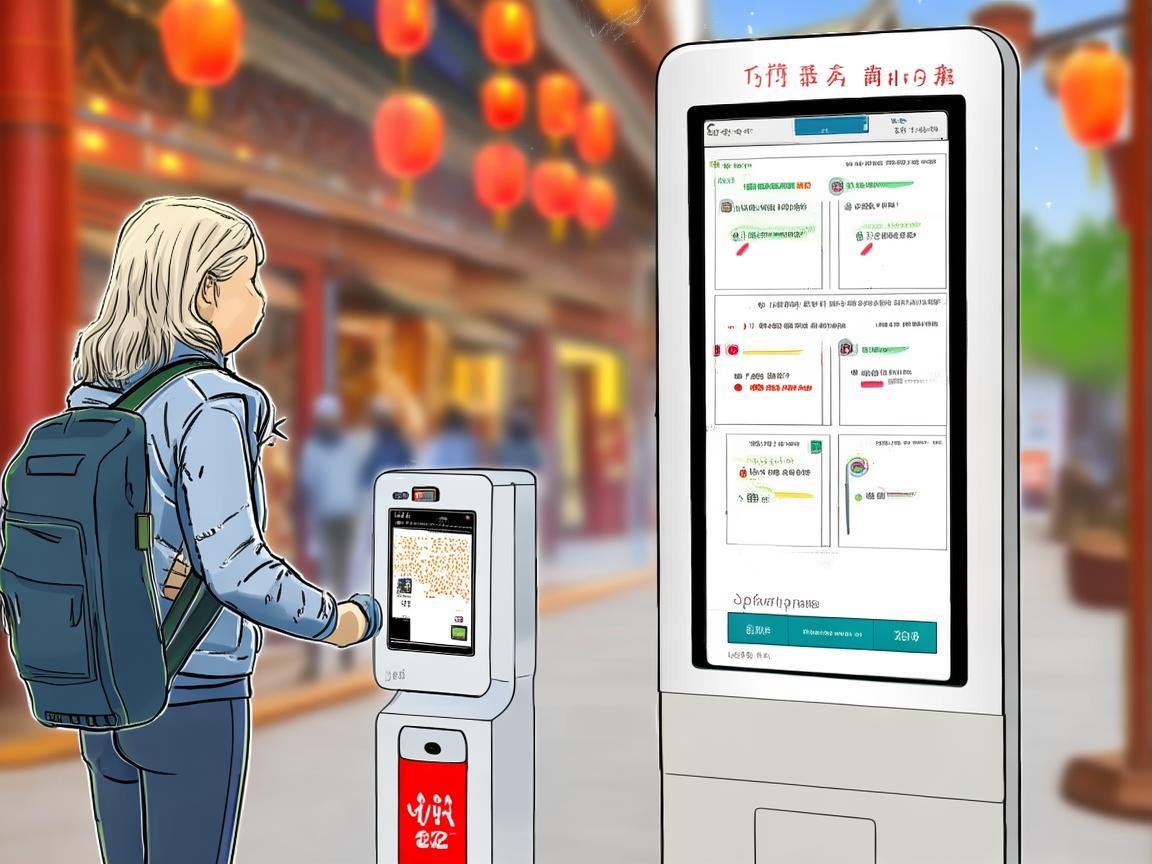
Navigating Xi’an’s Tourism Payment System: A Traveler’s Practical Guide
When do you need cash?
- Street food stalls: In the Muslim Quarter (Huimin Jie), most stalls selling roujiamo (meat sandwiches) or tanghulu (candied haws) only take cash. I tried paying with my phone at a steamed bun stall, and the vendor just pointed to a “现金支付” (cash payment) sign. Keep small bills: 10, 20, and 50 yuan notes are easiest. Avoid 100 yuan notes for small purchases—shopkeepers often struggle to change them, and it’s easier to carry smaller denominations.
- Temples and smaller attractions: Some smaller temples, like the City God Temple (Chenghuang Miao), in the Muslim Quarter, still charge entry fees in cash. I paid 20 yuan to enter a quiet courtyard temple near the Drum Tower, and the ticket booth didn’t have a QR code scanner.
- Rural areas or day trips: If you take a day trip to the Famen Temple (about 2 hours from Xi’an), the nearby village snack stalls might not accept digital payments.
Where to get cash?
- ATMs at airports/train stations: Xi’an Xianyang International Airport has multiple ATMs (Bank of China, ICBC) in the arrival hall. They accept foreign cards (Visa, Mastercard, UnionPay) and dispense yuan in 100, 200, or 500 yuan notes. I withdrew 1,000 yuan upon landing—enough for a few days of street food and small purchases.
- Banks downtown: If you run out of cash, head to a major bank like ICBC or China Construction Bank (CCB). They have English-speaking staff and ATMs. Pro tip: Some ATMs require inserting your card (not sliding it), so check the slot before you insert.
- Hotels: Most mid-range to high-end hotels (like the Sheraton or Hyatt in the city center) can exchange foreign currency, but the rates are worse than ATMs. Only do this if it’s an emergency.
The Big One: Mobile Payments (Alipay & WeChat Pay)
Let’s be real: 90% of your payments in Xi’an will be mobile. I went three days without using cash after my first day—once I figured out the apps. But for foreigners, setting these up can feel like decoding rocket science. Here’s how to do it without a Chinese bank account.
Alipay: The “All-in-One” App
Alipay is like PayPal + Venmo + a city guide. It’s accepted everywhere: restaurants, malls, taxis, even vending machines.
How to set it up as a foreigner:
- Download Alipay: It’s available on the App Store/Google Play.
- Sign up with your phone number: You’ll need a Chinese phone number to verify, but there’s a workaround. If you’re staying at a hotel, ask the front desk to let you use their number temporarily (many are used to this). Alternatively, buy a local SIM card at the airport (China Unicom or China Mobile offer tourist plans with data and a local number for ~50 yuan/week).
- Add foreign cards: Go to “Me” → “Payment Methods” → “Add Bank Card.” You can link Visa, Mastercard, or UnionPay cards. I linked my Canadian Visa, and it worked for most payments.
- Enable “Scan to Pay”: On the home screen, tap the blue “Scan” icon. This will scan QR codes at stores—just like Apple Pay or Google Wallet.
Pro tip for Alipay:
- Some vendors ask if you have a “Chinese bank account.” If you don’t, just say “foreign card” (they’ll understand). I paid for a bowl of Yang Rou Pao Mo (Xi’an’s famous lamb soup) with Alipay, and the vendor just scanned my QR code—no problem.
- For small amounts (under 100 yuan), Alipay doesn’t require a PIN—you just hold your phone up to the scanner. It’s faster than cash!
WeChat Pay: The “Social” Payment App
WeChat Pay is integrated into WeChat (China’s super-app: think WhatsApp + Instagram + Uber). If you use WeChat to message friends or get directions, you’ll probably use WeChat Pay too.
How to set it up as a foreigner:
- Download WeChat: If you haven’t already, create an account with your phone number.
- Go to “Me” → “Wallet”: Tap “Payment Methods” → “Add Bank Card.”
- Link your foreign card: Same as Alipay—you can add Visa, Mastercard, etc.
- Enable “Scan to Pay”: In the Wallet, tap the “Scan” icon (it’s a QR code scanner).
WeChat vs. Alipay: Which one to use?
- Alipay is better for standalone payments (like at a restaurant or store).
- WeChat Pay is better if you’re already using WeChat for anything else (e.g., asking a vendor for directions via WeChat Chat, then paying them instantly).
- Bottom line: Both work almost everywhere. If you only have time to set up one, pick Alipay—its interface is slightly more foreigner-friendly.
The “QR Code” Culture: What to Expect
In Xi’an, every vendor has a QR code. Some are stuck on tables, others are on little stands—just look for a black-and-white square with a logo (Alipay’s blue “扫一扫” or WeChat’s green “微信支付”).
What if a vendor doesn’t have a QR code?
- Ask! Most shopkeepers speak a little English, or you can point to your phone and say “Alipay?” or “WeChat?” They’ll understand.
- If they still don’t have one, they’ll probably take cash. I encountered this once at a tiny tea shop near the Bell Tower—just had to pull out a 20 yuan note.
Credit/Debit Cards: When to Use Them
Mobile payments are king, but cards still have their place—especially for bigger expenses.
Where cards work well:
- Hotels: All mid-range to high-end hotels (like the Marriott or InterContinental) take Visa/Mastercard. I paid for my room at the Hyatt with my Canadian debit card—no fees, smooth process.
- Large malls and chain stores: Places like the Grand Mall (西安开元商城) or H&M accept cards. The POS machine will ask if you want to pay in RMB or your home currency—always choose RMB. The exchange rate for “home currency” is terrible (they add a 3-5% fee).
- Restaurants: Upscale restaurants (like those in the Sofitel hotel) take cards, but smaller family-run spots might not. I tried paying with a card at a noodle shop in the Muslim Quarter—they just shook their head and pointed to a QR code.
Cards to avoid:
- American Express: It’s accepted at very few places in Xi’an (mostly luxury hotels). Stick with Visa or Mastercard—they’re more widely accepted.
- Foreign cards with dynamic currency conversion (DCC): As mentioned earlier, always pay in RMB. DCC lets you see the price in your home currency, but the exchange rate is worse than your bank’s.
Small Fees & Hidden Costs to Watch For
China’s payment system is mostly transparent, but there are a few fees to keep in mind:
- ATM withdrawal fees: Your bank might charge a foreign transaction fee (mine charges 3% per withdrawal). ICBC and Bank of China sometimes charge a small fee (~10-20 yuan) for using foreign ATMs—check with your bank before you go.
- Currency exchange fees: Avoid exchanging money at hotels or airports—their rates are terrible. Use ATMs instead; they give you the “interbank rate” (the best rate).
- WeChat/Alipay fees: For foreign cards, both apps charge a small fee (~1-2%) for transactions over 1,000 yuan. I paid for a tour of the Terracotta Warriors via Alipay (1,200 yuan) and got charged 12 yuan—no big deal, but worth knowing.
What If I Can’t Pay? Troubleshooting Tips
Even with the best prep, things can go wrong. Here’s what to do if you hit a snag:
- No internet? Download offline maps (Google Maps or Baidu Maps) and keep a small amount of cash (200-300 yuan) for emergencies. I lost my data one day in the Muslim Quarter—luckily, I had cash for lunch.
- QR code not scanning? Ask the vendor to re-print it. Sometimes the QR code is faded or has glare.
- Card declined? Call your bank before you go to let them know you’re traveling in China. My card was blocked once because I didn’t “alert” them—I had to call collect to unblock it (not fun when you’re hungry and trying to pay for dumplings!).
Final Thoughts: You’ve Got This!
Xi’an’s payment system is way easier than I expected. Once I set up Alipay and grabbed some cash, I felt like a local—paying for lamb skewers with a QR code, hailing a taxi with WeChat, even buying a bottle of water from a vending machine with my phone. The key is to prepare: download the apps, get a little cash, and don’t be afraid to ask for help (Xi’an’s residents are super friendly).
At the end of the day, the payment system is just a tool—what matters is the experience. So go eat that roujiamo, climb the City Wall, and get lost in the Muslim Quarter. Don’t let money stress ruin your trip—because in Xi’an, paying for things is the easiest part of your adventure.
Safe travels, and enjoy the dumplings! ?
Xi’an Airport Transfer Service
Private English-speaking driver service in Xi’an operated directly by Bruce Zhang. 24/7 airport pickup and hotel transfer for foreign travelers.
Helpful for Your Trip in Xi’an
Navigating Xi’an’s Metro: A Foreigner’s Practical Payment Guide
2026-07-27Navigating Xi’an: A Tourist’s Guide to Mastering Mobile Payments in China
2026-07-27Navigating Xi’an Like a Local: My Digital Pay Survival Guide
2026-07-26Xi’an Travel Tips: Cash vs. QR Codes for Entrance Tickets——A Tourist’s Practical Guide
2026-07-25Alipay for Foreign Travelers in Xi’an: A Practical Setup Guide
2026-07-25How to Survive (and Thrive) in Xi’an: A Tourist’s Guide to Digital Transactions
2026-07-24Navigating Theme Park Payments in Xi’an: A Traveler’s Practical Guide
2026-07-24Xi’an’s Convenience Stores: Your Go-To for Easy Travel Payments
2026-07-23My Cash Backup Strategy for Traveling in China: A Tourist’s Practical Guide
2026-07-22Emergency Payments in Xi’an: A Foreign Traveler’s Practical Guide
2026-07-22