

Navigating Xi’an Like a Local: My Go-To Apps for Booking Attractions & Paying Smart
First things first: I’m not a tech whiz. When I landed in Xi’an, all I wanted was to wander through the Muslim Quarter, stare in awe at the Terracotta Warriors, and maybe cycle on the ancient city walls—without getting lost or ripped off. But within 24 hours, I realized my phone wasn’t just for taking selfies; it was my key to unlocking Xi’an like a local. Let me break down the apps that turned my stress into smooth sailing—because trust me, traveling in China without these is like trying to eat jiaozi without chopsticks.
Why These Apps? A Quick Reality Check
Before diving in, let’s talk why you need them. Xi’an is incredible, but it can also be overwhelming: long ticket lines at popular sites, language barriers (my Mandarin is worse than a toddler’s), and a cashless culture where even street vendors scan QR codes. I learned the hard way: arriving at the Terracotta Warriors at 9 AM on a Saturday meant a 2-hour queue—until a local tapped my shoulder and said, “Why not book on your phone?”
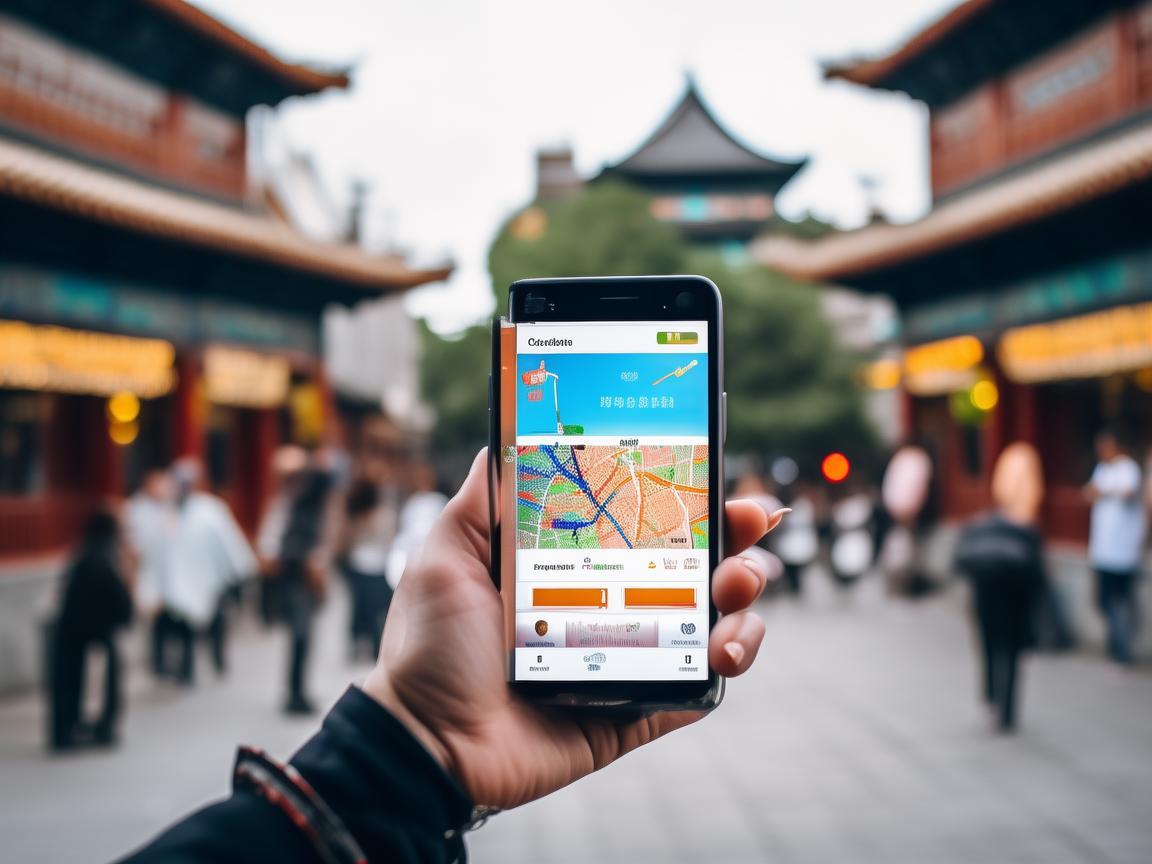
Navigating Xi’an Like a Local: My Go-To Apps for Booking Attractions & Paying Smart
These apps solve three big problems: booking tickets in advance (skip the lines!), paying for everything (no more scrambling for yuan), and finding hidden gems (like that hole-in-the-wall noodle spot only locals use). Ready? Let’s get into the nitty-gritty.
App #1: WeChat (微信, Wēixìn) – Your Swiss Army Knife
If you only download one app, make it WeChat. It’s not just for messaging—it’s a super app that does everything. Here’s how I used it in Xi’an:
Setting Up WeChat pay
First, you need to link your payment method. Open WeChat → Me → Services → Wallet → “+” (Add Bank Card). I added my credit card (Visa/Mastercard work most places, but UnionPay is universal). You’ll also need to verify your identity with your passport—just follow the prompts. Pro tip: Top up your wallet with a little cash (¥100-200) for small purchases; some vendors prefer not to link foreign cards.
Using WeChat Pay Everywhere
From street food to subway rides, WeChat Pay is king. In the Muslim Quarter, I bought roujiamo (Xi’an’s “hamburger”) from a grumpy uncle who just pointed to a QR code. Scanned it with WeChat → Paid → Done. No cash, no hassle. At the Big Wild Goose Pagoda, I bought a bottle of water and a postcard using the same method. Even the bike rentals for the city walls? WeChat Pay.
Mini-Programs: Your Ticket to Skipping Lines
WeChat’s “mini-programs” are like apps within the app—no download needed. For attractions, I used two:
- “Xi’an Tour” (西安旅游): Official city tourism app. Booked my Terracotta Warriors ticket here for ¥120 (vs. ¥150 on-site) and picked a 10 AM slot—walked right past the 200-person line. It also has maps, bus routes, and even a “noise cancellation” feature for quiet temple visits (okay, maybe not, but it feels magical).
- “Dianping” (大众点评): China’s Yelp. Found a highly-rated biangbiang noodle spot near the Bell Tower. Scanned the restaurant’s WeChat QR code, ordered via their mini-program, and paid—no waiting for a waiter. Bonus: Dianping shows real photos from customers, so you know if the “spicy” level is actually “call your mom” spicy.
App #2: Alipay (支付宝, Zhīfùbǎo) – The Cashless Backup
WeChat’s rival, Alipay, is just as essential. Some places (like the Terracotta Warriors ticket office) only accept Alipay, so having both is smart. Here’s what I loved:
The “Transportation” Card
Alipay has a built-in “Transportation Card” (交通卡) feature. Open Alipay → Me → Transportation Card → Add “Xi’an Public Transport Card.” I linked it to my credit card, and it worked like a transit pass: tap to enter the subway, tap to pay for buses. Saved me from buying a physical card (which requires a ¥50 deposit) and fumbling with change.
“Scenic Area” Mini-Programs
For smaller attractions, Alipay’s mini-programs were a lifesaver. When I visited the Shaanxi History Museum (free but requires booking), I used Alipay’s “Museum Booking” mini-program. Selected my time slot, scanned the QR code at the entrance—done. No ID, no paper ticket.
“Ant Forest” – Bonus Fun!
Okay, this isn’t travel-related, but it’s too cool not to mention. Alipay’s “Ant Forest” lets you “earn” virtual trees by walking, taking buses, or paying with Alipay. I “planted” a tree by walking the city walls—then Alipay partnered with real organizations to plant actual trees in deserts. It’s like getting a souvenir and saving the planet.
App #3: Meituan (美团, Méituán) – Eat, Sleep, Explore Like a Local
If WeChat and Alipay are for payments, Meituan is for living. It’s China’s biggest food and delivery app, but it’s also a travel powerhouse. Here’s how I used it:
Booking Hotels & Hostels
I found a boutique hotel near the Muslim Quarter on Meituan—cheaper than Booking.com and with better photos. Filtered by “guest rating” (4.5+), “free breakfast,” and “near subway.” Booked in 2 minutes, paid via Alipay, and got a confirmation code. When I arrived, the front desk just scanned my code—no passport needed (though I had it handy, just in case).
Foodie Heaven: Dianping Integration
Wait, isn’t Dianping separate? Nope—Meituan bought it! So when I searched “best yangrou Paomo (mutton soup)” on Meituan, I saw ratings, photos, and even “combo deals” (soup + bread + tea for ¥35). Ordered takeout to my hotel via Meituan—tracked the delivery driver in real time. Pro tip: Look for “新店优惠” (new store discounts)—I got ¥10 off my first meal at a place with a 1-month waitlist!
Group Tours & Activities
Too lazy to plan? Meituan sells package deals. I booked a “Terracotta Warriors + Huaqing Pool + Ancient City Wall” half-day tour for ¥180 (includes transport and guide). Met the group at the hotel, hopped on a bus, and didn’t have to worry about directions or tickets. The guide spoke English, and the tour ended with a dumpling-making class—best ¥180 I ever spent.
App #4: Didi (滴滴, Dīdī) – Your Personal Driver
Uber doesn’t exist in China, but Didi (China’s Uber) is everywhere. Download it, link your payment method (WeChat Pay or Alipay), and you’re good to go.
How It Works
Open Didi → Enter your destination → Choose “Express” (cheaper, shared ride) or “Premium” (private car). Wait 2-3 minutes, and a car pulls up. Drivers use the app to navigate, so no language barrier. I took Didi from the train station to my hotel—¥25, vs. ¥60 for a taxi.
Pro Tips
- Avoid “Black Cars”: Unofficial taxis overcharge. Stick to the Didi app.
- Save Addresses: Save your hotel, favorite restaurants, and attractions in Didi—saves time when you’re tired.
- Peak Hours: Prices go up during rush hour (7-9 AM, 5-7 PM). Either wait or take the subway (cheaper!).
App #5: Google Maps (Wait, No—Baidu Maps!)
Ah, the great debate: Google Maps doesn’t work well in China. The solution? Baidu Maps (百度地图, Bǎidù Dìtú). It’s not as pretty as Google, but it’s accurate.
Why Baidu?
- Offline Maps: Download Xi’an’s map before you go—no need for data.
- Bus/Subway Routes: Shows real-time arrivals and even which carriage to board for the elevator (game-changer with luggage!).
- “AR Navigation”: Point your camera at a street, and Baidu overlays directions in real life. Saved me from getting lost in the Muslim Quarter’s maze-like alleys.
Bonus: “Find Toilet” Feature
Yes, really. Baidu Maps has a “Find Toilet” button. When you’re desperate after eating 10 roujiamo, it’s a lifesaver.
My Top 3 Tips for Using These Apps
- Get a Local SIM Card: Data is cheap (¥30-50 for 10GB). I bought one at Xi’an Airport—China Mobile or Unicom work best. No data = no apps = no fun.
- Keep Cash Handy (Just in Case): While most places take QR codes, some street vendors or rural attractions might not. I carried ¥200 in small bills for emergencies.
- Ask for Help: Locals are happy to help! When I couldn’t find the “scan” button at a ticket office, a teenager showed me—she even added me on WeChat to help later.
Final Thoughts: Apps Are Your Travel Buddies
By the end of my trip, I wasn’t just a tourist—I was a “semi-local.” I booked tickets while eating breakfast, paid for noodles with a tap, and found hidden temples using Baidu Maps. These apps didn’t just save me time and money—they made Xi’an feel accessible, even to a Mandarin-challenged traveler.
So download them, play around with them, and don’t stress if you mess up (I accidentally paid for a ticket twice—WeChat’s “refund” button saved me). Xi’an is a city of ancient wonders, but these apps are the modern key to unlocking it. Now go—there’s biangbiang noodles waiting. ?
Xi’an Airport Transfer Service
Private English-speaking driver service in Xi’an operated directly by Bruce Zhang. 24/7 airport pickup and hotel transfer for foreign travelers.
Helpful for Your Trip in Xi’an
Xi’an Night Markets: A Tourist’s Guide to Navigating QR Code Payments Like a Local
2026-09-08Renting a Car in Xi’an as a Foreigner: A Practical Guide to Payments and More
2026-09-0612-Hour Xi’an Layover: A Foreigner’s Guide to Payments & Must-See Spots
2026-09-03Xi’an Travel Tips for Foreigners: Navigating Payments & Hotel Drop-offs Like a Pro
2026-09-02Your QR Payment Survival Guide for Xi’an: How to Pay Like a Local
2026-09-01Xi’an Travel Tips: Why Cash Still Matters (and Where to Use It!)
2026-08-26Macau Payment Guide for Foreign Travelers: From Cash to Apps
2026-08-19Xi’an Travel: A Tourist’s Guide to Scenic Area Payments & Tips
2026-08-13Navigating Payments in Xi’an Without a Data Plan: A Tourist’s Practical Guide
2026-08-11Smart Savings in Xi’an: A Traveler’s Guide to Education-Friendly Payment Systems
2026-08-10