

Xi’an on a Budget: A Traveler’s Guide to Smart Spending
I landed in Xi’an with a backpack, a list of must-see spots, and a tight budget. Having heard tales of this city’s ancient wonders and mouthwatering street food, I was excited—but also a little nervous. Could I really explore Xi’an without emptying my wallet? As it turns out, yes—but only because I learned a few key things about how to spend (and not spend) money here. Let me break it down for you, from transport to tacos (okay, roujiamo), with a special focus on something that trips up many travelers: paying in Xi’an.
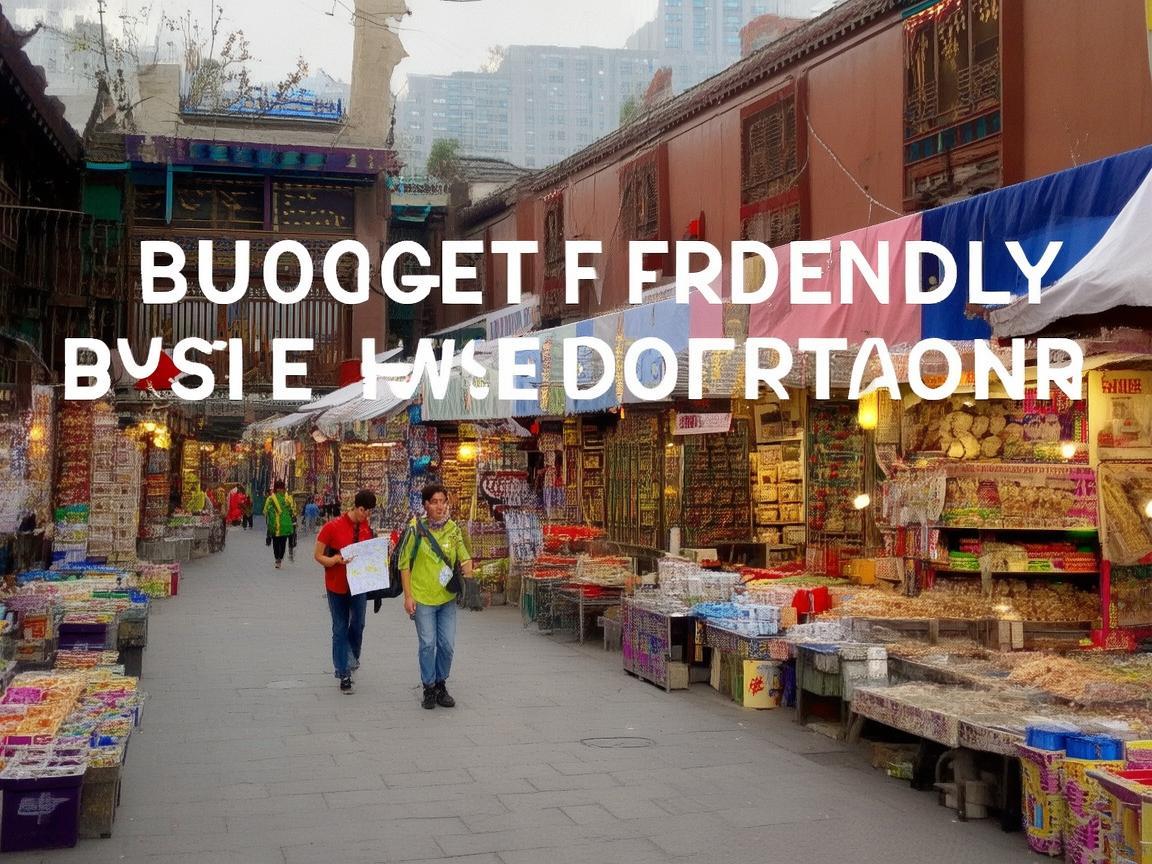
Xi’an on a Budget: A Traveler’s Guide to Smart Spending
First Things First: Why “Xi’an Pay” Matters
Before I dive in, let’s talk about the keyword: Xi’an pay. No, it’s not a special app or local currency—it’s just how locals refer to the smart, budget-friendly ways to handle money in a city where cash isn’t king, but tourists often get caught off guard. See, Xi’an is a mix of old-world charm and modern convenience: street vendors might only take cash, while big attractions, malls, and most restaurants scan WeChat or Alipay. If you’re not prepared, you’ll find yourself scrambling to exchange bills or begging a stranger to pay you back. So, let’s start with the basics of paying smart.
Transport: Getting Around Without Breaking the Bank
Xi’an’s transport system is a traveler’s dream—if you know how to use it. I made the mistake of hailing a cab from the airport to my hostel downtown (a 45-minute ride) and paid ¥150. Ouch. Later, I learned the airport shuttle bus (Route 5) costs just ¥25 and drops you at the train station, where you can hop on the metro (subway) for ¥2-5 to anywhere in the city.
Metro is your best friend here. It’s clean, efficient, and covers all major spots: the Terracotta Army (Line 9), City Wall (Line 2), Muslim Quarter (Line 2, “Bell Tower” stop), and Big Wild Goose Pagoda (Line 4). A single ride costs ¥2-6 depending on distance, and you can buy a transport card at any station (deposit ¥20, add as much as you want). Pro tip: Download the “Metro Xi’an” app to plan routes—signs are in English, but it’s easy to get turned around in busy stations.
Buses are even cheaper (¥1-2) but a bit trickier if you don’t speak Chinese. I used them only for short hops, like from the metro to a hostel tucked in a hutong. For taxis, use Didi (China’s Uber)—it’s cheaper than hailing cabs and lets you see the price upfront. Just make sure your hostel host helps you set up an account (you need a Chinese phone number, but they can often link it to your foreign number).
Where to Stay: Comfort Without the Price Tag
Xi’an has hostels and budget hotels that feel like five-star resorts—without the five-star prices. I stayed at a hostel near the South Gate ( Yongningmen) for ¥80/night (~$11). It had a clean dorm bed, free breakfast (congee, eggs, steamed buns), and a rooftop terrace with views of the City Wall. Bonus: The staff gave me a map and circled all the cheap eats nearby.
If hostels aren’t your thing, look for “homestays” in areas like Muslim Quarter or near the Bell Tower. These are often traditional courtyard homes converted into guesthouses, with prices ranging from ¥150-250/night (~$21-35). Avoid staying right next to major attractions—like inside the Muslim Quarter—unless you want to pay double for a room with a view of a souvenir shop. Instead, stay a 10-minute walk away: you’ll save money and get a more local vibe.
Eating Like a Local: Save on Food Without Missing Out
Xi’an is a foodie paradise, but you don’t need to eat at fancy restaurants to taste the best. My first night, I wandered into a Muslim Quarter restaurant and ordered a “yangrou Paomo” (lamb stew with bread) for ¥60. It was good, but later I found the same dish in a tiny alley shop for ¥25—and it tasted even better (more broth, less grease).
Rule #1: Skip the main tourist strips for breakfast/lunch. The Muslim Quarter’s main street (Beiyuanmen) is packed with overpriced snacks: a roujiamo (Chinese hamburger) there costs ¥15, but two streets over, in the “Muslim Snack Street” side alleys, you can get three for ¥10. Same with biangbiangmian (wide noodles): at a tourist spot, ¥25; at a local’s-only noodle shop near the Drum Tower, ¥12.
My go-to cheap eats spots:
- Sajingui Alley (洒金桥): A 10-minute walk from the Muslim Quarter, this alley is lined with tiny stalls selling paomo, roujiamo, and liangpi (cold skin noodles). I ate here every day—my total daily food budget was ¥30-40 (~$4-6).
- Dayuanmen Market (大皮院): Another hidden gem. Try the niurou yangroupaomo (beef and lamb stew) at Lao Sun Ji (老孙家)—it’s ¥20 and comes with unlimited bread.
- Street breakfast: Grab youtiao (fried dough sticks) and doujiang (soy milk) from a street vendor for ¥3-5.
Paying for food: Most restaurants take WeChat pay or Alipay—just scan the QR code at the table. For street vendors, carry small cash (¥1, ¥5, ¥10 bills). I once tried to pay for a youtiao with Alipay, and the vendor just laughed and pointed to a “cash only” sign. Lesson learned: always have some ¥50 in cash for tiny stalls.
Attractions: Smart Ticketing Tips
Xi’an’s big-ticket attractions (Terracotta Army, City Wall, Big Wild Goose Pagoda) can add up, but there are ways to save.
Terracotta Army: The must-see, but it’s ¥150 for a ticket (peak season). Skip the “package tours” from your hostel—they charge ¥300+ and rush you through in 2 hours. Instead, take Metro Line 9 to “Huaqing Palace” station, then walk 15 minutes (or take a ¥3 bus) to the Terracotta Army. Buy tickets at the official gate—no need to book online unless it’s a holiday.
City Wall: ¥54 to walk, ¥18 to bike. I chose biking—you get to ride all the way around (14 km!) with stops for photos. Rent a bike at the South Gate entrance (the main one) and return it within 2 hours for ¥18; longer is ¥2/hour. Pro tip: Go at sunset—the views of the city are magical, and it’s less crowded.
Big Wild Goose Pagoda: ¥50, but if you’re a student (bring your ID!), it’s ¥25. Skip the “music fountain show” at night—tourists pay ¥30 to挤 (jǐ, squeeze) into a crowd, but you can see it for free from the street outside the North Gate.
Free attractions: The Muslim Quarter is free to wander (just don’t buy anything there!), and the Shaanxi History Museum is free (but you need to book a ticket online 3 days in advance—use their official WeChat account).
Paying for tickets: Most attractions take WeChat/Alipay, but some (like the Terracotta Army) have ticket windows where you can pay with cash. I always downloaded the tickets to my phone—no need to print anything.
Shopping for Souvenirs: Avoid Tourist Traps
Xi’an is famous for souvenirs: Terracotta Army figurines, paper-cuttings, and biangbiangmian aprons. But don’t buy them at the main tourist spots—they’re overpriced and mass-produced.
Where to shop:
- Muslim Quarter’s side alleys: For small souvenirs like keychains or fridge magnets, go to the stalls off Beiyuanmen. I bought a paper-cutting of a horse for ¥20—same thing at the main street was ¥50.
- Shuyuanmen Gate (书院门): A street full of calligraphy and art shops. Bargain here! I saw a scroll painting priced at ¥200; I offered ¥80, and the seller accepted.
- Xi’an Muslim Bazaar (回民风情街): For bigger items like Terracotta Army replicas, go to the “Antique Market” section (not the main snack street). A small replica (10 cm tall) costs ¥30-50—don’t pay more than ¥60.
Paying for souvenirs: Big shops take WeChat/Alipay, but smaller vendors prefer cash. Always bargain—start at 50% of the asking price and meet in the middle. The worst they can say is no!
The Big One: Paying in Xi’an – Mobile vs. Cash
Okay, let’s get back to “Xi’an pay.” Here’s the deal: 90% of your expenses will be mobile payments (WeChat Pay or Alipay), but 10% will still need cash. Here’s how to set it up:
WeChat Pay: If you have a foreign phone number, you can link your international credit card (Visa/Mastercard) to WeChat. Go to “Me” → “Wallet” → “Payment Methods” → “Add Bank Card.” It might take a few minutes to verify, but once it’s done, you can scan QR codes just like locals.
Alipay: Similar to WeChat, but I found WeChat more widely accepted at small shops. Alipay is better for bigger purchases (like train tickets or hotel bookings).
Cash: Always carry ¥500-1000 in small bills (¥10, ¥20, ¥50). Why? Street vendors, small snack stalls, and some taxi drivers don’t take mobile payments. I once had to buy a bottle of water from a street vendor and had to trade a granola bar for it because I had no cash—don’t be me.
ATMs: They’re everywhere—in malls, 7-Elevens, and metro stations. ICBC (Industrial and Commercial Bank of China) ATMs are the most reliable for foreign cards. Withdraw ¥500 at a time to avoid fees (most banks charge ¥3-5 per transaction).
Final Tips: Save Money, Smile More
- Learn a little Chinese: “Duōshao qián?” (How much?) and “Tài guì le!” (Too expensive!) will save you from overpaying. Locals appreciate the effort!
- Avoid peak season: If you go during Chinese holidays (like National Day in October), prices double and crowds triple. April-May or September-October are perfect.
- Stay hydrated: Water bottles cost ¥1-2 at convenience stores (7-Eleven, FamilyMart). Don’t buy them at attractions—they charge ¥5.
Xi’an is a city where history comes alive, and you don’t need a fortune to experience it. By planning your transport, food, and tickets smartly, and mastering “Xi’an pay,” you can explore the Terracotta Army, bike the City Wall, and eat your weight in roujiamo—all without breaking the bank. So pack your bags, download WeChat, and get ready to fall in love with this city. Trust me, your wallet (and your taste buds) will thank you.
Xi’an Airport Transfer Service
Private English-speaking driver service in Xi’an operated directly by Bruce Zhang. 24/7 airport pickup and hotel transfer for foreign travelers.
Helpful for Your Trip in Xi’an
Xi’an Night Markets: A Tourist’s Guide to Navigating QR Code Payments Like a Local
2026-09-08Renting a Car in Xi’an as a Foreigner: A Practical Guide to Payments and More
2026-09-0612-Hour Xi’an Layover: A Foreigner’s Guide to Payments & Must-See Spots
2026-09-03Xi’an Travel Tips for Foreigners: Navigating Payments & Hotel Drop-offs Like a Pro
2026-09-02Your QR Payment Survival Guide for Xi’an: How to Pay Like a Local
2026-09-01Xi’an Travel Tips: Why Cash Still Matters (and Where to Use It!)
2026-08-26Macau Payment Guide for Foreign Travelers: From Cash to Apps
2026-08-19Xi’an Travel: A Tourist’s Guide to Scenic Area Payments & Tips
2026-08-13Navigating Payments in Xi’an Without a Data Plan: A Tourist’s Practical Guide
2026-08-11Smart Savings in Xi’an: A Traveler’s Guide to Education-Friendly Payment Systems
2026-08-10