

China SIM vs. Pocket WiFi: A Traveler’s Guide for Xi’an
Landing in Xi’an’s airport, I was excited but a little lost—literally. My phone had no signal, and I couldn’t use Alipay to grab a taxi or WeChat to message my host. “How do I get connected here?” I thought, fumbling with my phone. That’s when I realized: choosing the right internet option in China isn’t just about convenience—it’s about survival. Over two weeks in Xi’an, I tried both a local SIM card and a pocket WiFi, and let me tell you: the choice matters. If you’re planning a trip to this ancient city, here’s what I learned to help you pick the best fit for your adventure.
First, Why Internet Matters in Xi’an
Before diving into SIM vs. pocket WiFi, let’s talk about why you’ll need reliable data. Xi’an is a city of contrasts—you’ll navigate winding alleys in the Muslim Quarter, navigate vast sites like the Terracotta Army, and use apps to order roujiamo (Chinese hamburgers) or pay for bus rides. Without internet:
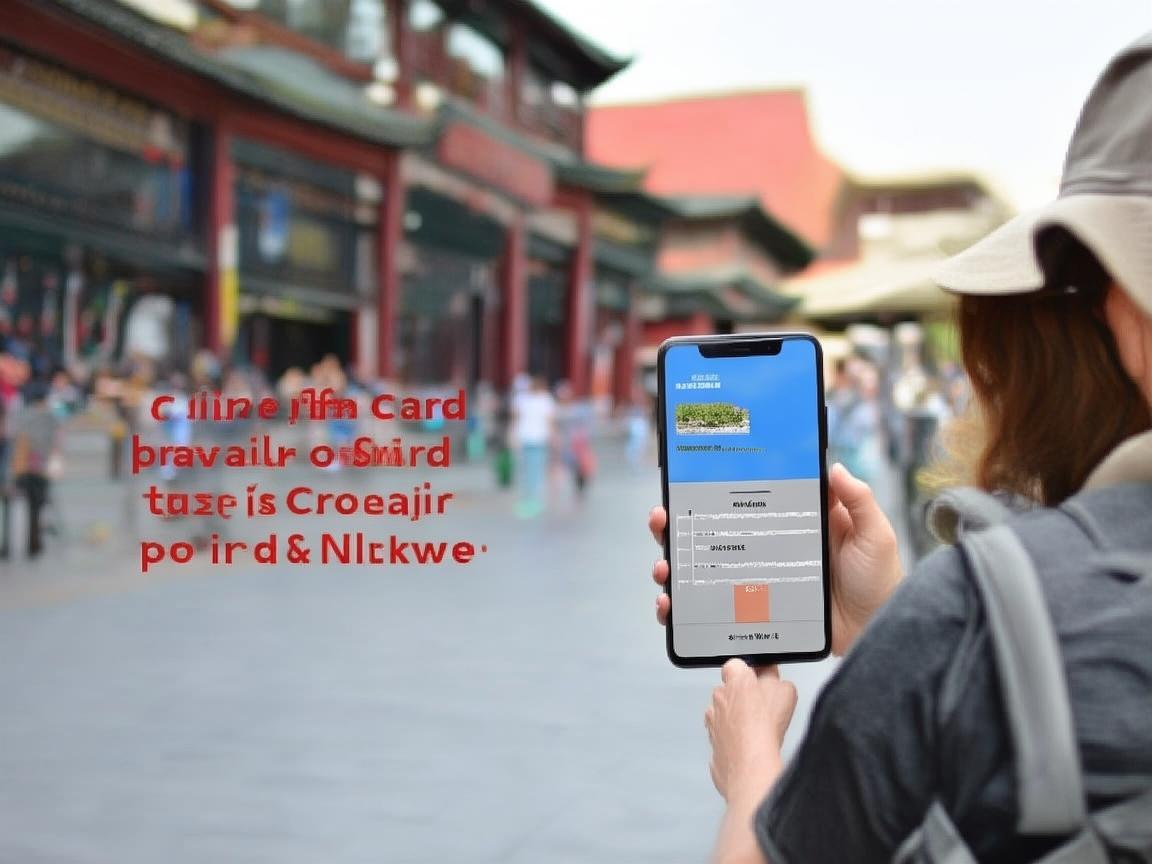
China SIM vs. Pocket WiFi: A Traveler’s Guide for Xi’an
- Navigation is a nightmare: Google Maps doesn’t work here; you’ll rely on Baidu Maps or Gaode, which need constant data.
- Cash is king (but not really): While Alipay and WeChat Pay dominate, even small vendors use QR codes. No internet = no food.
- Communication is tough: Your hotel, tour guide, or travel buddies might only reach you via WeChat.
Bottom line: You need stable, affordable, and easy-to-use internet. Now, let’s compare the two most popular options.
Option 1: China SIM Card—For the Independent Traveler
A local SIM card is a small chip that replaces your home carrier’s SIM in your phone. It’s mine and mine alone—no sharing, no extra devices. I got mine at Xi’an Xianyang International Airport (XIY) right after landing, and it took 10 minutes. Here’s the breakdown:
How to Get One
- At the airport: Before immigration, look for “China Mobile” or “China Unicom” counters (they’re in the arrival hall). Bring your passport—they’ll register your SIM on the spot (required by Chinese law).
- In the city: If you miss the airport, head to any official carrier store (e.g., China Mobile on Dong Dajie). Staff speak basic English, and the process is just as quick.
- Online: Pre-order on sites like “China Travel SIM” or “AirSIM,” but you’ll still need to activate it with your passport in China.
Cost & Packages
I chose a China Mobile “Tourist SIM” for 100 RMB (~$14) with:
- 30GB of high-speed data (enough for maps, social media, and video calls).
- Unlimited calls/texts within China.
- Valid for 30 days (you can extend it if you stay longer).
Other carriers (China Unicom, China Telecom) offer similar deals—just compare prices at the airport. Pro tip: Avoid “daily” packages; 30GB/month is cheaper per gig.
Pros
✅ Convenience: One device, one number. No juggling gadgets.
✅ Battery saver: Doesn’t drain your phone’s battery (unlike a pocket WiFi).
✅ Reliable: China Mobile/Unicom have great coverage in Xi—even in remote spots like the Terracotta Army or Huaqing Pool.
✅ No sharing: Perfect if you’re traveling solo and want to keep your data private.
Cons
❌ You need to swap SIMs: If you need your home number for emergencies, this is a hassle (some phones have dual SIM slots, but not all).
❌ Limited to one device: Can’t share with friends or family back home.
❌ Real-name registration: Strict—you must use your passport. No buying for others.
Option 2: Pocket WiFi—For Groups or Heavy Users
A pocket WiFi is a small, portable device that acts as a mini hotspot. You turn it on, connect your phone/laptop/tablet to its WiFi, and you’re online. I rented one for a day trip to Huashan Mountain (near Xi’an) to share with my travel buddy. Here’s what I learned:
How to Rent One
- At the airport: Companies like “WiFi China” or “Rent4G” have counters in the arrival hall. You’ll leave a deposit (500–1000 RMB, ~$70–$140) and pay daily/weekly fees.
- In the city: Hotels often rent pocket WiFis—ask at reception. Cheaper, but selection is limited.
- Online: Pre-order on “TaoBao” or “Alipay” (use Google Translate if needed). They’ll deliver to your hotel and include a prepaid return envelope.
Cost & Packages
I rented a 4G pocket WiFi for 3 days at 60 RMB/day (~$8/day), total 180 RMB (~$25). It included:
- Unlimited data (throttled after 10GB/day, but that was enough for us).
- Battery life: 8–10 hours (enough for a full day out).
- Up to 5 devices connected (shared with my friend and sister).
Pros
✅ Shareable: Great for groups—connect all your phones, tablets, or even a laptop.
✅ No SIM swap: Keep your home SIM active for calls/texts (WhatsApp/Telegram work with data).
✅ Easy pickup/drop-off: Airport rentals let you skip the hassle of carrier stores.
✅ Good for short trips: If you’re only in Xi’an for 2–3 days, renting is cheaper than a SIM.
Cons
❌ Battery drain: The pocket WiFi itself dies fast—I had to charge it twice a day (carry a power bank!).
❌ Signal depends on location: In rural areas (like parts of Huashan), the signal got spotty. My phone kept disconnecting.
❌ Bulky: It’s an extra gadget to carry, charge, and not lose. I almost left it in a taxi once!
❌ Limited data caps: “Unlimited” often means throttled after 10–15GB/day. If you stream Netflix all day, it’ll lag.
Xi’an-Specific Tips: Which Works Better?
Xi’an is a mix of dense city and rural outskirts, so your choice depends on how you travel. Here’s my take:
Pick a SIM Card If…
- You’re solo or with 1–2 people: No need to share—just pop it in your phone and go.
- You’re exploring beyond the city: The Terracotta Army, Big Wild Goose Pagoda, and Huashan Mountain have great coverage with China Mobile/Unicom. I never lost signal at these spots.
- You value battery life: The SIM doesn’t use extra power, so your phone lasts all day.
- You’re staying longer than 4 days: A 30GB SIM is cheaper than renting a pocket WiFi for weeks.
Pick a Pocket WiFi If…
- You’re in a group of 3+: Sharing 5 devices beats buying multiple SIMs. My friend’s family of 4 rented one and saved 50% vs. four SIMs.
- You need to work remotely: If you’re a digital nomad, the pocket WiFi’s laptop connection is a game-changer.
- You’re only in Xi’an for 2–3 days: Airport rentals are “grab-and-go,” no SIM registration needed.
- You’re nervous about swapping SIMs: Keep your home number for emergencies (e.g., lost passport—call your embassy!).
My Final Recommendation
I used both, and for my 10-day trip, the SIM card won. Here’s why:
- Cost: 100 RMB for 30GB vs. 180 RMB for 3 days of pocket WiFi.
- Convenience: No charging, no extra devices, no “Did I leave the WiFi in the restaurant?” panic.
- Reliability: In the Muslim Quarter’s crowded alleys, the SIM never dropped; the pocket WiFi I tried earlier lagged when 20 people were connected to it.
That said, if I’d traveled with my family (4 people), I’d have rented a pocket WiFi—sharing would’ve been worth the extra cost.
Bonus: What NOT to Do
- Don’t rely on hotel WiFi: It’s slow, often requires a Chinese phone number to log in, and cuts out in the middle of a map load.
- Don’t use a VPN with a new SIM: Activate your SIM first, then set up your VPN (some carriers block unregistered VPN traffic).
- Don’t forget to top up: If you run out of data, buy a “recharge card” at convenience stores (7-Eleven, FamilyMart) or use the carrier’s app.
The Verdict
In Xi’an, a local SIM card is the best choice for most travelers—it’s affordable, reliable, and hassle-free. But if you’re in a group or need to share, a pocket WiFi works too. Either way, don’t skip getting connected—this city is too amazing to get lost in (literally).
Now, go enjoy those biangbiang noodles—and don’t forget to post a pic! 🍜📱
Xi’an Airport Transfer Service
Private English-speaking driver service in Xi’an operated directly by Bruce Zhang. 24/7 airport pickup and hotel transfer for foreign travelers.
Helpful for Your Trip in Xi’an
China SIM vs. Pocket WiFi: A Traveler’s Guide for Xi’an
2026-07-29Xi’an Travel Tips: Activating Your SIM Card at China’s SIM Activation Centers
2026-07-29Unlocking Xi’an: How a China SIM Card Made My Trip Efficient and Hassle-Free
2026-07-29Xi’an Travel Tips: A Tourist’s Guide to China SIM Cards (and Why They’re a Lifesaver)
2026-07-29Traveling Xi’an Like a Local: Why a China SIM Card Is Your Ultimate Travel Lifeline
2026-07-29Your Ultimate Guide to China SIM Connectivity for a Seamless Xi’an Trip
2026-07-28Your Ultimate China SIM App Guide: Navigating Xi’an Like a Local
2026-07-27China SIM: My Lifeline for Seamless Travel in Xi’an
2026-07-27Xi’an Travel Guide: Staying Connected with China SIM for a Hassle-Free Trip
2026-07-27Navigating Xi’an: A Traveler’s SIM Card Troubleshooting Guide
2026-07-27