

Unlocking Xi’an: How a China SIM Card Made My Trip Efficient and Hassle-Free
Landing in Xi’an, I was buzzing with excitement—this ancient capital, home to the Terracotta Army and the starting point of the Silk Road, had been on my bucket list for years. But as I stepped out of Xi’an Xianyang International Airport, the first wave of hit: “How do I navigate this city? How do I pay for things? Will I be able to communicate?” I’d traveled to other countries before and knew that staying connected could make or break a trip. So, before I even left home, I’d read up on China SIM cards and the travel efficient system here, and let me tell you: it was a game-changer. If you’re planning a trip to Xi’an (or anywhere in China), this is what you need to know to make your journey smooth, stress-free, and efficient.
Why a China SIM Card? The Basics
First, let’s talk about why a local SIM card is non-negotiable in China. Unlike in many Western countries, China doesn’t have widespread free Wi-Fi in public spaces, and even hotel Wi-Fi can be slow or require a Chinese phone number to verify. Plus, apps like WeChat, Alipay, and Didi (China’s Uber) are essential for daily life—they’re how you pay for meals, take taxis, buy tickets, and even order breakfast. Without a local SIM, you’re stuck: no maps, no payments, no way to call a hotel if you get lost.
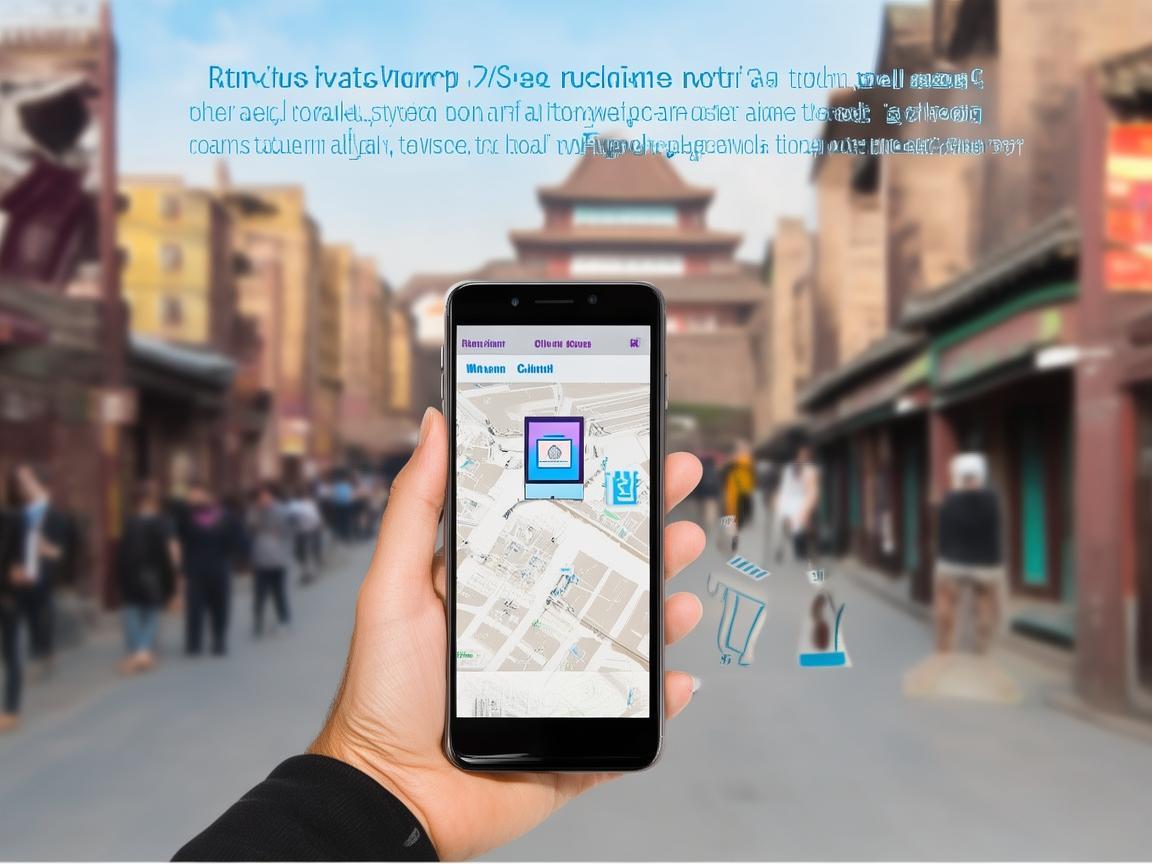
Unlocking Xi’an: How a China SIM Card Made My Trip Efficient and Hassle-Free
I’d heard about “Great Firewall” issues too—some international apps (like Google Maps, WhatsApp, or Instagram) don’t work well or at all without a Chinese SIM. A local data plan solves that: it lets you use Chinese apps (which are way more reliable here) and access the internet without constant VPN hassles.
Choosing the Right SIM: China’s Big Three
China has three major telecom carriers: China Mobile, China Unicom, and China Telecom. For travelers, China Mobile is usually the top pick—it has the best coverage, especially in rural or touristy areas outside big cities (like the Terracotta Army site, which is a bit outside Xi’an’s center). China Unicom is a close second, with good urban coverage, and China Telecom is solid but less common in tourist spots.
I went with China Mobile, and here’s why: their “Tourist Packages” are designed for short stays, with affordable data, calls, and even some international perks. You can buy these SIMs at the airport, major telecom stores, or even convenience stores like 7-Eleven—super convenient.
Getting Your SIM Card: Step-by-Step
I landed at Xi’an Xianyang International Airport (XIY) and headed straight to the China Mobile counter in the arrival hall (it’s clearly signposted, near the baggage claim). The process was surprisingly quick:
- Bring Your Passport: You’ll need to show your passport and fill out a simple registration form (they give you an English version). China requires real-name registration for all SIM cards, so no buying one anonymously.
- Choose a Package: I picked the “Tourist Card” for 30 RMB (about $4 USD), which included:
- 10GB of high-speed data (valid for 7 days)
- 100 minutes of domestic calls
- Unlimited texts within China
- Access to WeChat, Alipay, Baidu Maps (China’s Google Maps), and all other local apps.
There are cheaper options (like 20 RMB for 5GB) or pricier ones (50 RMB for 20GB, 15-day validity)—pick based on how long you’re staying.
- Activate It: The staff helped me insert the SIM into my phone (I had an unlocked iPhone, which is key—if your phone is locked, get it unlocked before you travel), and within 5 minutes, I had signal!
Total time: 10 minutes. No stress, no waiting.
How the SIM Card Made My Xi’an Trip Efficient
Over the next 5 days, that little SIM card was my lifeline. Here’s exactly how it made everything easier:
Navigation: Never Get Lost (Even in Ancient Alleys)
Xi’an is a mix of ancient history and modern city, with winding streets, hutongs (narrow alleys), and huge tourist sites. I’d downloaded Baidu Maps before I left (it works way better than Google Maps here—shows real-time traffic, bus routes, and even walking paths through alleyways).
One day, I wanted to find a small, family-run noodle place in the Muslim Quarter (a bustling area with mosques, street food, and souvenir shops). I’d saved the address in Chinese (“回民街鼓楼北口附近的一家面馆”) on Baidu Maps, and when I got there, the app guided me through a maze of tiny alleys—even my hotel host later said, “Most tourists get lost there, but you found it in 10 minutes!”
For longer trips, like to the Terracotta Army (about 40 km from downtown), I used Baidu Maps to check the subway + bus combo. The app told me exactly which bus to take from the train station, how long to wait, and even alerted me when my stop was coming up. No fumbling with paper maps or asking strangers for directions (though most young people speak some English, older locals might not).
Payments: Ditch Cash, Live Like a Local
China is cashless. Seriously—even street vendors selling steamed buns use WeChat Pay or Alipay. Before my trip, I’d linked my international credit card to Alipay (you can do this in the app by verifying your passport), but having a local SIM made it seamless:
- Food: At a restaurant near the Big Wild Goose Pagoda, I scanned a QR code with Alipay to pay for dinner. No waiting for the bill, no fumbling with cash.
- Transport: I used Didi (China’s Uber) to get around—just open the app, enter your destination, and pay automatically via the app. Once, I took a late-night Didi back to my hotel, and the driver didn’t speak English—but the app let me share my location with him, so no communication issues.
- Tickets: I bought tickets for the Terracotta Army and the City Wall online via Trip.com (a Chinese travel app) using Alipay. When I arrived, I just scanned the QR code on my phone—no ticket lines, which saved at least 30 minutes each time.
Without the SIM, I’d have had to exchange money for RMB (which is a hassle at airports, with high fees) or rely on my credit card (which many small places don’t accept). This alone saved me hours of stress.
Communication: Help When You Need It
One afternoon, I got separated from my friend at the Shaanxi History Museum (it’s huge—three floors of artifacts, from Han dynasty pottery to Tang dynasty gold). I didn’t have her Chinese phone number, but I had WeChat (which I’d downloaded before the trip). WeChat uses data, so I sent her a voice message, and she replied within a minute. We met up at the exit in 5 minutes.
I also used the SIM to call my hotel once when I took the wrong bus. The front desk spoke English, and they told me exactly which stop to get off at. Without a local number, I’d have had to use a hotel phone (which costs extra) or rely on slow Wi-Fi to message them.
Food & Fun: Discover Hidden Gems
Xi’an is a foodie paradise—biangbiang noodles (wide, chewy noodles), roujiamo (Chinese hamburgers), and tanghulu (candied hawthorns) are must-tries. But the best spots aren’t always on TripAdvisor.
With my SIM, I used Xiaohongshu (China’s Instagram, called “Little Red Book”) to find local recommendations. One post by a Xi’an native pointed me to a tiny noodle shop near the South Gate, where the owner hand-pulled noodles and added a secret chili oil recipe. The shop had no English sign, but I showed the Xiaohongshu post to the owner, and she smiled and pointed to a table. It was the best meal I had in Xi’an—cost 15 RMB (about $2 USD).
I also used Meituan (China’s Yelp) to check restaurant reviews and even pre-order takeout when I was too tired to go out. The SIM made it easy to switch between apps, compare prices, and book everything in seconds.
Bonus Tips for Using Your SIM Card
- Keep Your Passport Handy: If you need to top up your data or change your plan, you’ll need to show your passport again (most telecom stores require re-registration for top-ups).
- Download Apps Before You Leave: Some apps (like Baidu Maps, WeChat, Alipay) are easier to download with a VPN (if you’re outside China). Do this before you land to save time.
- Get a Power Bank: You’ll be using your phone nonstop for maps, payments, and photos. A power bank (10,000 mAh or more) is a lifesaver—I bought one for 50 RMB at a convenience store.
- Check Coverage: If you’re planning a day trip to Mount Huashan (a nearby mountain), China Mobile has better coverage there than other carriers. Ask the SIM staff about coverage for your specific itinerary.
Final Thoughts: A SIM Card = Freedom
By the end of my trip, I realized that the China SIM card wasn’t just a “tech tool”—it was the key to experiencing Xi’an like a local. I didn’t waste time worrying about Wi-Fi, I didn’t stress about not having cash, and I never felt lost or disconnected. Instead, I could focus on what mattered: staring in awe at the Terracotta Army, sipping tea in a Muslim Quarter tea house, and biking along the ancient City Wall at sunset.
China’s travel system—powered by reliable SIM cards, seamless mobile payments, and apps that work here—is designed for efficiency. If you’re coming to Xi’an, don’t overthink it: get a China SIM card (China Mobile is your best bet), download the key apps, and get ready to explore. Trust me, it’ll make your trip 100x better.
Now, go eat that biangbiang noodle—and don’t forget to take a photo (you’ll want to post it on Xiaohongshu, of course).
Xi’an Airport Transfer Service
Private English-speaking driver service in Xi’an operated directly by Bruce Zhang. 24/7 airport pickup and hotel transfer for foreign travelers.
Helpful for Your Trip in Xi’an
China SIM vs. Pocket WiFi: A Traveler’s Guide for Xi’an
2026-07-29Xi’an Travel Tips: Activating Your SIM Card at China’s SIM Activation Centers
2026-07-29Unlocking Xi’an: How a China SIM Card Made My Trip Efficient and Hassle-Free
2026-07-29Xi’an Travel Tips: A Tourist’s Guide to China SIM Cards (and Why They’re a Lifesaver)
2026-07-29Traveling Xi’an Like a Local: Why a China SIM Card Is Your Ultimate Travel Lifeline
2026-07-29Your Ultimate Guide to China SIM Connectivity for a Seamless Xi’an Trip
2026-07-28Your Ultimate China SIM App Guide: Navigating Xi’an Like a Local
2026-07-27China SIM: My Lifeline for Seamless Travel in Xi’an
2026-07-27Xi’an Travel Guide: Staying Connected with China SIM for a Hassle-Free Trip
2026-07-27Navigating Xi’an: A Traveler’s SIM Card Troubleshooting Guide
2026-07-27