

Staying Connected in Xi’an: A Traveler’s Guide to China SIM Options
Landing in Xi’an, I was buzzing with excitement—ready to wander through the Muslim Quarter’s spice-scented alleys, marvel at the Terracotta Warriors, and get lost in the ancient city walls. But within minutes of collecting my luggage, my phone’s screen lit up with “No Service.” Panic hit: How do I navigate? Order food? Call my hotel? I’d forgotten one crucial detail: China’s strict mobile network policies for foreign visitors. If you’re heading to Xi’an, let me save you the hassle—here’s exactly how to stay connected, based on my trial-and-error experience.
Why You Need a Local SIM Card (and Why Your Home SIM Won’t Cut It)
Before I get into the options, let’s talk basics. Most foreign mobile carriers (like AT&T, Vodafone, or T-Mobile) don’t work in China. Even if you have an international plan, it’s often outrageously expensive—think $20 per gigabyte—and coverage is spotty, especially outside major cities. Xi’an, while modern, has pockets (like the Terracotta Warriors site or the old city’s backstreets) where strong local signal is key.
A local SIM card solves this. It’s cheap, reliable, and unlocks everything from mobile payments (Alipay/WeChat Pay) to ride-hailing (Didi) and real-time translation apps. Trust me, trying to bargain for lamb skewers in the Muslim Quarter without Google Translate (or a local SIM to power it) is way more stressful than it needs to be.
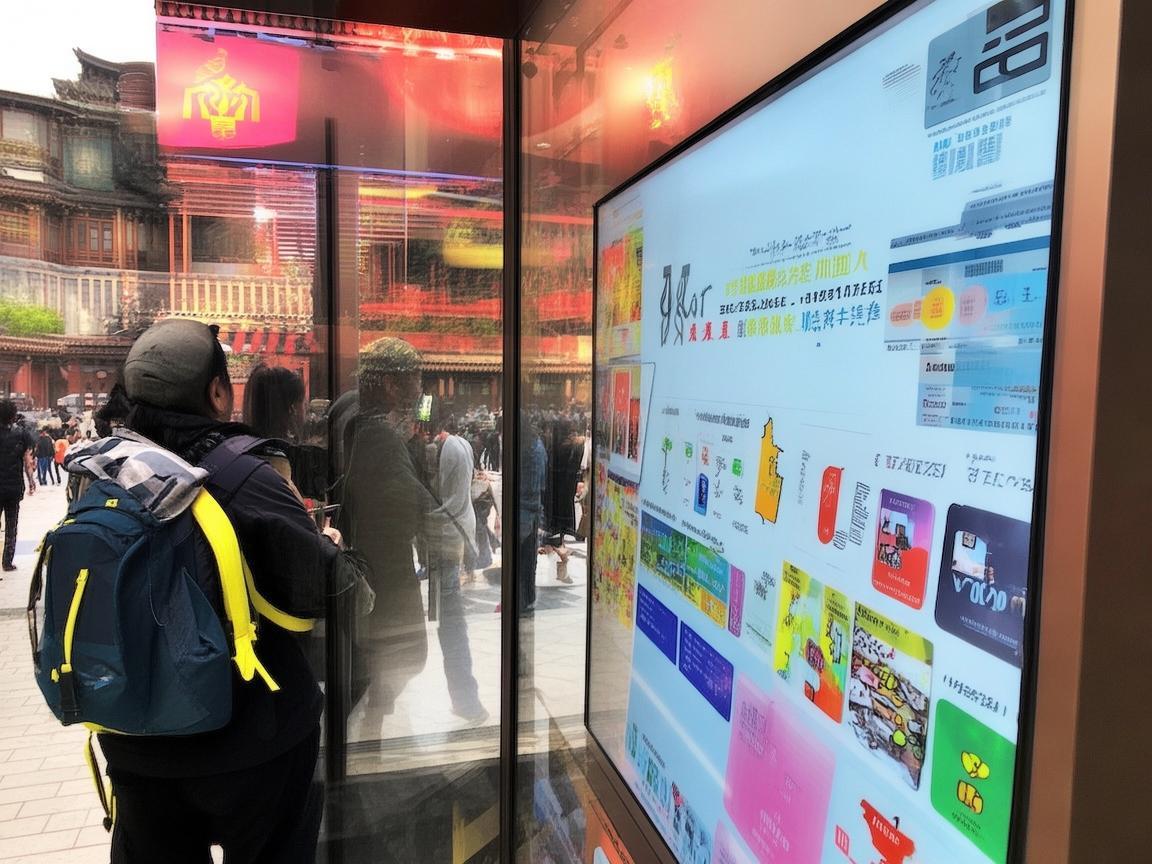
Staying Connected in Xi’an: A Traveler’s Guide to China SIM Options
Your SIM Card Options: Pros, Cons, and Which to Pick
China has three major telecom carriers: China Mobile, China Unicom, and China Telecom. For travelers, each has perks, but some are better suited for Xi’an specifically. Here’s a breakdown:
China Mobile: The “Coverage King”
Best for: Rural areas, remote attractions, and anyone who hates “no signal” anxiety.
Why? China Mobile has the largest network in China, including in Xi’an’s outskirts—like the Huaqing Pool (hot springs near the Terracotta Warriors) or the Famen Temple. I tested it there: while my friend’s Unicom SIM lagged, mine streamed 4K video (okay, fine—I was binge-watching travel vlogs between sights).
Downsides: Customer service for English speakers can be hit-or-miss, and some “unlimited” data plans throttle speeds after 10GB (still enough for maps, social media, and though).
Price: Tourist plans start around ¥50-70 ($7-10) for 7 days, with 10-20GB of high-speed data.
China Unicom: The “English-Friendly” Choice
Best for: First-time visitors who need help with setup or prefer English support.
Why? Unicom’s stores in Xi’an (especially near the Bell Tower or Big Wild Goose Pagoda) often have staff who speak basic English. When I activated my SIM, the agent even helped me download Alipay and set up a “travel mode” for data. Their 4G coverage is solid in central Xi’an—perfect for navigating the Muslim Quarter or downtown.
Downsides: Coverage in rural areas (like the Mount Huashan day trip) is weaker than Mobile’s. If you’re sticking to Xi’an city, though, it’s flawless.
Price: Similar to Mobile—¥60-80 ($8-12) for 10GB of data over 7-10 days.
China Telecom: The “Budget-Friendly” Dark Horse
Best for: Light users (think: just maps and messaging) or longer stays.
Why? Telecom often has cheaper “unlimited” data plans with lower daily caps (e.g., 1GB/day for 30 days at ¥100/$14). If you’re in Xi’an for a week and don’t need to stream Netflix, this is a steal. Their 5G coverage is improving fast in Xi’an’s tech hubs (like the High-tech Zone).
Downsides: Smaller network than Mobile/Unicom—avoid if you’re planning day trips to smaller villages.
Bonus: eSIM—For the Tech-Savvy Traveler
If your phone supports eSIM (iPhone 12+, Google Pixel 7+, or newer Samsung models), this is the easiest option. No hunting for stores—just buy an eSIM plan online before you leave. I used Airalo, which offers China eSIMs starting at ¥25 ($3.5) for 5GB. Activation took 2 minutes, and I was connected as soon as I landed.
Caveat: Not all Chinese carriers support eSIM yet, but Airalo partners with local providers (like China Unicom) for seamless coverage.
Where to Buy a SIM Card in Xi’an: 3 Easy Ways
You don’t need to be a tech whiz to get a SIM. Here are the most hassle-free methods, ranked by convenience:
Xi’an Xianyang International Airport (XIY): The “Grab-and-Go” Option
Location: Arrivals Hall, near the currency exchange booths. There are dedicated “China Mobile/Unicom/Telecom” counters with English signs.
Why it’s great: No jet lag, no stress—grab your SIM right after baggage claim. I did this on my first trip, and the agent had me activated in 10 minutes (passport required for registration—more on that below).
Price: Slightly pricier than city stores (¥10-20 more), but worth it for the convenience.
Telecom Stores in Downtown Xi’an: The “Customizable” Choice
Locations: Head to major shopping areas:
- China Mobile: Near the Bell Tower (Dong Dajie Street)
- China Unicom: Next to the Big Wild Goose Pagoda (Ci’en Road)
- China Telecom: In the Century Ginwa Mall (High-tech Zone)
Why it’s great: Staff can explain plans in detail (e.g., “This includes free access to WeChat’s ‘Moments’”). I bought a Unicom SIM here on my second trip and got a discount for bundling a 10GB data + 100 calling minutes plan.
Tip: Go in the morning (before 10 AM) to avoid lunchtime crowds.
Convenience Stores: The “Last-Minute” Lifesaver
Locations: 7-Eleven, FamilyMart, or local chains like “Kedi” (found near the Muslim Quarter or train stations).
Why it’s great: Perfect if you’re already in the city and run out of data. They sell pre-paid SIM cards (no registration needed initially—but you’ll need to register online within 3 days, or the SIM will deactivate). I bought a ¥30 Mobile SIM at a 7-Eleven near my hostel and activated it via WeChat in 5 minutes.
Crucial Step: Registering Your SIM (It’s Mandatory!)
Here’s the non-negotiable rule: All SIM cards in China must be registered to your passport. No exceptions—even if you buy a pre-paid one at 7-Eleven. Here’s how to do it:
- At the Airport/Store: The staff will scan your passport and link it to the SIM. This is the easiest way—no extra steps.
- Online (if you buy a pre-paid SIM): Download the carrier’s app (e.g., “China Mobile” or “Unicom 5G”) and follow the prompts to upload your passport info. You’ll need a Chinese phone number to verify, but the store clerk can help with this (or use a friend’s number).
- Warning: If you don’t register within 3 days, the SIM will be blocked. I learned this the hard way—spent an hour at a Unicom store reactivating my forgotten SIM.
What to Do After You’re Connected: Apps to Download
Once you have data, these apps will make your Xi’an trip 100x easier:
- Navigation: Baidu Maps (Google Maps doesn’t work well here). It’s accurate for buses, subways, and even bike-sharing.
- Payments: Alipay and WeChat Pay. Most places in Xi’an—from street food stalls to the subway—only accept mobile payments. Link your international card or add cash to your “wallet” (ask a friend to help set this up—super easy).
- Food Delivery: Meituan (like Uber Eats). Perfect for late-night dumplings or avoiding restaurant lines.
- Translation: iFlyTranslate or WeChat’s built-in translator. Great for bargaining at the Muslim Quarter or talking to taxi drivers.
My “Xi’an SIM” Routine: A Day in the Life
To give you a real example, here’s how my SIM card made a day in Xi’an seamless:
- Morning: Used Baidu Maps to navigate from my hostel to the Terracotta Warriors (took the tourist bus—no getting lost!).
- Lunch: Scanned a QR code at a food stall near the warriors to pay for roujiamo (Chinese hamburgers) via Alipay.
- Afternoon: Streamed a live tour of the City Walls on Douyin (Chinese TikTok) while waiting for the bus.
- Evening: Ordered takeout on Meituan and used WeChat Pay to tip the delivery guy.
- Night: Called my hotel to confirm late check-in using the SIM’s included 100 minutes.
Final Tips: Avoiding Common Pitfalls
- Don’t rely on Wi-Fi: Many hotels and cafes require a phone number to connect to Wi-Fi, and public Wi-Fi is slow (and sometimes unsafe).
- Bring a power bank: Streaming maps and videos drains battery fast—especially in the summer heat.
- Keep your passport handy: You’ll need it to register the SIM, and some hotels/attractions may scan it for entry.
The Verdict: Which SIM Should You Pick?
If you’re a first-time visitor or plan to explore Xi’an’s outskirts, China Mobile is your safest bet for coverage. If you want English support and stick to the city, China Unicom is ideal. For budget travelers or light users, China Telecom or an eSIM (via Airalo) works great.
Whatever you choose, getting a local SIM card is the first step to a stress-free Xi’an trip. It’s cheap, easy, and lets you focus on what matters—eating biangbiang noodles, watching the sunset from the City Walls, and soaking in 3,000 years of history. Now go explore—just don’t forget to stay connected!
Xi’an Airport Transfer Service
Private English-speaking driver service in Xi’an operated directly by Bruce Zhang. 24/7 airport pickup and hotel transfer for foreign travelers.
Helpful for Your Trip in Xi’an
Xi’an Travel Tips: Activating Your SIM Card at China’s SIM Activation Centers
2026-07-29Unlocking Xi’an: How a China SIM Card Made My Trip Efficient and Hassle-Free
2026-07-29Xi’an Travel Tips: A Tourist’s Guide to China SIM Cards (and Why They’re a Lifesaver)
2026-07-29Traveling Xi’an Like a Local: Why a China SIM Card Is Your Ultimate Travel Lifeline
2026-07-29Your Ultimate Guide to China SIM Connectivity for a Seamless Xi’an Trip
2026-07-28Your Ultimate China SIM App Guide: Navigating Xi’an Like a Local
2026-07-27China SIM: My Lifeline for Seamless Travel in Xi’an
2026-07-27Xi’an Travel Guide: Staying Connected with China SIM for a Hassle-Free Trip
2026-07-27Navigating Xi’an: A Traveler’s SIM Card Troubleshooting Guide
2026-07-27Xi’an Travel Tips: Staying Connected with China SIM & Offline Maps
2026-07-27