

Xi’an Travel Survival Guide: Why a Chinese SIM Card is Your Best Friend
Okay, let’s be real—before my first trip to Xi’an, I was so excited to see the Terracotta Warriors, wander through the Muslim Quarter, and stuff my face with roujiamo (Chinese hamburgers). But I’ll admit, I was also a little nervous. I’d heard stories about China’s internet restrictions, and the thought of being lost without Google Maps or unable to pay for a taxi gave me anxiety. Then a friend who’d traveled in China before dropped a piece of advice: “Get a Chinese SIM card. It’s not just helpful—it’s essential.” And wow, was she right. If you’re planning a trip to Xi’an (or anywhere in China, really), let me break down why a Chinese SIM card with access to the local network is a total game-changer, and exactly how to get it so you can travel stress-free.
First, Why Do You Even Need a Chinese SIM Card?
Let’s start with the basics: China’s internet is heavily firewalled. That means apps like Google Maps, WhatsApp, Instagram, and even Google Translate don’t work on foreign SIM cards (or Wi-Fi, for that matter). I learned this the hard way during my layover in Beijing—my foreign SIM had no data, I couldn’t message my travel buddy, and I had no idea how to find my next gate. Panic mode: activated.
But once I landed in Xi’an and popped in a local SIM card, everything changed. Suddenly, I could:
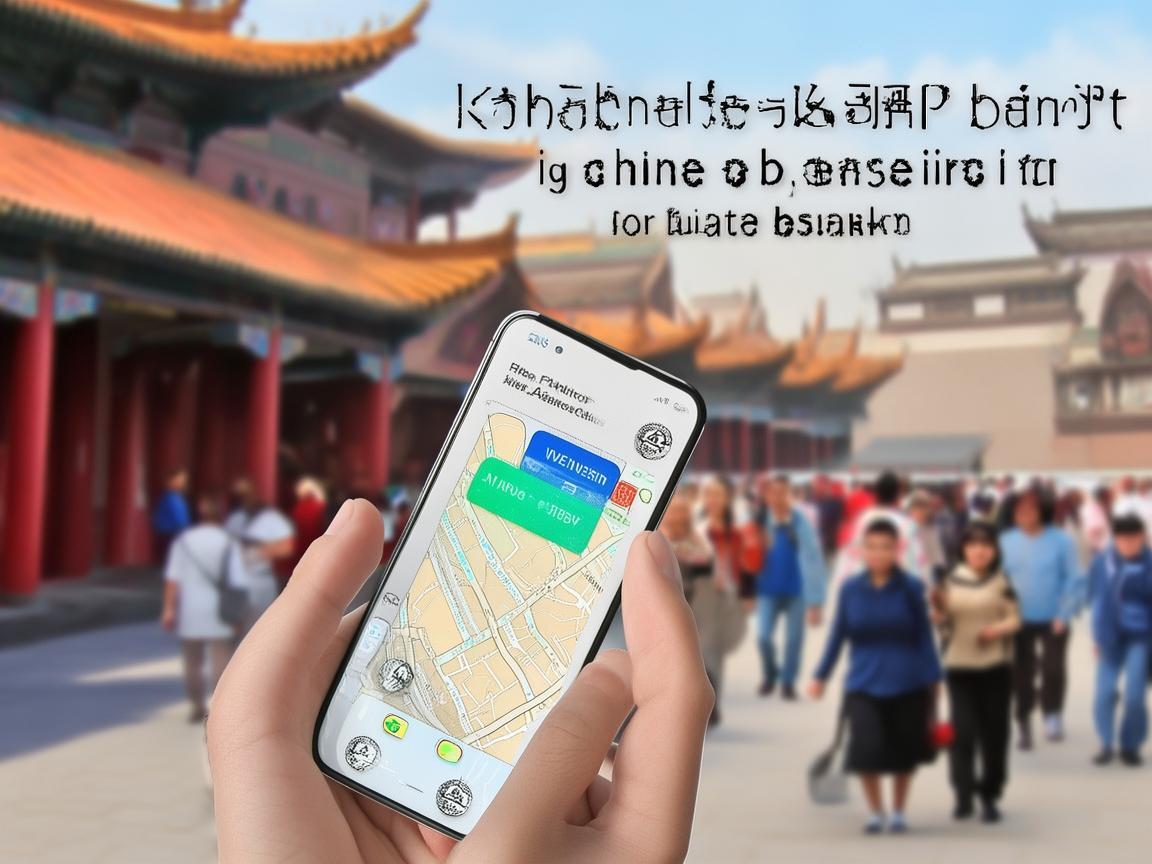
Xi’an Travel Survival Guide: Why a Chinese SIM Card is Your Best Friend
- Navigate like a local: Use apps like Baidu Maps or Gaode Maps (China’s Google Maps) to find the Terracotta Warriors, the Muslim Quarter, or even that hole-in-the-wall noodle shop my hostel owner recommended.
- Pay for everything: China is basically cashless. Whether you’re buying a bowl of yangrou paomo (bread soaked in lamb soup) at the Muslim Quarter or a ticket to the Big Wild Goose Pagoda, everyone uses WeChat Pay or Alipay—both require a Chinese phone number to set up.
- Stay connected: Use WeChat (China’s WhatsApp) to message friends, call taxis via DiDi (China’s Uber), or even order food to your hostel. No more relying on sketchy public Wi-Fi or expensive international roaming.
- Book tickets and skip lines: Many popular Xi’an attractions, like the Shaanxi History Museum, require advance booking online. A local SIM card lets you book tickets on your phone in minutes instead of waiting in line for hours.
How to Get a Chinese SIM Card: Your Step-by-Step Guide
Okay, so you’re convinced you need one. But how do you actually get it? Don’t worry—it’s easier than you think. Here are the three best ways, based on my experience:
Option 1: At the Airport (Easiest for First-Timers)
This is what I did, and it was so convenient. When you land at Xi’an Xianyang International Airport (XIY), just follow the signs for “China Mobile,” “China Unicom,” or “China Telecom”—these are the three major carriers, and all have counters in both Terminal 2 and Terminal 3.
I went to China Mobile because it has the best coverage in rural areas (I planned a day trip to the Terracotta Warriors, which is a bit outside the city). Here’s what I needed:
- Passport: They’ll scan it for registration (required by Chinese law).
- A little cash: SIM cards cost around ¥30-¥50 (USD $4-7), and data plans start at ¥50-¥100 (USD $7-14) for 10-20GB per month—super affordable!
I chose a “tourist package” that included 15GB of high-speed data, unlimited calls, and a week of validity. The whole process took less than 10 minutes—they activated the SIM card on the spot, and I was connected before I even got to the taxi stand.
Pro tip: If you’re staying in Xi’an for more than a week, ask about monthly plans—they’re cheaper per GB. Also, China Mobile and China Unicom have better English support than China Telecom, so if you’re not confident with Chinese, stick with the first two.
Option 2: At a Local Carrier Store (More Options, Cheaper)
If you land in Xi’an and want to compare plans, head to a local carrier store. There are tons of them around the city—just look for the red (China Mobile), blue (China Unicom), or yellow (China Telecom) signs. I popped into a China Unicom store near the Bell Tower because I heard their 5G coverage is great in the city center.
The staff spoke basic English and showed me a bunch of options: I ended up getting a “dual-card” plan (two SIM slots in one phone—perfect if you want to keep your foreign SIM for emergencies) with 20GB of data for ¥80 (USD $11) per month. They even helped me set up WeChat Pay, which was a lifesaver.
Pro tip: Bring your passport! They’ll need to register your SIM card, and you can’t buy one without it. Also, bargaining isn’t common for SIM cards, but you can ask for discounts if you stay longer than a month.
Option 3: Online (For the Tech-Savvy Traveler)
If you want to skip the airport hassle, you can order a Chinese SIM card online before you leave home. Websites like “China SIM Card” or “Lemobile” let you buy tourist SIMs and have them delivered to your hotel in Xi’an. I tried this for my second trip, and it worked like a charm—they delivered it to my hostel the day before I arrived, so I just popped it in my phone and was ready to go.
Pros: No waiting at the airport, you can choose your plan in advance, and some sites include free shipping.
Cons: You need to know your hotel address in Chinese (for delivery), and there’s a small risk of delays (so order at least a week before your trip).
What to Look for in a SIM Card Plan
Not all SIM cards are created equal. Here’s what to focus on when choosing a plan for Xi’an:
- Data: Xi’an has great 4G/5G coverage, but if you plan on using a lot of video or navigation, get at least 10GB per month. 15GB is safe for most travelers.
- Validity: Tourist plans usually last 7, 15, or 30 days. If you’re staying longer, go for a monthly plan—way cheaper.
- Coverage: China Mobile has the best coverage outside the city (great for day trips to the Terracotta Warriors or Mount Hua), while China Unicom has better 5G in the city center. China Telecom is good too, but their English support is weaker.
- Extras: Some plans include free calls to other Chinese numbers, or access to apps like WeChat and Douyin (TikTok). Ask the staff what’s included!
How to Use Your Chinese SIM Card: Practical Tips for Xi’an
Okay, you’ve got your SIM card—now what? Here’s how to use it like a local in Xi’an:
Download These Apps Before You Leave
Once you have your Chinese SIM, you’ll need to download these apps (they won’t work on foreign networks):
- Gaode Maps: For navigation. It’s way more accurate than Google Maps in China—you can even use it to find subway stations or book taxis.
- WeChat: For messaging, calling, and paying. Set up WeChat Pay as soon as you get your SIM—you’ll need to link a Chinese bank card (or get help from a friend), but most hostels can help with this.
- Alipay: Another payment app, great for buying tickets or shopping.
- DiDi: For hailing taxis (cheaper than regular cabs, and you can pay via the app).
- Dianping: Like Yelp, but for finding restaurants in Xi’an. It has reviews and even lets you book tables!
Use WeChat Pay Everywhere
In Xi’an, everyone uses WeChat Pay. Whether you’re buying a ¥5 (USD $0.70) jianbing (Chinese crepe) from a street vendor or a ¥100 (USD $14) meal at a restaurant, just open WeChat, scan the QR code, and pay. It’s faster than cash and way more convenient than credit cards (most small places don’t take them).
Pro tip: If you don’t have a Chinese bank card, you can use “WeChat Pay Pass” to link your foreign credit card—but it only works for some merchants. Better to ask a hostel worker to help you set up WeChat Pay with a local card (some hostels offer this service).
Navigate Like a Pro
Xi’an’s subway system is amazing, but it can be confusing if you don’t speak Chinese. Gaode Maps has an English “subway map” feature that shows you which line to take, where to transfer, and how much it costs (usually ¥2-¥5 per ride). For buses, Gaode Maps also has real-time schedules—super helpful if you’re exploring areas outside the city center, like the Muslim Quarter or the City Wall.
Book Tickets in Advance
Xi’an’s top attractions get crowded. The Shaanxi History Museum, for example, only allows 6,000 visitors per day, and you need to book online 3-7 days in advance. With your Chinese SIM card, you can book tickets on the spot using apps like “Trip.com” or “Meituan” (China’s version of Groupon). I booked my Terracotta Warriors tickets at 2 AM the day before my visit—no waiting in line for 2 hours!
Common Pitfalls to Avoid
Even with a SIM card, there are a few things to watch out for:
- Don’t rely on foreign Wi-Fi: Some hotels or cafes offer “free Wi-Fi,” but most block foreign apps. Your Chinese SIM card is your only reliable source of data.
- Keep your passport handy: Police can ask to see your ID at any time, especially if you’re taking photos in sensitive areas (like near government buildings). Keep a photocopy of your passport in your bag, and always carry the original.
- Beware of “fake” carrier stores: Stick to official China Mobile, China Unicom, or China Telecom stores—there are some fake shops that overcharge for bad plans. Look for the official logo and ask to see their business license if you’re unsure.
- Don’t forget to top up: If your data runs out, you can top up at any convenience store (like 7-Eleven or FamilyMart) or via the carrier’s app. Just show the staff your phone number, and they’ll help you add more data.
Final Thoughts: A SIM Card Makes Xi’an a Breeze
By the end of my trip to Xi’an, I was so glad I listened to my friend and got a Chinese SIM card. It turned a potentially stressful trip into a total breeze—I could navigate, pay for everything, and stay connected without any hassle. Whether you’re exploring the ancient Terracotta Warriors, bargaining for spices in the Muslim Quarter, or biking on the City Wall at sunset, a Chinese SIM card is the one thing that will make your trip smoother, cheaper, and more fun.
So, before you head to Xi’an, add “buy Chinese SIM card” to your to-do list. Trust me—you’ll thank me later. Now go enjoy those roujiamo!
Xi’an Airport Transfer Service
Private English-speaking driver service in Xi’an operated directly by Bruce Zhang. 24/7 airport pickup and hotel transfer for foreign travelers.
Helpful for Your Trip in Xi’an
China SIM vs. Pocket WiFi: A Traveler’s Guide for Xi’an
2026-07-29Xi’an Travel Tips: Activating Your SIM Card at China’s SIM Activation Centers
2026-07-29Unlocking Xi’an: How a China SIM Card Made My Trip Efficient and Hassle-Free
2026-07-29Xi’an Travel Tips: A Tourist’s Guide to China SIM Cards (and Why They’re a Lifesaver)
2026-07-29Traveling Xi’an Like a Local: Why a China SIM Card Is Your Ultimate Travel Lifeline
2026-07-29Your Ultimate Guide to China SIM Connectivity for a Seamless Xi’an Trip
2026-07-28Your Ultimate China SIM App Guide: Navigating Xi’an Like a Local
2026-07-27China SIM: My Lifeline for Seamless Travel in Xi’an
2026-07-27Xi’an Travel Guide: Staying Connected with China SIM for a Hassle-Free Trip
2026-07-27Navigating Xi’an: A Traveler’s SIM Card Troubleshooting Guide
2026-07-27