

Xi’an Travel Tips: Why China Telecom Coverage Saved My Trip
Landing in Xi’an at 6 a.m., bleary-eyed but buzzing with excitement, I thought I’d planned everything: train tickets to the Terracotta Army, a hotel near the Muslim Quarter, even a list of must-eat roujiamo (Chinese burgers). But within an hour of arriving, my confidence shattered. I stood outside the airport’s Terminal 2, staring at a map on my phone, when the dreaded “No Service” sign popped up. My carrier back home? Useless here. I was lost, hungry, and—worst of all—disconnected. That’s when I learned the hard way: in a city as vast and ancient as Xi’an, reliable telecom coverage isn’t a luxury—it’s a lifeline. By the end of my trip, though, I’d found my savior: China Telecom. Here’s why it matters, and how it turned my stress into smooth sailing.
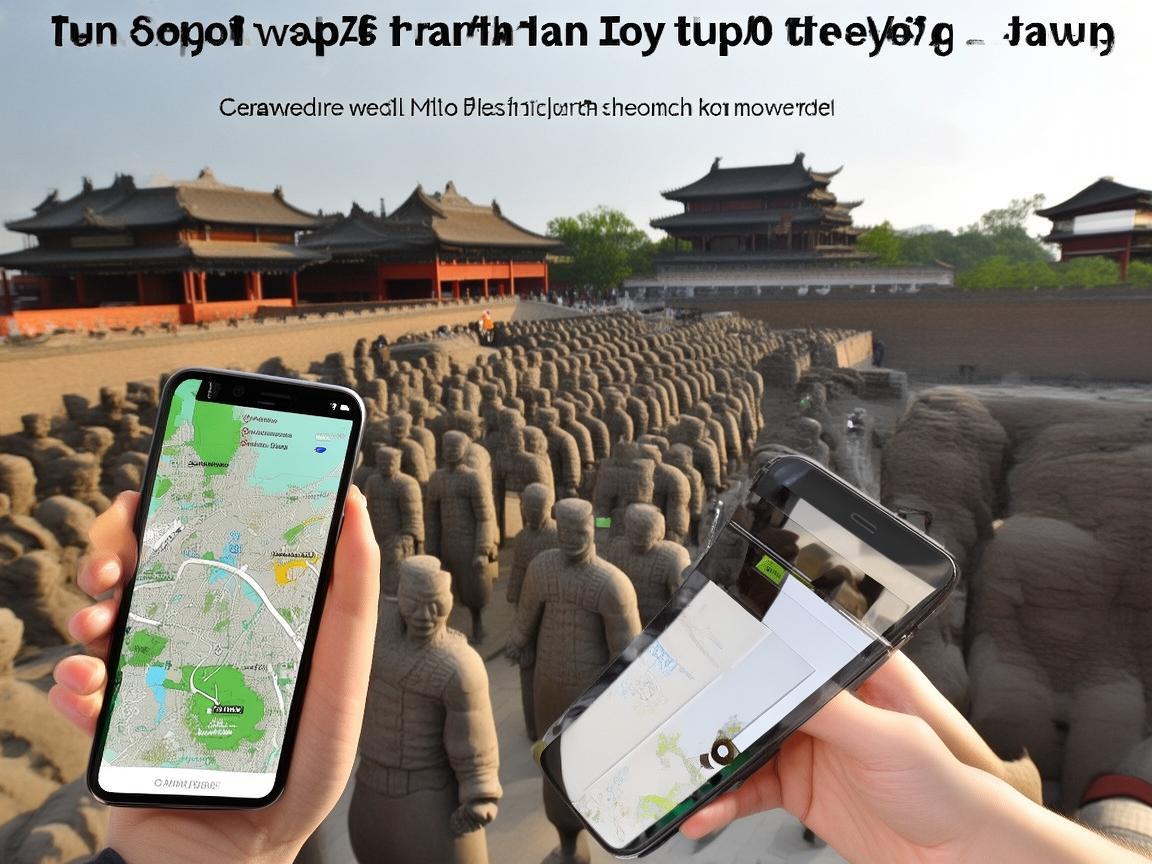
Xi’an Travel Tips: Why China Telecom Coverage Saved My Trip
Why Telecom Coverage Matters More Than You Think in Xi’an
Before diving into China Telecom, let’s talk why this is even a topic. Xi’an isn’t a tiny village; it’s a sprawling metropolis with over 12 million people, plus millions of tourists yearly. You’ll bounce from crowded tourist spots (like the Terracotta Army or the Muslim Quarter) to quieter corners (like the City Wall’s southern gate or the Little Wild Goose Pagoda), and even venture out to suburban sites like Huaqing Palace.
Without reliable coverage, you’ll face:
- Navigation nightmares: Google Maps works somewhat with a VPN, but local apps like Baidu or Gaode (which are far more accurate in China) need strong data. I once saw a traveler arguing with a taxi driver over directions because his map kept buffering.
- Payment chaos: While Alipay and WeChat Pay dominate, you need internet to use them. At a Muslim Quarter snack stall, I watched a tourist panic because he couldn’t scan a QR code—his card was useless, and he had no cash.
- Emergency fails: Whether it’s a lost passport, a sudden illness, or missing your last train, you need to call for help. My friend got separated from her group at the Terracotta Army; without service, she had to wander for 30 minutes before finding a Wi-Fi spot to message us.
- Wasted time: Downloading offline maps helps, but they’re clunky. Real-time updates (like train delays or event closures) require data. I almost missed a 9 p.m. curfew at the City Wall because I couldn’t check the closing time on the spot.
My China Telecom Experience: Coverage That Actually Works
After my airport panic, I stumbled into a China Telecom counter in Terminal 2. The staff spoke basic English, handed me a SIM card in 10 minutes, and—boom—service. For ¥30 (about $4), I got 10GB of 4G data valid for 7 days, plus 100 minutes of domestic calls. Small price for peace of mind.
Over the next week, I tested China Telecom across Xi’an’s top spots, and here’s what I found:
Tourist Hotspots: No More Buffering
- Terracotta Army: This place is huge, with pits spread out over acres. I walked from Pit 1 to Pit 3 to the museum, and my phone stayed connected the whole time. I even live-streamed parts of the tour for my family—no lag, no dropped calls. A fellow tourist I met, using a different carrier, kept losing signal near the exit; she had to borrow my phone to call her ride.
- Muslim Quarter: At night, this area is a maze of food stalls and crowds. I used Gaode Maps to navigate from the Great Mosque to the night market, ordered lamb skewers via WeChat Pay, and even called my hotel when I took a wrong turn into a side alley. Coverage was solid, even in the narrowest alleys.
- City Wall: Renting a bike and circling the 14km wall is a must. I rode from the South Gate to the East Gate, stopping for photos and checking historical markers online. China Telecom’s 4G was fast enough to load Wikipedia articles on the Tang Dynasty history right there—way better than lugging around a guidebook.
“Off-the-Beaten-Path” Spots: Surprisingly Reliable
Xi’an isn’t just about big attractions. I spent a day exploring the Shaanxi History Museum (amazing, but crowded) and the nearby Small Wild Goose Pagoda. In the museum’s quieter halls, my signal stayed strong—perfect for scanning QR codes on exhibit labels for English translations. Later, I wandered into a local teahouse near the pagoda, tucked away on a side street. Even there, I could message my travel buddy to meet me.
I also took a day trip to Huaqing Palace, a royal bath complex 30km outside Xi’an. I was worried about coverage in the suburbs, but China Telecom’s network held up. I used Maps to find the bus stop, checked the opening hours online, and even booked a ticket via their app—all without Wi-Fi.
Transport: No More “Where’s My Ride?” Stress
Xi’an’s subway is efficient, but the app (Metro Xi’an) needs data to buy tickets or check routes. With China Telecom, I bought a metro pass in 2 minutes at the North Station, avoiding a long queue. For taxis and Didi (China’s Uber), I could request a ride and track it in real time. One night, after missing the last subway, I used Didi to get back to my hotel—no issues with the app loading.
Emergencies: When Coverage Saves the Day
The scariest moment of my trip? I dropped my phone in a toilet at a restaurant near the Bell Tower. Panicked, I ran to a nearby China Telecom shop (they’re everywhere in Xi’an—on every street, in malls, even at tourist sites). The staff helped me call my hotel (using their landline) to ask for directions to a phone repair shop. Later, while waiting for my phone to be fixed, I bought a cheap China Telecom “hotspot device” for ¥50—20GB of data for 3 days. It was a lifesaver; I could still use my laptop to check emails and maps.
How to Get Set Up with China Telecom: A Step-by-Step Guide
Don’t wait until you’re lost like I did. Here’s how to get China Telecom coverage before or upon arrival:
Option 1: At the Airport (Easiest for Tourists)
- Where: China Telecom counters are in both Terminal 2 and Terminal 3 (look for the red logo). They’re open 24/7.
- What to bring: Your passport (they’ll make a copy).
- Plans: For short trips, grab a “Tourist SIM.” The ¥30/10GB plan is perfect for 1–2 weeks. If you’re staying longer, a ¥99/30GB monthly plan (with 300 minutes of calls) is great.
- Payment: Cash or Alipay/WeChat Pay (yes, even foreigners can use these if you link a foreign card—just ask the staff to help).
Option 2: In the City (More Choices)
China Telecom shops are everywhere—near the Bell Tower, Muslim Quarter, and even in big malls like SKP. If you need a more customized plan (like extra data for video calls), visit a city branch. They speak more English than airport staff and can help set up apps like WeChat or Alipay if you’re new to them.
Option 3: Online (If You’re Prepared)
You can order a SIM card on China Telecom’s English website (yes, it exists!) and have it delivered to your hotel. But I’d only recommend this if you’re staying at a fancy hotel that accepts foreign deliveries—otherwise, it’s risky.
Bonus Tips for Smooth Telecom Use in Xi’an
- Download Offline Maps: Even with China Telecom, it’s smart to save areas offline on Gaode or Baidu Maps. Just in case you enter a basement or a dead zone (rare, but possible).
- Get a VPN: If you need to access Google, Instagram, or WhatsApp, download a VPN before you leave home. China Telecom’s network doesn’t block these, but China’s Great Firewall does—so a VPN is non-negotiable for staying connected internationally.
- Carry a Power Bank: Using GPS and data drains battery fast. I carried a 10,000mAh power bank every day—no dead phones, no missed photos.
- Learn Basic Phrases: While China Telecom staff speak some English, knowing “Nǐ hǎo, wǒ xūyào yī zhāng xìnkǎ” (Hello, I need a SIM card) or “Duōshao qián?” (How much?) helps. A translation app works too!
Final Thoughts: Don’t Let Bad Coverage Ruin Your Trip
Xi’an is a city of wonders—ancient walls, delicious food, and history around every corner. But none of that matters if you’re stressed about being lost, unable to pay, or can’t call for help. China Telecom’s coverage isn’t just “good”—it’s reliable, fast, and everywhere. From the crowded Terracotta Army to a quiet teahouse, I never had to worry about signal.
So, if you’re planning a trip to Xi’an, skip the stress. Grab a China Telecom SIM card the moment you land. It’s a small investment that’ll make your trip smoother, more fun, and way less stressful. Trust me—after that first morning of panic, I learned this lesson the hard way. But once I had coverage, I could finally relax and enjoy the magic of Xi’an.
Now go—eat that roujiamo, ride the City Wall, and get lost in the Muslim Quarter. With China Telecom, you’ll never be truly alone.
Xi’an Airport Transfer Service
Private English-speaking driver service in Xi’an operated directly by Bruce Zhang. 24/7 airport pickup and hotel transfer for foreign travelers.
Helpful for Your Trip in Xi’an
China SIM vs. Pocket WiFi: A Traveler’s Guide for Xi’an
2026-07-29Xi’an Travel Tips: Activating Your SIM Card at China’s SIM Activation Centers
2026-07-29Unlocking Xi’an: How a China SIM Card Made My Trip Efficient and Hassle-Free
2026-07-29Xi’an Travel Tips: A Tourist’s Guide to China SIM Cards (and Why They’re a Lifesaver)
2026-07-29Traveling Xi’an Like a Local: Why a China SIM Card Is Your Ultimate Travel Lifeline
2026-07-29Your Ultimate Guide to China SIM Connectivity for a Seamless Xi’an Trip
2026-07-28Your Ultimate China SIM App Guide: Navigating Xi’an Like a Local
2026-07-27China SIM: My Lifeline for Seamless Travel in Xi’an
2026-07-27Xi’an Travel Guide: Staying Connected with China SIM for a Hassle-Free Trip
2026-07-27Navigating Xi’an: A Traveler’s SIM Card Troubleshooting Guide
2026-07-27